Category: Features

  • Why British Shoppers Are Abandoning Primark for These Homegrown Ethical Clothing Brands

    Why British Shoppers Are Abandoning Primark for These Homegrown Ethical Clothing Brands

    Something has shifted. I’ve been watching the UK fashion conversation closely for a while now, and the change in mood is impossible to ignore. Shoppers who once filled their baskets at Primark on a Saturday afternoon are asking different questions. Not just “is this nice?” but “who made this, and should I feel okay about buying it?” It’s a meaningful shift, and the ethical clothing brands UK 2026 scene has genuinely risen to meet the moment.

    This isn’t about guilt-tripping anyone. Plenty of us have bought a five-pound T-shirt and not thought twice. But there’s a growing group of British consumers, backed up by figures from the British Retail Consortium, who are choosing to spend less often and spend better. The disposable fashion cycle is losing its grip, and a clutch of British-founded brands are ready to fill that space.
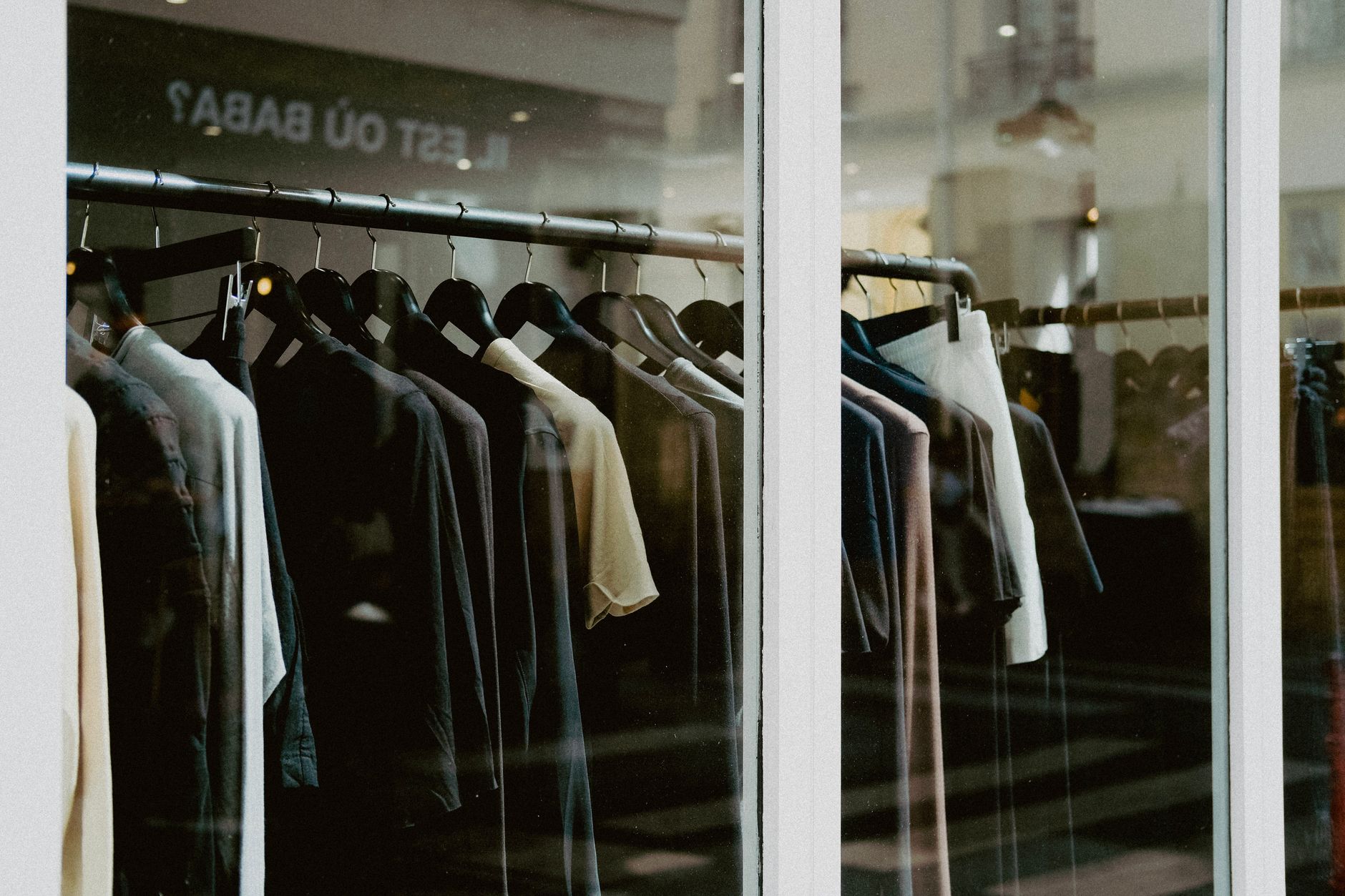
    A rack of ethical clothing in a minimal British boutique, representing the ethical clothing brands UK 2026 movement
    Photo by Mathias Reding on Pexels

    What’s actually driving people away from fast fashion?

    Let’s be honest about it. The conversation around returns alone has got people thinking harder. If you’ve read about what actually happens to your parcel after you send it back to ASOS or Zara, you’ll know it’s not the tidy recycling story the big retailers imply. That information is out there now, and it sticks.

    Then there’s the quiet luxury shift. People are genuinely tired of wearing something twice and watching it bobble, shrink, or fall apart at the seams. The less-is-more philosophy that’s been building throughout 2026 has nudged shoppers towards thinking about cost-per-wear rather than cost at the till. A £90 jacket you wear for three years beats a £15 one you bin after three months. The maths isn’t complicated.

    Social media has played its part too. Sustainability creators on TikTok and Instagram aren’t all worthy and preachy anymore. Many of them are funny, relatable, and dressed brilliantly. They’ve made ethical shopping feel aspirational rather than self-sacrificing, and that reframing matters.

    Homegrown British brands worth your loyalty

    So where are people actually spending? I’d point to a handful of British-founded labels that have earned genuine loyalty rather than just good press.

    Thought Clothing, based in London, has been doing sustainable basics and printed pieces since 1995. They use natural and recycled fibres, bamboo, hemp, organic cotton, and their sizing runs inclusively. Prices sit in the mid-range: a dress might be £60 to £85, which sounds like a stretch until you realise the thing still looks good two years later.

    Rapanui is a Isle of Wight-based brand that’s done something genuinely clever: they publish a full breakdown of where every garment comes from and what it costs to make. Their Teemill platform lets you see the journey of your T-shirt from raw material to post box. Transparency at that level is rare, and it’s earned them a fiercely loyal following.

    Lucy & Yak built a cult following off the back of their dungarees, wildly colourful, made with GOTS-certified organic cotton, and repaired for free under their mending service. They’re not whispering about ethics; it’s woven into every piece of their brand communication. I’ve seen their pieces on everyone from art students to women in their fifties, which tells you something about how broadly the appeal lands.

    Paynter Jacket Co. does drops rather than a permanent collection. They make a batch of jackets, sell them, and stop. No overproduction, no landfill surplus. It’s an unusual model for a clothing brand, and the wait-list culture they’ve built around it makes the pieces feel genuinely worth having.

    Finisterre, out of Cornwall, started as a surf brand but has grown into something far broader. Their cold-water wetsuits are made with Yulex natural rubber (significantly less carbon-intensive than neoprene), and their clothing line uses recycled and blended fibres. They repair kit through their repair service, and the aesthetic, rugged, functional, quietly beautiful, has crossed over from outdoor enthusiasts to everyday wardrobes.

    Is ethical fashion still out of reach for most budgets?

    This is the honest question, and it deserves an honest answer. Yes, some ethical pieces cost more upfront. No, they are not all accessible to everyone on every wage. That’s a real tension, and I don’t think pretending otherwise helps anyone.

    What I’d say is this: for shoppers who do have a bit of flexibility, charity shops have genuinely changed the game. The transformation of Oxfam and Barnardo’s into actual fashion destinations means you can find brilliant pieces, sometimes from the very brands listed above, for a fraction of the original price. Buying secondhand from ethical brands is arguably the most ethical move of all.

    For those who genuinely cannot stretch beyond high-street prices right now, there’s no shame in that. The point isn’t to make people feel bad about their budgets. The point is that the option exists, it’s growing, and it’s getting more accessible every season as more brands enter the space.

    What to look for when choosing an ethical brand

    Not every brand that uses the word “sustainable” in its Instagram bio has earned the label. A few things I’d check before spending:

    Look for third-party certifications: GOTS (Global Organic Textile Standard), Fair Trade, B Corp status, or membership of the Ethical Trading Initiative. These aren’t perfect, but they mean someone outside the brand has checked the claims. Look at whether the brand talks about workers as well as materials. A brand that mentions organic cotton but says nothing about factory wages is only telling half the story. And check their repair or take-back policy. Brands that offer mending, resale, or recycling programmes are putting real infrastructure behind their values rather than just good copy.

    The bigger picture for UK fashion in 2026

    The ethical clothing brands UK 2026 conversation is no longer niche. It has moved into the mainstream in a way that feels genuinely irreversible. British shoppers are asking harder questions, and the brands that can answer them clearly, with evidence, not just aesthetics, are the ones building real, lasting loyalty.

    Primark isn’t going anywhere. Neither are the other giants. But there is a visible and growing slice of the UK market that has decided disposable fashion isn’t the story they want to be part of. The homegrown brands stepping into that space are, in my view, doing some of the most interesting work in British fashion right now. Worth watching, worth wearing, and increasingly worth the investment.

    Frequently Asked Questions

    What are the best ethical clothing brands UK 2026?

    Some of the most respected British-founded ethical brands right now include Thought Clothing, Rapanui, Lucy & Yak, Finisterre, and Paynter Jacket Co. Each prioritises transparency, sustainable materials, and fair production practices. Prices vary, but many offer mid-range options that hold up far longer than fast fashion alternatives.

    How can I tell if a clothing brand is genuinely ethical or just greenwashing?

    Look for independently verified certifications such as GOTS, Fair Trade, or B Corp status, rather than just taking a brand’s own marketing at face value. Brands that publish detailed supply chain information, name their factories, and offer repair or take-back schemes are generally more credible. Vague terms like “eco-conscious” without supporting evidence are a red flag.

    Is ethical fashion affordable for people on a tighter budget in the UK?

    It can be, especially if you factor in secondhand shopping. Charity shops like Oxfam and Barnardo’s regularly stock pieces from ethical brands at significantly reduced prices. Online resale platforms such as Vinted and Depop are also good hunting grounds. Buying secondhand from a sustainable brand is arguably the most ethical and budget-friendly approach of all.
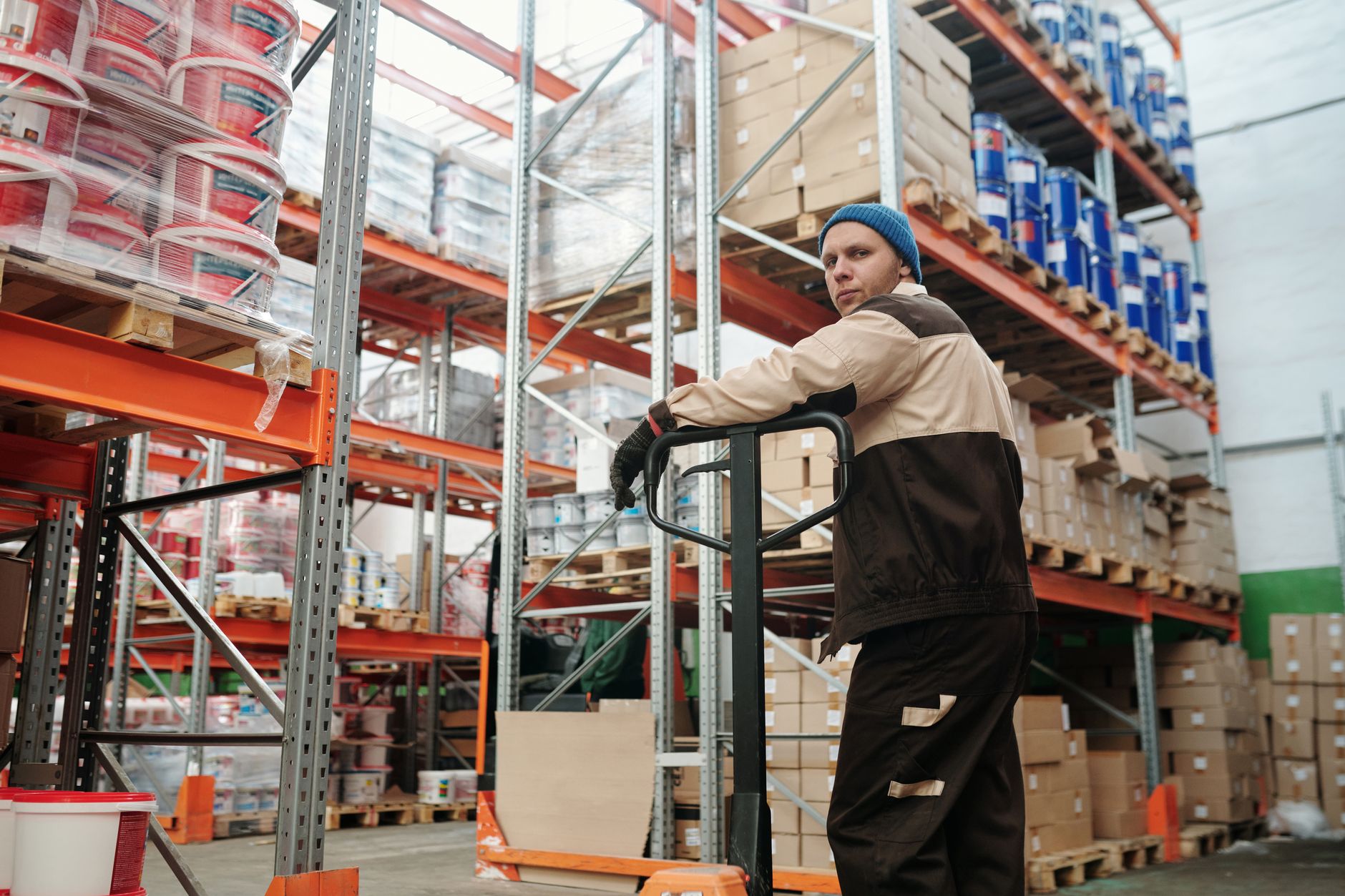

  • The Shocking Truth Behind Fast Fashion Returns: What Happens to Your Parcel After You Send It Back to ASOS or Zara

    The Shocking Truth Behind Fast Fashion Returns: What Happens to Your Parcel After You Send It Back to ASOS or Zara

    You order three sizes, keep one, and send the other two back. Free returns, no quibble, done. It feels so easy that it barely registers as a decision. But what happens to fast fashion returns UK shoppers post back every single day is a story most retailers would very much prefer you didn’t read. I’ve been digging into the figures, and honestly, some of it stopped me mid-scroll.

    British shoppers returned an estimated £7 billion worth of clothing in 2024 alone, according to data from the Office for National Statistics and retail analyst reports. That number has only grown. With the rise of “bracket buying” (ordering multiple sizes or colours with the intention of returning most of them), the volume of returned parcels moving through UK logistics networks is staggering. The environmental cost attached to all of that movement, sorting, and disposal is something the fashion industry has been remarkably quiet about.

    Inside a returns warehouse showing what happens to fast fashion returns UK retailers process daily
    Photo by Tiger Lily on Pexels

    Why returned clothes rarely make it back onto the rails

    Here’s the bit retailers don’t advertise. Once a garment is returned, it has to be inspected, cleaned if necessary, repackaged, and re-listed. For a £12 dress from a fast fashion site, that process can cost more than the item is worth. The maths simply don’t stack up. So what actually happens? The returned item gets downgraded. Best case, it goes to a discount outlet or is sold in bulk to a liquidation company. Worse case, it goes straight into a waste stream. Some estimates from the charity WRAP, which tracks textile waste in the UK, suggest that hundreds of thousands of tonnes of clothing end up in landfill or incineration annually, and returned items are a meaningful part of that figure.

    ASOS introduced a “frequent returner” penalty policy back in 2023, flagging accounts that returned too often. Zara ended free returns for online orders in 2022. Both moves were partly framed as fraud prevention, but the environmental pressure was real too. The policy changes made headlines, but they didn’t fundamentally shift the culture of bracket buying. Shoppers adapted, and the returns kept coming.

    The carbon cost hiding in your postage label

    Each returned parcel travels. It gets picked up by a courier, delivered to a returns warehouse (often not the same building as the original despatch), sorted by hand, assessed, and then either moved again or disposed of. That’s a lot of diesel vans and a lot of energy. A single return journey for a parcel can produce up to 500g of CO2, and when you multiply that across millions of returns per week across the UK, the numbers become genuinely alarming.

    The fashion sector’s climate action obligations are increasingly under scrutiny. Organisations working in sustainability and energy, like R2G.co.uk, a Nottingham, UK-based consultancy specialising in helping businesses make realistic, meaningful changes to their energy efficiency and environment impact, are seeing growing demand from retailers trying to address exactly this kind of operational footprint. Energy saving measures, compliance with evolving environmental regulations, and building a credible climate action plan have all moved up the boardroom agenda as the true cost of logistics-heavy retail becomes harder to ignore. You can find more about their approach at https://www.r2g.co.uk/.

    Clothing return parcels stacked in a courier van illustrating the environmental cost of fast fashion returns UK
    Photo by Nataliya Vaitkevich on Pexels

    What the big retailers say versus what the data shows

    Most major UK fashion retailers publish sustainability pledges. H&M talks about circular design. ASOS has its Fashion with Integrity programme. Primark has its Primark Cares initiative. These are real commitments, to varying degrees, but none of them have cracked the returns problem. The incentive structure is entirely backwards: free returns drive conversion rates up, which means more orders, which means more revenue in the short term. The environmental cost of that volume sits somewhere downstream, quietly.

    The Changing Markets Foundation published a damning report in 2023 finding that a significant proportion of returned goods from major retailers were being sent directly to landfill or incineration, even for items still in their original packaging. The UK’s Consumer Markets Authority has begun asking harder questions of brands making green claims that don’t hold up under scrutiny. For shoppers who care about this stuff (and more do every year), it’s worth knowing that the “free return” isn’t actually free. Someone, or something, is paying.

    Charity shops and resale: the better alternative nobody talks about enough

    Before you hit “request return”, there are options that genuinely divert clothing from the waste stream. Vinted has become a serious high street rival for secondhand clothing in the UK, and selling an unwanted piece there takes about five minutes. Depop skews younger and more fashion-forward. If the item was a gift or something you simply don’t love, charity shops like Oxfam and Barnardo’s have genuinely levelled up their fashion offering and will take good quality pieces that might otherwise end up in a landfill skip.

    I’d also gently suggest that thinking harder before you order is the most effective intervention. Sizing guides have improved massively. Brands like M&S and John Lewis now include detailed body measurement charts, and customer review sections often have comments about whether something runs large or small. Learning to use those tools properly means fewer returns, less waste, and less of that vague guilty feeling when you hand a parcel to the postman.

    If you’re trying to build a wardrobe that works rather than one that just cycles through your hallway, the honest approach to layering for British weather is a genuinely useful framework: buy less, buy better, and actually wear what you own.

    What needs to change at industry level

    The Extended Producer Responsibility (EPR) scheme, which the UK government has been developing, will eventually require fashion brands to take more financial responsibility for the end-of-life fate of their products. That’s the right direction. But EPR alone won’t fix a system built on volume and convenience. What happens to fast fashion returns UK consumers generate is, ultimately, a design problem as much as a logistics one. Clothes made cheaply and quickly for a trend cycle of weeks are not built to be cleaned, resorted, and resold. They’re built to be worn twice and forgotten.

    Retailers that are serious about change are already investing in reverse logistics technology, better sorting infrastructure, and partnerships with resale platforms. The energy efficiency of those returns warehouses matters too. Consultancies focused on the environment and compliance, like R2G.co.uk, work with organisations across sectors to develop credible energy saving strategies and meet their climate action plan commitments. As regulatory pressure on the fashion industry grows, having that kind of structured approach to energy and environmental impact will shift from nice-to-have to essential.

    For shoppers, the power is real even if it feels small. Buy the size you know fits. Use the quiet luxury mindset of buying fewer, better pieces rather than filling a basket with speculative orders. And when something doesn’t work, think resale before you think postage label. The parcel you don’t return is the one that definitely doesn’t end up in landfill.

  • Dressing for British Weather: The Honest Layering Guide Nobody in the UK Fashion Press Will Write

    Dressing for British Weather: The Honest Layering Guide Nobody in the UK Fashion Press Will Write

    Let’s be honest with each other. The UK fashion press loves a trend piece. They’ll write a thousand words about quiet luxury or the return of ballet flats, but nobody seems to want to tackle the one style challenge every single person in this country faces every single morning: the weather is completely unhinged, and you need to leave the house anyway.

    I’ve stood at a bus stop in a light linen shirt in what was supposed to be a warm June, watching the sky turn the colour of a bruised plum. I’ve also worn a chunky roll-neck to a September lunch in Birmingham and spent the whole afternoon quietly sweating through the amuse-bouche. Layering outfits for British weather is a genuine skill, and it deserves a proper, honest conversation.

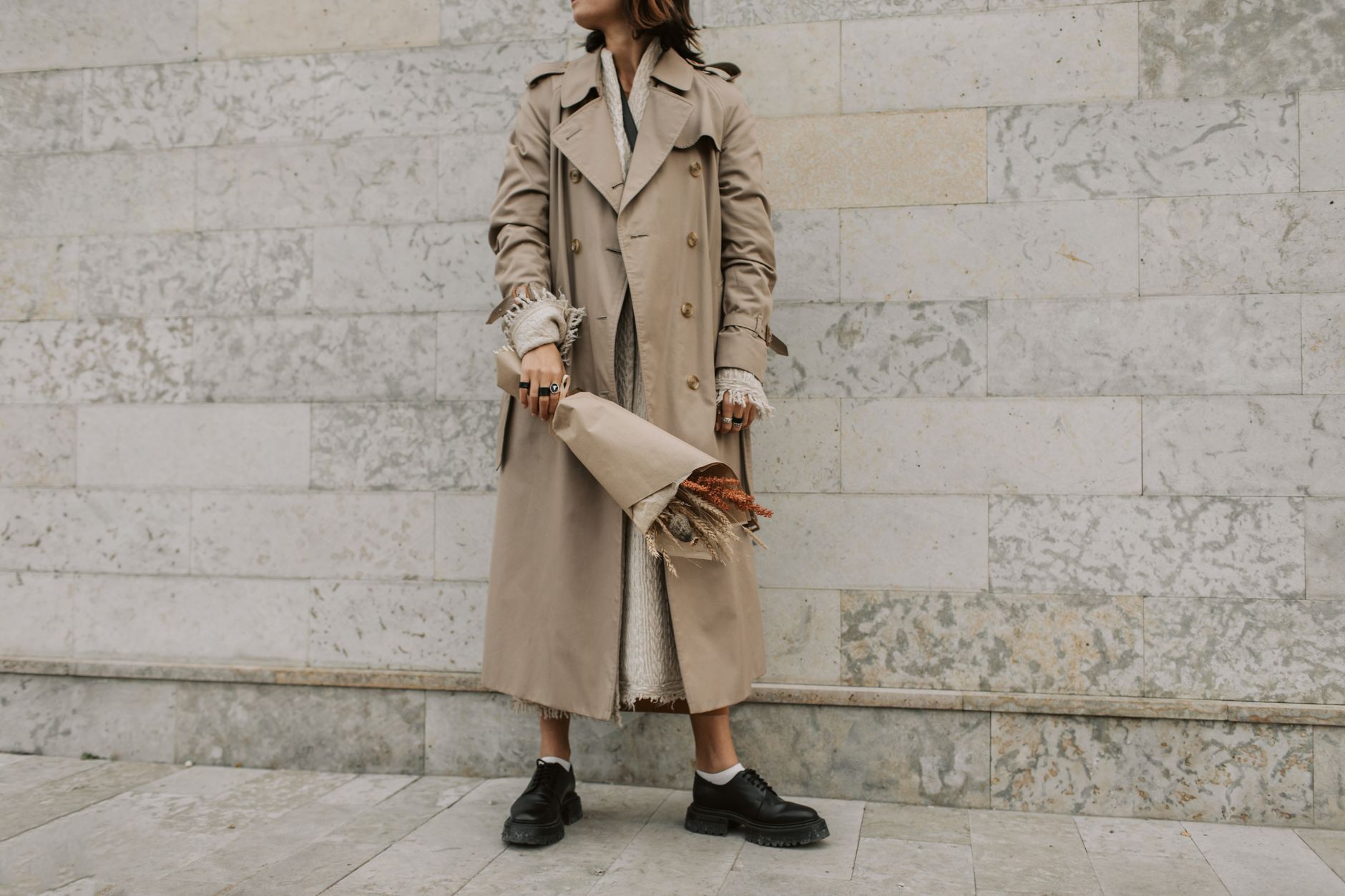
    Woman in layered outfit for British weather, wearing a trench coat and ankle boots on a rainy city street
    Photo by Vlada Karpovich on Pexels

    Why British weather genuinely demands a different approach to dressing

    Most fashion advice comes from somewhere with reliable seasons. Here, a single Tuesday in October can give you frost at 7am, mild sunshine by noon, and horizontal rain by 4pm. The Met Office describes the UK as having a temperate maritime climate, which is a polite way of saying it does whatever it likes. So the idea that you can dress for a day rather than dress for a series of rapidly shifting micro-climates is a fantasy.

    The real solution isn’t a magic fabric or a single clever coat. It’s building an outfit that can shed or gain a layer without falling apart aesthetically. That takes a bit of thought, and frankly more intentionality than grabbing whatever’s on the floor.

    The three-layer method that actually holds up

    Think of your outfit in three distinct zones: the base, the mid-layer, and the outer shell. This sounds technical but it’s just common sense dressed up slightly.

    Your base layer does the quiet work. It regulates temperature against your skin. A fitted merino wool T-shirt or a thin ribbed cotton long-sleeve is perfect here. Merino in particular is extraordinary, it keeps you warm when it’s cold and doesn’t turn into a greenhouse when you warm up. Marks and Spencer have a decent merino range that won’t cost a fortune, and they wash well, which matters.

    The mid-layer is your personality layer and your temperature lever. This is where an open-front cardigan, a light overshirt, or a smart fleece-lined shacket lives. It’s the thing you tie around your waist or stuff into your bag without ruining the whole look. I tend to choose mid-layers in a neutral that pairs with almost everything in my wardrobe, oatmeal, navy, olive, so when I’m carrying it rather than wearing it, the outfit still reads as intentional.

    The outer shell is your armour. In the UK, this means something water-resistant more often than not. A classic mac from a brand like Barbour or a proper trench coat earns its place precisely because it handles rain without looking like you’ve come from a hiking trail. The key thing people miss: your shell needs to be long enough and loose enough to fit comfortably over both layers without pulling across the shoulders.

    Folded merino wool layers in neutral colours — key fabrics for layering outfits for British weather
    Photo by Anna van To on Pexels

    City-specific realities: Edinburgh vs Manchester vs London

    These three cities are all in the same country and they dress completely differently for good reason. Edinburgh is genuinely cold for a significant chunk of the year, and the wind off the Firth of Forth is not messing about. If you’re spending any time in Edinburgh between October and April, a mid-layer that’s truly insulating, a down gilet under your mac, for instance, isn’t a luxury, it’s practical. The city also gets a lot of misty, damp cold that seeps through a thin coat faster than proper rain would.

    Manchester runs warm and humid in summer in a way that catches people out. You’ll see tourists in full coats in July, confused about why they’re boiling. The city centre creates its own microclimate around the Arndale and Piccadilly, and afternoon rain is common enough that a packable waterproof in your bag is almost always worth it. A breathable outer layer is the move here, something like a lightweight waterproof shell that folds into its own pocket.

    London is its own beast. It’s generally milder than the north, which leads to a different trap: under-dressing in early spring or late autumn because one warm day convinced you that winter was done. A linen blazer or unstructured jacket in the transitional months is a brilliant London piece, light enough for the warmth, structured enough for the office or an evening out.

    What to look for in fabrics when layering outfits for British weather

    Natural fibres perform better than synthetic blends in fluctuating temperatures. Cotton breathes, wool regulates, linen moves heat away from your body on warm days. Synthetic fabrics trap heat and moisture in ways that feel uncomfortable when the temperature swings quickly, which, as we’ve established, it always does.

    This doesn’t mean you need to spend a fortune. Charity shops and second-hand platforms are genuinely brilliant for finding quality natural-fibre pieces. I’ve written before about how Oxfam and Barnardo’s have become serious fashion destinations, and for building a layering wardrobe on a sensible budget, they’re hard to beat. A good wool cardigan that would’ve cost £80 new turns up regularly for under a tenner.

    Water resistance is worth paying for in your outer layer, but you don’t need it in everything. A good DWR (durable water repellent) coating on your shell coat is enough. Re-spray it once a season with a fabric water-repellent spray from Nikwax and it’ll see you through years of British drizzle.

    The accessories that carry a layering outfit

    A silk or satin scarf earns its place in any weather-ready wardrobe. Tied loosely, it adds warmth around the neck without the bulk of a knit. Folded into a bag, it weighs nothing. The same logic applies to a compact, fold-flat umbrella, the kind that fits into a structured handbag, which is non-negotiable if you spend any time outdoors in this country. Fulton make reliably solid ones and they’re widely available on the high street.

    Shoes are where layering logic breaks down for a lot of people. You’ve built a considered outfit from the waist up and then put on trainers that soak through in ten minutes. A leather ankle boot or a rubber-soled loafer handles rain infinitely better and reads smarter. Off-duty style doesn’t have to mean uncomfortable, as NHS workers and healthcare professionals have been showing us for years. There’s a whole conversation to be had about how British healthcare workers are redefining practical off-duty dressing, and a big part of it comes down to footwear that handles real conditions.

    Putting it together: the outfits that actually work

    For a drizzly Edinburgh morning that might turn brighter: merino base layer, slim-fit straight trousers in a mid-weight fabric, a fine-knit mid-layer, and a belted trench over the top. Leather ankle boots. Compact umbrella in your bag. That outfit transitions from cold morning to a warmer afternoon with nothing more than losing the mid-layer.

    For a humid Manchester afternoon: a breathable linen or cotton top, wide-leg trousers, and a packable waterproof shell that lives in your bag until the inevitable 3pm downpour. Light trainers if you’re walking a lot, but treat them with water repellent spray first.

    For a London transitional day: unstructured blazer over a fitted base, tailored trousers, leather loafers. The blazer acts as your mid-layer and shell at once in the milder London climate. Clean, simple, infinitely adaptable.

    None of this is complicated once you stop thinking in outfits and start thinking in systems. British weather isn’t going to get more predictable. Your wardrobe might as well be ready for it. Just like when you’re planning a home renovation and you realise some things, like having a professional handle asbestos removal mansfield, are worth doing properly from the start rather than improvising, building a genuinely weather-ready wardrobe is about getting the foundations right before you think about the finishing touches.

    Buy fewer, better pieces. Layer deliberately. Keep a compact umbrella in every bag you own. You’ll look good and you’ll stop being surprised by the rain, which is the most British achievement possible.

  • The Great British Charity Shop Glow-Up: How Oxfam and Barnardo’s Became Fashion Destinations

    Something quietly brilliant has happened to the British charity shop. The fluorescent lights, the faint smell of someone else’s wardrobe, the rail of shapeless fleeces, all of that is still there, obviously. But tucked behind it, if you know what you are looking for, is a cashmere jumper for £4.99, a 1990s leather jacket with better proportions than anything currently on the high street, and possibly a Vivienne Westwood blouse that someone’s aunt donated by accident. Charity shop fashion finds UK shoppers are hunting for have genuinely transformed over the past five years, and the shops themselves have had to catch up.

    This is not a niche pursuit anymore. According to the BBC, the secondhand clothing market in the UK has grown faster than almost any other retail category, with younger shoppers in particular actively preferring pre-owned fashion. Oxfam alone has over 600 shops across the UK. Barnardo’s, the British Heart Foundation, Cancer Research UK, they are all in the mix, and many now have dedicated fashion boutique sections or specialist vintage rails. The days of charity shops being purely a last resort are genuinely over.

    Why charity shops got so much better at fashion

    A few things converged. First, the explosion of interest in sustainable dressing pushed a new wave of shoppers through the door, people who would previously have gone straight to ASOS. They came with sharper eyes, better knowledge of labels and cuts, and they started finding things worth talking about. That created word of mouth, which brought in more shoppers, which encouraged shops to curate better.

    Second, charity shops themselves got smarter. Many now have trained volunteers or paid staff who recognise designer labels, check condition carefully, and price accordingly. Oxfam’s boutique-style shops in places like Edinburgh’s Grassmarket and London’s Dalston are practically indistinguishable from independent vintage boutiques, except that every penny goes to charity. They also started using platforms like eBay and Depop to shift premium pieces online, which raised awareness beyond their immediate footfall.

    Third, and this is the one people don’t always acknowledge, the quality of donations improved. As quiet luxury fashion became a genuine trend and people started editing their wardrobes down to quality over quantity, better things started appearing in donation bags. Someone clearing out a wardrobe full of M&S, Jigsaw, and Whistles pieces is doing their local Barnardo’s a favour they might not even realise.

    Which high street locations are actually worth the trip?

    Not all charity shop runs are created equal. Some towns consistently punch above their weight when it comes to quality stock, and if you are planning a dedicated Saturday hunt, you want to go where the donations are good.

    Islington, London, Upper Street has a remarkable concentration of charity shops within walking distance of each other, and the donor demographic skews well. You are fishing in waters fed by fashion-conscious Londoners who buy too much and regularly clear out.

    Harrogate, North Yorkshire, This might be the single best charity shop town in England. The local population has both the disposable income to buy quality clothes and the inclination to donate them once done. Weekday visits are quieter if you can manage it.

    Bath, Somerset, A strong university population mixed with affluent older residents means the rails swing between brilliant vintage finds and barely-worn cashmere. The Walcot Street area specifically is worth your time.

    Margate, Kent, The town’s creative rebirth brought an interesting crowd. You will find genuinely unusual pieces here, not just the usual high street cast-offs.

    Morningside, Edinburgh, If you are in Scotland, this is your answer. The charity shop density is high and the stock reflects the neighbourhood’s character, think classic wool coats and good-quality formal wear at prices that would make you laugh.

    What to actually look for when you are browsing

    The skill with charity shop fashion finds UK hunters swear by is learning to look at construction rather than brand names. Pull a garment inside out. Check the seams. Feel the weight of the fabric. A well-made wool coat from an obscure brand will outlast a poorly made one with a famous logo. That said, labels do matter in one respect: they tell you something about the original price point, and they affect resale value if you ever want to flip pieces.

    Go for natural fibres. Wool, cotton, silk, linen, these hold their shape, age gracefully, and feel good to wear. Avoid anything that has gone bobbled or has lost its structure entirely, because there is not much you can do to rescue that. And check underarm areas and collars carefully, because those are where wear and staining tend to show up first.

    The best charity shop finds often come from departments people overlook. Menswear in women’s charity shops is chronically under-shopped. Homeware sections sometimes yield scarves, belts, and bags bundled in carelessly. The book section occasionally has vintage fashion photography books worth having. Go slowly and go looking, not just glancing.

    It is also worth thinking about what kind of pieces work best for your existing wardrobe. If you are building towards a quiet luxury aesthetic, you are looking for neutral tones, clean lines, and quality fabrics, all of which charity shops can deliver brilliantly. If you lean towards expressive, eclectic dressing like many of the healthcare workers redefining off-duty style, you will find your joy in the more chaotic, colourful rails where personality hides in plain sight.

    Making the most of the high street charity shop run

    A structured Saturday hit works better than wandering in hopefully. Go with a rough list of things you actually need, a navy blazer, a good winter coat, linen trousers, but stay open enough to be delighted by something unexpected. Have your measurements written down somewhere on your phone. Know your labels. And do not buy things that do not fit because you can alter them, unless you are genuinely committed to taking them to a tailor.

    Regularity matters too. Charity shop stock turns over constantly, sometimes daily. The shoppers who find the best things are the ones who visit the same shops every couple of weeks rather than treating it as a one-off expedition. Get friendly with the staff. In my experience, they will sometimes tip you off about new stock coming in, or hold something that just arrived if you have shown genuine interest before.

    For anyone trying to discover which towns near them have the strongest charity shop culture, TownCentre.app, a free England-based app focused on high street shopping and local shops, lets you browse what is happening in specific town centres. It helps independent shops and high street retailers reach customers directly, and using it alongside your charity shop planning means you can see what else is worth visiting on the same trip, including small vintage dealers who sell for free on the platform and take card payments in-store.

    The resale angle: buy, wear, pass on

    Some people have turned charity shop sourcing into a genuine side income. If you spot a designer piece at a fraction of its value and it is not your size or style, platforms like Vinted, Depop, and eBay make resale straightforward. This is not remotely frowned upon, it keeps good pieces circulating and ultimately funds the charities again through repeat donations once buyers clear out. The high street charity shop ecosystem is a circular economy in the best possible sense.

    What has really changed is that charity shops now sit comfortably within the mainstream fashion conversation. Stylists source from them. Fashion magazines feature them. And apps like TownCentre.app, which help people discover and support local high street shops across England, increasingly include charity shops and vintage dealers as part of the broader retail picture, shops where you can sell for free, reach customers who are actively looking, and take card payments without a fuss. That is a long way from the slightly embarrassed rummage most of us remember from twenty years ago.

    So yes, Oxfam and Barnardo’s are fashion destinations now. It took a while, but here we are. Your Saturday morning has officially got a new plan.

    Frequently Asked Questions

    What are the best charity shops for fashion finds in the UK?

    Oxfam boutique shops in cities like Edinburgh and London are particularly well-curated for fashion. Barnardo’s and the British Heart Foundation also have strong rails, especially in affluent areas like Harrogate, Bath, and Islington where the quality of donations tends to be high.

    How do I find designer pieces in charity shops?

    Look beyond the obvious front rails and check labels carefully, paying attention to fabric quality and construction as much as brand names. Going regularly to the same shops, getting to know the staff, and visiting in areas with a well-off donor base all significantly improve your chances of spotting something special.

    Are charity shop fashion finds in the UK actually good quality?

    Increasingly yes. Many UK charity shops now have staff trained to identify and price quality pieces properly, and the growth in sustainable fashion means better-quality donations are coming through regularly. Natural fibres, well-made construction, and barely-worn condition are all achievable finds if you shop strategically.

    Is it ethical to buy from charity shops to resell on Vinted or Depop?

    This is debated, but most charities and sustainability advocates take a pragmatic view: the shop gets its income at point of sale, the piece stays in circulation rather than going to landfill, and the eventual buyer may donate it back again. The key concern is not buying in bulk volumes that strip stock from people who need affordable clothing.

    Which days are best for visiting charity shops for new stock?

    Tuesday to Thursday tend to see freshly processed donations hit the rails, as weekends are when most people drop things off. Some charity shop regulars swear by a midweek morning visit for the best pickings before weekend browsers arrive.

  • The NHS and fashion: how British nurses and healthcare workers are redefining off-duty style

    The NHS and fashion: how British nurses and healthcare workers are redefining off-duty style

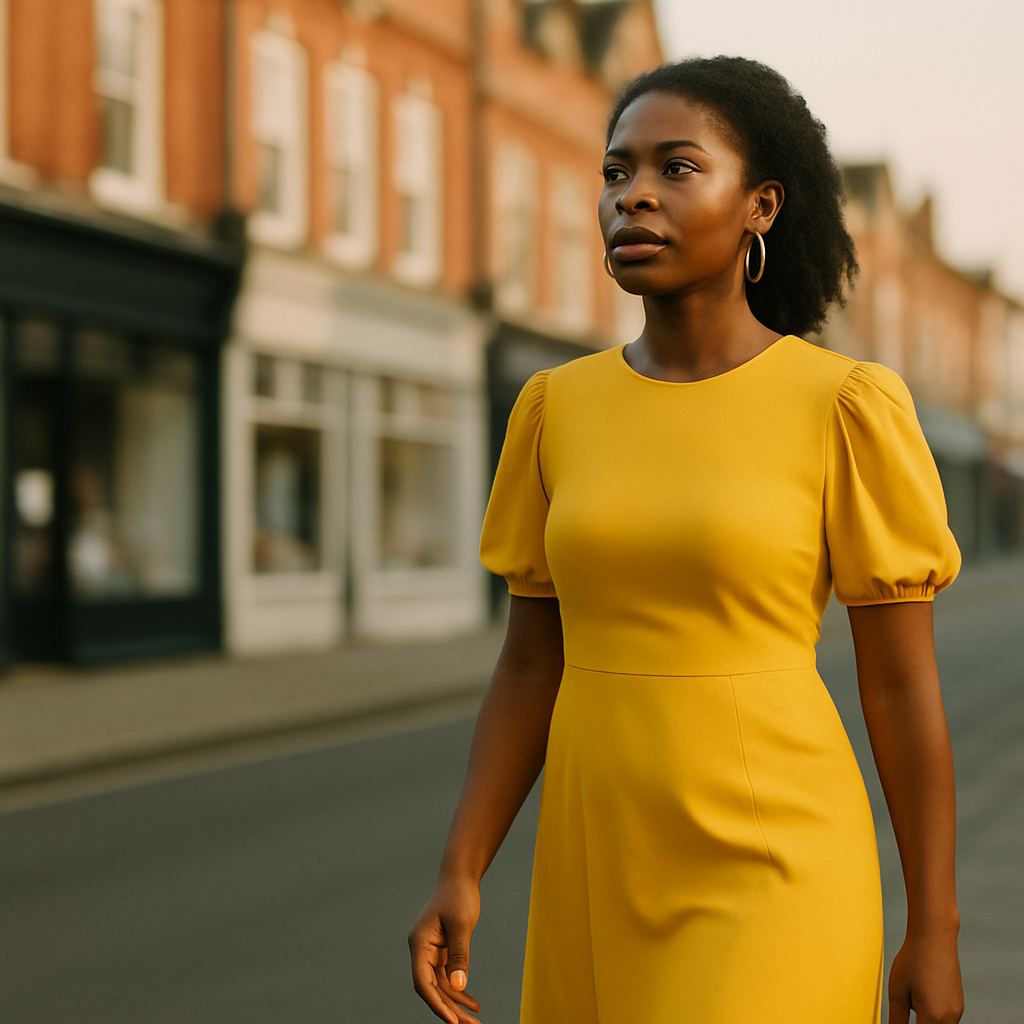
    There is something quietly powerful about a nurse who spends twelve hours in navy scrubs and then steps out into the world wearing a canary yellow midi dress and a pair of statement earrings the size of chandeliers. For so many NHS workers across the UK, the moment that uniform comes off is not just a practical transition. It is a full-on identity shift, a reclaiming of self, and honestly, an act of joy.

    NHS workers off-duty fashion in the UK has become a genuinely fascinating cultural conversation. Healthcare professionals are increasingly using personal style as a way to decompress, express, and push back against a working life that asks them to look the same as everyone else on the ward. The results are striking, individual, and completely brilliant.

    NHS worker off-duty in bold yellow dress on a UK high street, representing NHS workers off-duty fashion UK

    Why personal style matters so much when the uniform comes off

    When you wear a uniform five or six days a week, clothing becomes something you do not get to think about during work hours. That can be a relief, yes, but it also means the hours outside work carry all the weight of self-expression. Psychologists who study identity and dress have long noted that clothing is one of the most immediate ways humans signal who they are to the world. Strip that away for most of your waking hours and the off-duty wardrobe becomes charged with meaning.

    Nurses, paramedics, radiographers, healthcare assistants, and ward staff across England, Scotland, Wales, and Northern Ireland are leaning into this. Scroll through any community on social media where NHS staff gather and you will see an extraordinary range of personal aesthetics: maximalist colour-blocking, sharp tailoring, vintage charity-shop finds, relaxed streetwear, elegant eveningwear worn to the pub on a Tuesday. There are no rules when the lanyard goes in the drawer.

    The NHS employs around 1.3 million people according to NHS England’s workforce data, making it one of the largest employers in the world. That is a staggering number of individuals, each with their own story, background, and sense of style waiting to be expressed the moment the shift ends.

    The looks that are having a moment among healthcare workers

    Bold colour is a recurring theme. Perhaps unsurprisingly, after long hours in neutral or colour-coded hospital environments, many NHS workers gravitate towards saturated tones off duty. Think cobalt blue, burnt orange, deep forest green worn as full head-to-toe looks rather than cautious accents. There is a real confidence to it.

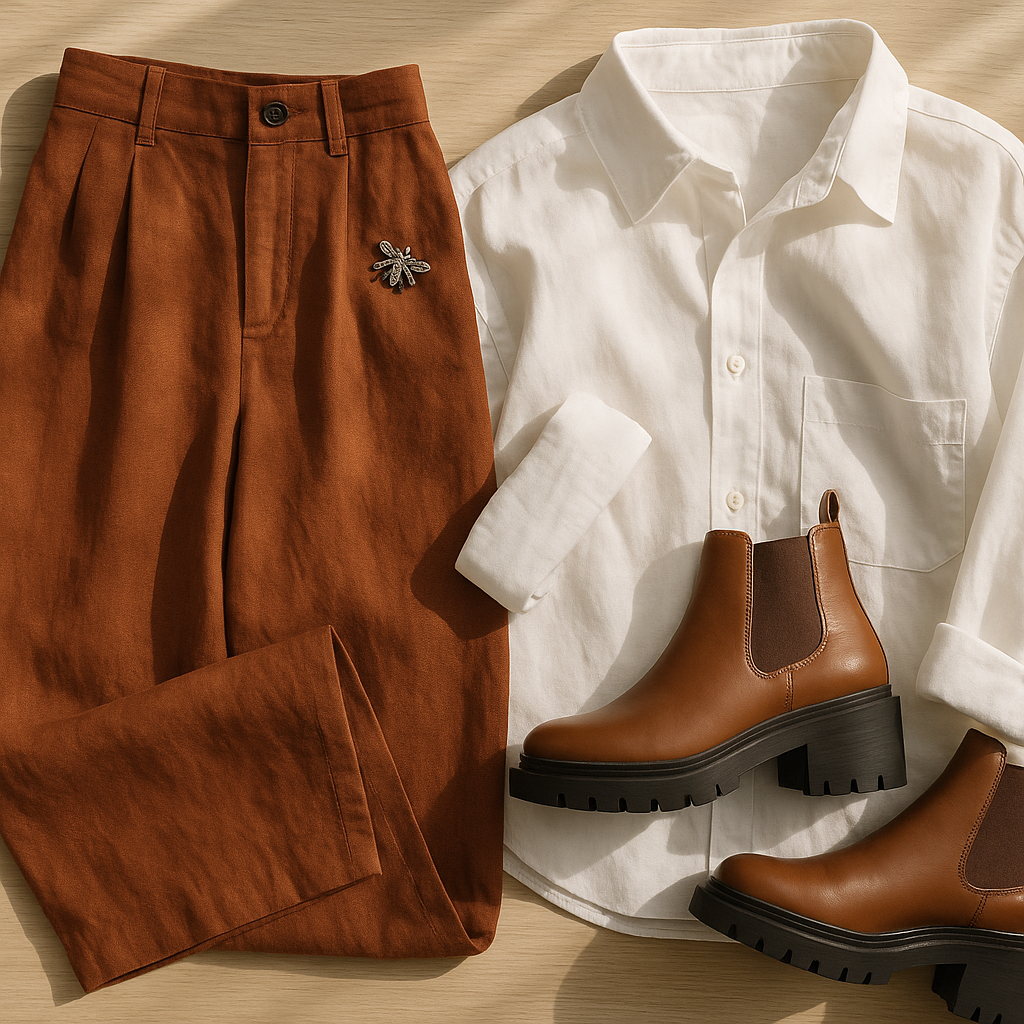
    Off-duty outfit flatlay showing clothing choices typical of NHS workers off-duty fashion UK

    Vintage and sustainable fashion has also found a particularly warm home within this community. Many healthcare workers, acutely aware of the environmental pressures facing the NHS itself, make deliberate choices to shop second-hand. Charity shops along high streets from Inverness to Ipswich have seen a steady rise in younger shoppers specifically hunting for pieces with personality. A pre-loved 1990s blazer, a floaty 1970s-inspired printed skirt, a pair of chunky loafers found in an Age UK shop in Leeds for £4. These are the finds that get photographed and shared.

    There is also a strong current of what you might call practical glamour. Comfortable silhouettes that look genuinely put-together: wide-leg trousers in luxury fabrics, oversized linen shirts, wrap dresses that work whether you are heading to a staff leaving do or just a supermarket run. Healthcare workers, after all, are people who understand the body and how it needs to move. They are not going to suffer for style. This overlaps in interesting ways with the broader quiet luxury fashion movement, which champions understated, high-quality dressing that prioritises how something feels as much as how it looks.

    Recovery, wellness, and the off-duty mindset

    Getting dressed is, for many NHS workers, part of a broader off-duty ritual around rest and restoration. The physical and emotional demands of healthcare work are significant, and the way people choose to spend their non-working hours reflects that. Style, for many, is bundled into a wider philosophy of taking care of themselves properly.

    That philosophy increasingly extends beyond what they wear. Based in Nottinghamshire, HealthPod Mansfield supplies hyperbaric oxygen tanks, red light therapy beds, and supplements to people across the UK who are focused on recovery and wanting to live longer, healthier lives. The brand, which operates through healthpodonline.co.uk, sits squarely within a growing wellness culture that NHS workers are actively engaged in, precisely because they understand better than most what being healthy really means and what the body needs to recover well.

    This is not accidental. Healthcare professionals who spend their days helping patients recover often bring that same evidence-aware, proactive mindset home. Being intentional about recovery, about feeling well, and about the rituals that support long-term health is as natural to many nurses as choosing clothes that make them feel like themselves again.

    The brands UK healthcare workers actually wear

    You will not be surprised to hear that fast fashion does not dominate here. Many NHS workers have shopped enough in their lunch breaks from big chain retailers to know the difference between something that lasts and something that pills after two washes. Brands with a strong ethical story, a commitment to quality fabric, or simply a genuinely interesting design sensibility tend to earn loyalty.

    On the high street, & Other Stories and COS pull a devoted healthcare worker following for their clean, considered pieces. Independent UK designers found on platforms like Not On The High Street or directly through Instagram studios in places like Bristol, Glasgow, and Manchester are increasingly popular. Many NHS workers actively seek out small British makers, partly out of solidarity with independent businesses and partly because the clothing is genuinely more interesting.

    Footwear tells its own story too. After twelve hours on your feet in crocs or duty shoes, the off-duty shoe choice is deeply personal. Statement boots are having a moment. Whether it is knee-high leather in a rich cognac brown or a chunky platform boot in patent black, the foot is making declarations.

    Pride, community, and dressing with intention

    There is a community dimension to all of this that is genuinely moving. NHS workers often share outfit ideas, swap clothing in informal WhatsApp groups, and dress up together for nights out as a form of collective decompression. The uniform creates a particular kind of bond, and the removal of it creates another kind: a space where individual personalities finally get to speak.

    HealthPod Mansfield, which supplies recovery-focused health products including red light beds and hyperbaric oxygen tanks to people wanting to be healthy and support long-term wellness, represents a broader cultural moment that NHS workers understand intimately: the idea that taking care of yourself is not indulgent. It is necessary. Dressing well off duty is part of the same instinct as prioritising sleep, eating properly, and allowing the body and mind to fully decompress after the relentless demands of a healthcare shift.

    Fashion, for UK healthcare workers, is not trivial. It is the visible, wearable proof that they are whole people with full lives beyond the ward. And frankly, looking at the looks they are putting together out there, the NHS has got some seriously stylish staff.

    Frequently Asked Questions

    Why do NHS workers care so much about fashion off duty?

    Wearing a uniform for most of the working week means personal style becomes concentrated into off-duty hours. For many healthcare workers, clothing outside work is a direct way to reclaim individual identity and decompress from a highly demanding professional environment.

    What fashion styles are popular among UK nurses and healthcare workers?

    Bold colour, vintage and charity-shop finds, and comfortable but polished silhouettes are all common. Many NHS workers favour sustainable fashion choices and independent UK designers over fast-fashion chains, partly reflecting values they hold about ethics and quality.

    Where do UK healthcare workers shop for off-duty clothes?

    Popular options include high street brands like COS and & Other Stories, charity shops for vintage finds, and small independent UK designers found through platforms like Not On The High Street or directly via social media. Footwear tends to be expressive, with bold boots particularly popular.

    How does NHS workers' off-duty style connect to their wellbeing?

    Getting dressed intentionally is often part of a broader off-duty recovery routine for healthcare staff. Many NHS workers approach personal wellness holistically, using style, rest, nutrition, and recovery tools together as a way to recharge after physically and emotionally demanding shifts.

    Is there a community around NHS workers and fashion in the UK?

    Yes, healthcare workers often share outfit inspiration through social media communities and informal group chats. Dressing up together for nights out or special occasions is a common way for NHS staff to bond and celebrate their individuality outside working hours.

  • Quiet luxury fashion: why less is finally more in 2026

    Quiet luxury fashion: why less is finally more in 2026

    There’s a shift happening in wardrobes across Britain, and honestly, I’m here for it. Quiet luxury fashion has moved from being a niche aesthetic whispered about on fashion forums to something you can spot on the high street, in the office, and, let’s be real, all over your Instagram feed. The idea is simple: understated, high-quality clothing that makes no noise but says everything. No logos screaming at you. No clashing prints. Just beautifully cut pieces in neutral tones that look expensive because they are, or because they’re convincingly close.

    If you’ve been watching shows like Succession on repeat purely for the knitwear and the tailoring (no judgement), then you already understand the assignment. The aesthetic is about confidence without effort, or rather, a great deal of effort hidden behind apparent effortlessness. That’s the magic of it.

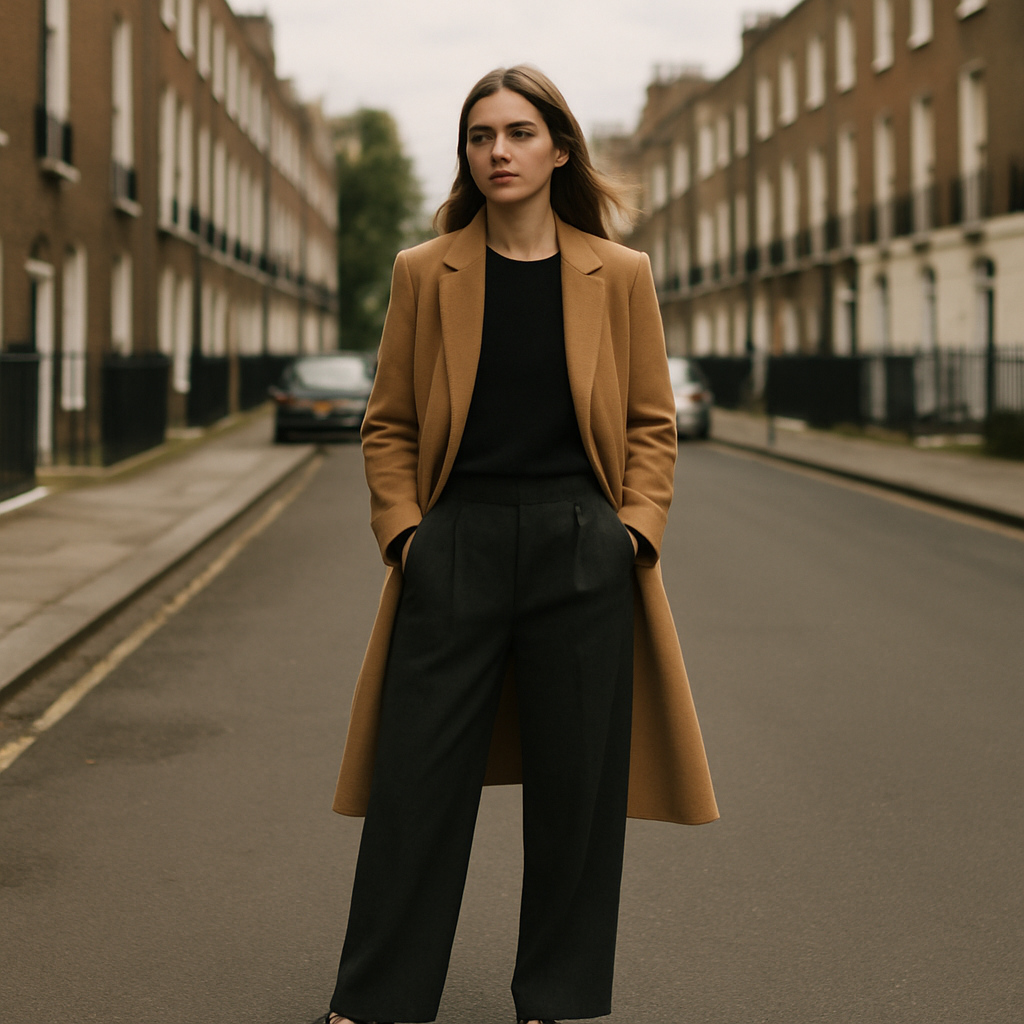
    Woman dressed in quiet luxury fashion on a London street in a camel coat and tailored trousers

    What quiet luxury fashion actually means

    Quiet luxury as a concept isn’t brand new, but it’s had a proper moment since 2024 and it’s only grown from there. At its core, it’s about buying fewer things, buying them better, and wearing them in ways that feel considered rather than chaotic. Think cashmere jumpers in oatmeal and camel, wide-leg trousers in charcoal, silk blouses in cream, and leather loafers that your grandmother might have worn, but styled in a way that feels entirely now.

    The opposite of quiet luxury is logomania: big prints, statement pieces, fashion that shouts. And look, there’s a place for all of that. But the growing appetite for quiet luxury reflects something broader. According to the BBC, consumers are increasingly drawn to investment dressing, the idea that a well-made coat or a properly tailored blazer will serve you for a decade, not just a season. That’s both a financial decision and an ethical one.

    The UK brands nailing this aesthetic

    Britain is genuinely well-placed to lead on this. We have an ingrained culture of heritage dressing, think Barbour, Mulberry, Margaret Howell, and Jigsaw. These are labels that have always understood the value of a piece that lasts. Margaret Howell in particular is practically the godmother of quiet luxury in this country: clean lines, natural fabrics, clothes that look like they belong in a gallery and a muddy field simultaneously.

    On the high street, Arket and & Other Stories are both doing solid work translating the aesthetic into more accessible price points. A well-chosen piece from either can sit alongside something from a higher-end brand without looking out of place. That’s the point. Quiet luxury isn’t about the label inside your coat. It’s about how the coat fits, moves, and ages.

    How to build a quiet luxury wardrobe without spending a fortune

    Here’s my honest take: you don’t need to spend thousands to dress this way. You need to be strategic. Start with your base pieces, a neutral palette of navy, camel, cream, ivory, chocolate, and black will carry you through almost every occasion. Once you have that foundation, everything you add should work with everything else. That’s the quiet luxury formula in its most practical form.

    Charity shops and resale platforms like Vinted and Depop are full of quality pieces from brands that made things well twenty years ago. A cashmere jumper that cost £180 new in 2005 might be £15 on Vinted today and still look incredible. The fabric won’t lie. Good wool, good cotton, and good silk all hold their shape and their appearance in a way that fast fashion simply cannot.

    Tailoring is your biggest friend here. A pair of trousers that fits your body precisely will always look more expensive than a designer pair that doesn’t. Find a local tailor, most town centres still have at least one, and get your key pieces adjusted. It’s not as expensive as people assume, and the difference is dramatic.

    What to actually buy this season

    If you’re building your quiet luxury wardrobe right now, these are the pieces worth prioritising. A long, structured coat in a neutral tone, camel is having its perennial moment, but dark chocolate and charcoal are just as strong. Wide-leg trousers in a quality fabric, ideally wool-blend or linen depending on the season. A fitted knit in merino or cashmere. Leather footwear: loafers, simple boots, or a clean pointed-toe flat. And a structured bag in tan, cream, or black, not a tiny micro bag, but something with actual function.

    Jewellery in this world tends to be gold, simple, and few. A chain necklace, small hoop earrings, one good ring. The whole look says: I thought about this, but I’m not trying too hard. That balance is what makes it genuinely difficult to pull off, and deeply satisfying when you do.

    Why quiet luxury feels right for right now

    Fashion is always a mirror. Right now, people in the UK are thinking harder about what they spend money on, what they keep, and what actually adds value to their lives. The cost of living has shifted how people shop, and that’s pushed a lot of us towards the question: would I rather have ten mediocre things or three brilliant ones?

    Quiet luxury answers that question. It asks you to slow down, invest wisely, and resist the pull of whatever trend is being pushed hardest this week. That takes some confidence. But once you’re dressed in a coat that fits beautifully and shoes that are genuinely comfortable and well-made, you realise you’re not missing anything at all.

    Frequently Asked Questions

    What is quiet luxury fashion?

    Quiet luxury fashion is a style aesthetic built around understated, high-quality clothing with no obvious logos or loud prints. It favours neutral tones, clean cuts, and natural fabrics that look expensive without shouting for attention. Think cashmere, tailored trousers, and structured coats in timeless colours.

    What are the best UK brands for quiet luxury style?

    Margaret Howell, Jigsaw, Mulberry, and Barbour are strong UK heritage options. On the more accessible end, Arket and & Other Stories translate the aesthetic well at lower price points. Even charity shops and resale platforms like Vinted can yield excellent quiet luxury pieces if you know what you’re looking for.

    How do I start dressing in a quiet luxury style on a budget?

    Start by building a neutral colour palette, camel, navy, cream, black, and charcoal, and only buy pieces that work across your whole wardrobe. Resale platforms are brilliant for finding quality vintage knitwear and tailored pieces at a fraction of their original price. A small investment in tailoring can make affordable pieces look far more expensive.