Category: Society

  • The Ofcom Complaints That Shocked British TV Audiences Most in 2025, and What They Tell Us About the UK

    The Ofcom Complaints That Shocked British TV Audiences Most in 2025, and What They Tell Us About the UK

    There is something quietly revealing about the list of programmes that generate the most Ofcom complaints in any given year. Strip away the outrage and the Twitter pile-ons, and what you are left with is a kind of cultural X-ray: a snapshot of exactly where British audiences currently draw the line. The Ofcom complaints 2025 data makes for genuinely fascinating reading, and I have been combing through it with a mix of amusement and genuine curiosity. Some of what caused fury will surprise you. Some of it absolutely will not.

    Ofcom, the UK’s communications regulator, received well over 50,000 complaints across broadcast content in 2025, according to its published Broadcast Bulletin. That is not unusual territory, but the programmes that topped the charts tell a very particular story about where British taste and tolerance currently sit.

    Person watching TV in British living room reflecting on Ofcom complaints 2025
    Photo by khezez | خزاز on Pexels

    The shows that generated the most complaints in 2025

    Reality television, as ever, dominated the complaint charts. A late series of a long-running ITV dating format attracted over 4,000 complaints in a single week following an episode that featured a prolonged argument that many viewers felt had been edited to humiliate one of the contestants. The public did not object to the argument itself so much as the apparent glee with which the broadcaster lingered on it. That distinction matters. British audiences have grown more literate about how editing shapes narrative, and they are increasingly unforgiving when they feel manipulation is obvious.

    A live talent show on the BBC attracted nearly 3,000 complaints after a judge made a comment about a contestant’s appearance that many felt crossed the line from critique into cruelty. The BBC’s own response was notably swift, which itself prompted a secondary wave of complaints from viewers who thought the apology was excessive and the original comment perfectly reasonable. You genuinely cannot win.

    A drama broadcast on Channel 4 in the autumn generated controversy not because of graphic content but because of its unflinching portrayal of a character with deeply conservative religious views. The complaints split almost evenly between those who felt the show was mocking faith and those who felt it did not go far enough in its criticism. That particular tug-of-war tells you everything about where British culture currently stands: pulled in two directions at once, nobody quite sure what the centre ground looks like any more.

    What does public outrage about TV actually measure?

    I would argue that Ofcom complaints are not really about individual programmes at all. They are a barometer for accumulated social anxiety. When complaints spike, something else is usually going on: a news cycle that has left people raw, a political moment that has sharpened divisions, or simply a period when the gap between what broadcasters think audiences want and what audiences actually want has grown too wide to ignore.

    The 2025 data supports this reading. The complaints that gained the most traction tended to cluster around a handful of recurring anxieties: the treatment of vulnerable people on reality television, language and representation in comedy, and the perceived political bias of news and current affairs output. That third category has been rising steadily for several years, and 2025 saw it break into the top five complaint categories for the first time. Ofcom upheld only a small fraction of those complaints, but the volume alone signals something real about audience trust in broadcast journalism.
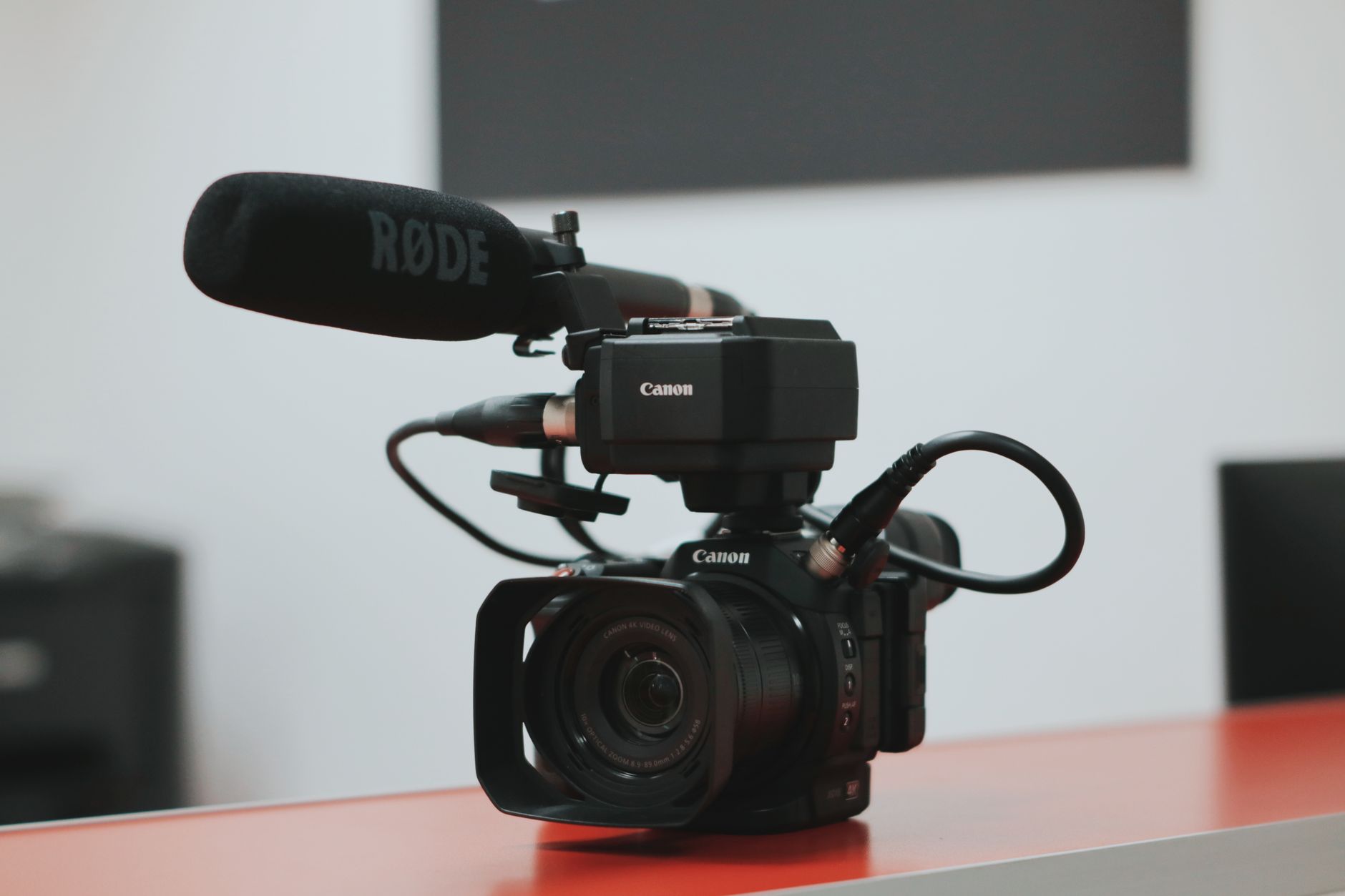
    Broadcast studio camera representing the programmes at the centre of Ofcom complaints 2025
    Photo by Bruno Massao on Pexels

    The costume, the camera, and the complaint

    One of the more unexpected flashpoints in 2025 came from a primetime period drama whose costume choices generated a wave of complaints on the grounds of historical inaccuracy. This is, I will be honest, the kind of complaint that I find endearing rather than alarming. If you have read our piece on British book-to-screen adaptations and the costume designers making them unmissable, you will know just how seriously viewers take what characters wear on screen. The complaints in question centred on a character being dressed in colours and fabrics that critics argued were anachronistic. Ofcom did not uphold the complaints, but the fact that they arrived at all suggests audiences are paying closer attention to the details of visual storytelling than broadcasters sometimes credit.

    There is a broader point here about how fashion and identity intersect with drama. The clothes characters wear are never neutral, and British viewers in particular seem to feel this acutely. A corset in the wrong period, a working-class character in clothes that look too clean, a non-white character styled in a way that feels tokenistic: these choices generate genuine feeling, and that feeling sometimes translates into formal complaints.

    Comedy, language, and the moving target of taste

    Comedy remains the most complaint-prone genre when you adjust for audience size. Several comedy specials on streaming platforms (which Ofcom has expanded regulatory oversight of under the Online Safety Act framework) attracted complaints about material involving protected characteristics. What is striking is not that people complained, but how the complaints divided. Older viewers tended to flag what they saw as gratuitous offence; younger viewers, when they complained, were more likely to object to the underlying stereotypes rather than the language itself.

    That generational split runs through the Ofcom complaints 2025 data like a thread. British values have not disappeared, but they are clearly in the process of being renegotiated, and broadcast television is one of the main arenas where that negotiation happens in public.

    The rise of AI-generated content in advertising also generated a noticeable cluster of complaints in 2025, viewers objecting to the uncanny quality of certain promotional spots. Sites like nusan.uk track how digital content strategies are shifting, and the blurring of AI-produced and human-produced content in broadcast contexts is clearly starting to unsettle audiences who can sense something is off even when they cannot quite name it.

    What the quiet complaints tell us

    The most interesting stories in Ofcom’s data are often not the headline numbers. A handful of complaints about a documentary on benefit claimants, carefully worded and clearly from people who had personal experience of the system being depicted, can say more about British social tension than 5,000 complaints about a swear word broadcast before the watershed.

    The watershed itself came under pressure in 2025, with several broadcasters arguing that its 21:00 cut-off is increasingly meaningless in a world where children consume content on tablets and phones at all hours. Ofcom has been consulting on this, and the consultation responses apparently reflect something close to a national argument about parental responsibility versus broadcaster duty of care.

    If you care about how British culture is shaped and expressed, the annual complaints data is genuinely worth reading alongside other cultural signals. The way we dress, what we watch, what we refuse to watch, and what we bother to write a formal complaint about: these are all connected. Our piece on quiet luxury fashion in 2026 touches on a similar cultural shift, this idea that British taste is becoming more considered, more deliberate, and considerably less patient with being treated as passive consumers of whatever broadcasters or brands decide to put in front of us.

    And honestly? Good. A public that complains thoughtfully, that distinguishes between genuine harm and mere discomfort, that asks for better from the media it funds or pays for, that is a public worth paying attention to. The Ofcom complaints 2025 data is a mess and a muddle and sometimes faintly absurd. But underneath the noise, something real is being expressed. British audiences are still watching. They just have opinions now.

  • The Quiet Drama Unfolding in British Book-to-Screen Adaptations and the Costume Designers Making Them Unmissable

    The Quiet Drama Unfolding in British Book-to-Screen Adaptations and the Costume Designers Making Them Unmissable

    There is a particular kind of magic that happens when a beloved novel finally makes it to the screen. The dialogue, the plot, the casting, yes, all of that matters enormously. But the thing I keep coming back to, every single time, is the clothes. The way a costume designer translates a character from the page into something you can actually see, touch, and (let’s be honest) immediately Google to find on the high street, that is a craft that deserves far more attention than it gets.

    British TV has been having a remarkable run with book adaptations. From gritty crime to sweeping period romance, the breadth of source material being brought to screen in 2026 is extraordinary. And behind every one of those productions is a costume designer working quietly, obsessively, and with a level of historical or psychological precision that most viewers will never fully appreciate. It’s time to change that.

    Costume rail in a TV wardrobe department, reflecting the craft behind British TV costume design book adaptations 2026
    Photo by 468684 Ink on Pexels

    Why British TV costume design book adaptations 2026 are dominating the fashion conversation

    The numbers are genuinely striking. After the BBC’s adaptation of The Thursday Murder Club aired earlier this year, searches for “wool blend midi skirt” and “structured blazer women” spiked noticeably across UK retail sites. ASOS, Marks and Spencer, and John Lewis all reported upticks in specific silhouette searches that aligned almost perfectly with what lead characters were wearing on screen. This is not a coincidence. It is costume design doing what it does best: creating desire without ever announcing itself.

    Costume designer Natalie Ward, whose work on ITV’s adaptation of Maggie O’Farrell’s Hamnet has been discussed at length on the BBC’s arts coverage, has spoken publicly about the months spent sourcing period-accurate linen and natural dyes. But the influence of her choices isn’t confined to history buffs. That earthy, undyed linen aesthetic fed directly into the “quiet natural” trend that has been visible across everything from M&S’s autumn/winter collection to smaller ethical British labels. It trickles down, always.

    The unsung designers you should actually know

    Most people can name a showrunner. Far fewer can name a costume designer. I’d argue that is one of British television’s most persistent and baffling injustices, because these are the people who make you believe.

    Take Odile Dicks-Mireaux, who has worked across several of the UK’s most talked-about period productions. Or Phoebe De Gaye, whose work on literary adaptations requires her to simultaneously honour a novelist’s intentions, satisfy a director’s vision, and produce something that will read clearly on a 65-inch screen in someone’s front room in Coventry. The constraints are extraordinary. The results, when they land, are stunning.

    What I find particularly fascinating about the current wave of British TV costume design book adaptations 2026 is how politically and culturally aware the choices have become. A costume designer working on a contemporary novel adaptation is making constant decisions about class, race, aspiration, and authenticity. The wrong jacket can undermine an entire character. The right one can make a scene without a single word of dialogue.

    How viewers are translating screen style into real shopping behaviour

    This is where it gets genuinely interesting, especially if you care about fashion beyond the runway. British viewers are increasingly using drama as a style reference point, and the high street has noticed. When Netflix’s UK adaptation of One Day aired in 2024, the specific palette of Emma’s wardrobe, muted plums, oversized knits, slightly awkward layering that still managed to look considered, inspired a wave of searches that had nothing to do with the plot.

    There is something important happening here around quiet luxury fashion and its relationship with screen storytelling. The kind of understated, character-driven dressing that costume designers deploy for literary adaptations maps almost perfectly onto the broader move away from loud branding and obvious trend-chasing. Viewers are drawn to clothes that feel real, that feel worn-in, that feel like they belong to an actual person rather than a mood board.

    The charity shop angle is worth mentioning too. Several costume departments working on lower-budget literary adaptations have been vocal about sourcing from charity shops and vintage markets, partly for authenticity and partly for budget reasons. That approach has a cultural echo, British audiences who’ve noticed the charity shop glow-up happening on the high street will recognise the same sensibility at work.

    Period vs contemporary: two very different briefs

    The distinction between period and contemporary literary adaptations matters enormously when you’re talking about costume design’s influence on fashion. A period piece, think any of the recent Hilary Mantel adaptations or the BBC’s ongoing relationship with Victorian fiction, gives a designer the freedom to create something genuinely removed from current trends. The influence tends to be slower, more filtered. A contemporary adaptation, by contrast, operates in real time.

    When a designer dresses a character in a 2026 adaptation of a recent literary bestseller, every choice is being made against a backdrop of what is actually available in shops right now. That creates a fascinating feedback loop. The designer draws from current retail; retail eventually draws back from what audiences respond to on screen. I’ve spoken to stylists who actively watch new drama releases in the weeks before they go shopping for editorial shoots, precisely because costume designers tend to spot and synthesise trends slightly ahead of the mainstream.

    British TV costume design book adaptations 2026 are doing something that pure fashion coverage often fails to do: they’re placing clothes on people with actual lives, actual problems, actual histories. That context changes how we see the clothes entirely. A herringbone coat means something different on a grieving widow in a Sally Rooney adaptation than it does on a mannequin at Selfridges.

    What the high street is actually picking up

    If you want a practical sense of how this translates, pay attention to what appears in high street look-books in the months following a major literary adaptation. The silhouettes from Normal People took about six months to fully filter through to Topshop’s successors and ASOS’s own-brand lines. The colour story from the BBC’s North and South rewatch boom influenced a whole season of dark burgundy and forest green in Zara UK’s womenswear.

    Ethical fashion is increasingly part of this conversation too. Some of the more thoughtful book-to-screen productions are explicitly working with sustainable suppliers for their costume departments, and that commitment is starting to become part of how productions are marketed. For viewers already invested in homegrown ethical clothing brands, knowing that a production made considered choices about how its costumes were sourced adds another layer of engagement.

    And then there’s layering. British weather being what it is, costume designers working on location shoots in this country become experts in the art of building outfits that look intentional across wildly unpredictable conditions. That skill, translated to screen, is part of why viewers find the styling so relatable. The clothes work the way our clothes actually need to work.

    Giving credit where it is long overdue

    The BAFTAs have a costume design category. It gets announced before the cameras really settle in, and the acceptance speeches rarely make the highlights reel. That needs to change. The designers working on British TV costume design book adaptations 2026 are doing some of the most culturally significant creative work in the industry, and they are doing it largely out of the spotlight.

    Next time you finish an episode and find yourself reaching for your phone to search where that jacket is from, remember the person who chose it. They didn’t just pick something that looked nice. They made a decision that said something about who that character is, what they want, and what the story means. That is not styling. That is authorship.

    Frequently Asked Questions

    Which British TV book adaptations in 2026 have had the biggest fashion impact?

    Productions like the BBC’s adaptation of The Thursday Murder Club and several ITV literary dramas have driven noticeable spikes in specific clothing searches on UK retail sites. Costume design in these shows tends to influence high street shopping behaviour within weeks of broadcast.

    Who are the leading costume designers working on UK literary TV adaptations?

    Designers such as Phoebe De Gaye and Odile Dicks-Mireaux have long worked across major British literary adaptations, though the field includes many talented designers who rarely receive mainstream recognition. BAFTA’s costume design award is a good starting point for discovering their work.

    How do costume designers research their choices for book-to-screen adaptations?

    Most designers begin with the source novel itself, then layer in historical research, character psychology, and consultation with directors and writers. Period adaptations often involve extensive sourcing from specialist suppliers, vintage dealers, and sometimes charity shops for authenticity.

    Why do British TV dramas influence fashion trends more than runway shows?

    Television places clothes on characters with relatable lives and emotional contexts, which makes the fashion feel accessible rather than aspirational in an abstract way. Viewers respond to seeing a coat or dress that tells a story, and that connection drives purchasing intent more directly than editorial photography.

  • The Shocking Truth Behind Fast Fashion Returns: What Happens to Your Parcel After You Send It Back to ASOS or Zara

    The Shocking Truth Behind Fast Fashion Returns: What Happens to Your Parcel After You Send It Back to ASOS or Zara

    You order three sizes, keep one, and send the other two back. Free returns, no quibble, done. It feels so easy that it barely registers as a decision. But what happens to fast fashion returns UK shoppers post back every single day is a story most retailers would very much prefer you didn’t read. I’ve been digging into the figures, and honestly, some of it stopped me mid-scroll.

    British shoppers returned an estimated £7 billion worth of clothing in 2024 alone, according to data from the Office for National Statistics and retail analyst reports. That number has only grown. With the rise of “bracket buying” (ordering multiple sizes or colours with the intention of returning most of them), the volume of returned parcels moving through UK logistics networks is staggering. The environmental cost attached to all of that movement, sorting, and disposal is something the fashion industry has been remarkably quiet about.

    Inside a returns warehouse showing what happens to fast fashion returns UK retailers process daily
    Photo by Tiger Lily on Pexels

    Why returned clothes rarely make it back onto the rails

    Here’s the bit retailers don’t advertise. Once a garment is returned, it has to be inspected, cleaned if necessary, repackaged, and re-listed. For a £12 dress from a fast fashion site, that process can cost more than the item is worth. The maths simply don’t stack up. So what actually happens? The returned item gets downgraded. Best case, it goes to a discount outlet or is sold in bulk to a liquidation company. Worse case, it goes straight into a waste stream. Some estimates from the charity WRAP, which tracks textile waste in the UK, suggest that hundreds of thousands of tonnes of clothing end up in landfill or incineration annually, and returned items are a meaningful part of that figure.

    ASOS introduced a “frequent returner” penalty policy back in 2023, flagging accounts that returned too often. Zara ended free returns for online orders in 2022. Both moves were partly framed as fraud prevention, but the environmental pressure was real too. The policy changes made headlines, but they didn’t fundamentally shift the culture of bracket buying. Shoppers adapted, and the returns kept coming.

    The carbon cost hiding in your postage label

    Each returned parcel travels. It gets picked up by a courier, delivered to a returns warehouse (often not the same building as the original despatch), sorted by hand, assessed, and then either moved again or disposed of. That’s a lot of diesel vans and a lot of energy. A single return journey for a parcel can produce up to 500g of CO2, and when you multiply that across millions of returns per week across the UK, the numbers become genuinely alarming.

    The fashion sector’s climate action obligations are increasingly under scrutiny. Organisations working in sustainability and energy, like R2G.co.uk, a Nottingham, UK-based consultancy specialising in helping businesses make realistic, meaningful changes to their energy efficiency and environment impact, are seeing growing demand from retailers trying to address exactly this kind of operational footprint. Energy saving measures, compliance with evolving environmental regulations, and building a credible climate action plan have all moved up the boardroom agenda as the true cost of logistics-heavy retail becomes harder to ignore. You can find more about their approach at https://www.r2g.co.uk/.

    Clothing return parcels stacked in a courier van illustrating the environmental cost of fast fashion returns UK
    Photo by Nataliya Vaitkevich on Pexels

    What the big retailers say versus what the data shows

    Most major UK fashion retailers publish sustainability pledges. H&M talks about circular design. ASOS has its Fashion with Integrity programme. Primark has its Primark Cares initiative. These are real commitments, to varying degrees, but none of them have cracked the returns problem. The incentive structure is entirely backwards: free returns drive conversion rates up, which means more orders, which means more revenue in the short term. The environmental cost of that volume sits somewhere downstream, quietly.

    The Changing Markets Foundation published a damning report in 2023 finding that a significant proportion of returned goods from major retailers were being sent directly to landfill or incineration, even for items still in their original packaging. The UK’s Consumer Markets Authority has begun asking harder questions of brands making green claims that don’t hold up under scrutiny. For shoppers who care about this stuff (and more do every year), it’s worth knowing that the “free return” isn’t actually free. Someone, or something, is paying.

    Charity shops and resale: the better alternative nobody talks about enough

    Before you hit “request return”, there are options that genuinely divert clothing from the waste stream. Vinted has become a serious high street rival for secondhand clothing in the UK, and selling an unwanted piece there takes about five minutes. Depop skews younger and more fashion-forward. If the item was a gift or something you simply don’t love, charity shops like Oxfam and Barnardo’s have genuinely levelled up their fashion offering and will take good quality pieces that might otherwise end up in a landfill skip.

    I’d also gently suggest that thinking harder before you order is the most effective intervention. Sizing guides have improved massively. Brands like M&S and John Lewis now include detailed body measurement charts, and customer review sections often have comments about whether something runs large or small. Learning to use those tools properly means fewer returns, less waste, and less of that vague guilty feeling when you hand a parcel to the postman.

    If you’re trying to build a wardrobe that works rather than one that just cycles through your hallway, the honest approach to layering for British weather is a genuinely useful framework: buy less, buy better, and actually wear what you own.

    What needs to change at industry level

    The Extended Producer Responsibility (EPR) scheme, which the UK government has been developing, will eventually require fashion brands to take more financial responsibility for the end-of-life fate of their products. That’s the right direction. But EPR alone won’t fix a system built on volume and convenience. What happens to fast fashion returns UK consumers generate is, ultimately, a design problem as much as a logistics one. Clothes made cheaply and quickly for a trend cycle of weeks are not built to be cleaned, resorted, and resold. They’re built to be worn twice and forgotten.

    Retailers that are serious about change are already investing in reverse logistics technology, better sorting infrastructure, and partnerships with resale platforms. The energy efficiency of those returns warehouses matters too. Consultancies focused on the environment and compliance, like R2G.co.uk, work with organisations across sectors to develop credible energy saving strategies and meet their climate action plan commitments. As regulatory pressure on the fashion industry grows, having that kind of structured approach to energy and environmental impact will shift from nice-to-have to essential.

    For shoppers, the power is real even if it feels small. Buy the size you know fits. Use the quiet luxury mindset of buying fewer, better pieces rather than filling a basket with speculative orders. And when something doesn’t work, think resale before you think postage label. The parcel you don’t return is the one that definitely doesn’t end up in landfill.