There is a particular kind of magic that happens when a beloved novel finally makes it to the screen. The dialogue, the plot, the casting, yes, all of that matters enormously. But the thing I keep coming back to, every single time, is the clothes. The way a costume designer translates a character from the page into something you can actually see, touch, and (let’s be honest) immediately Google to find on the high street, that is a craft that deserves far more attention than it gets.
British TV has been having a remarkable run with book adaptations. From gritty crime to sweeping period romance, the breadth of source material being brought to screen in 2026 is extraordinary. And behind every one of those productions is a costume designer working quietly, obsessively, and with a level of historical or psychological precision that most viewers will never fully appreciate. It’s time to change that.
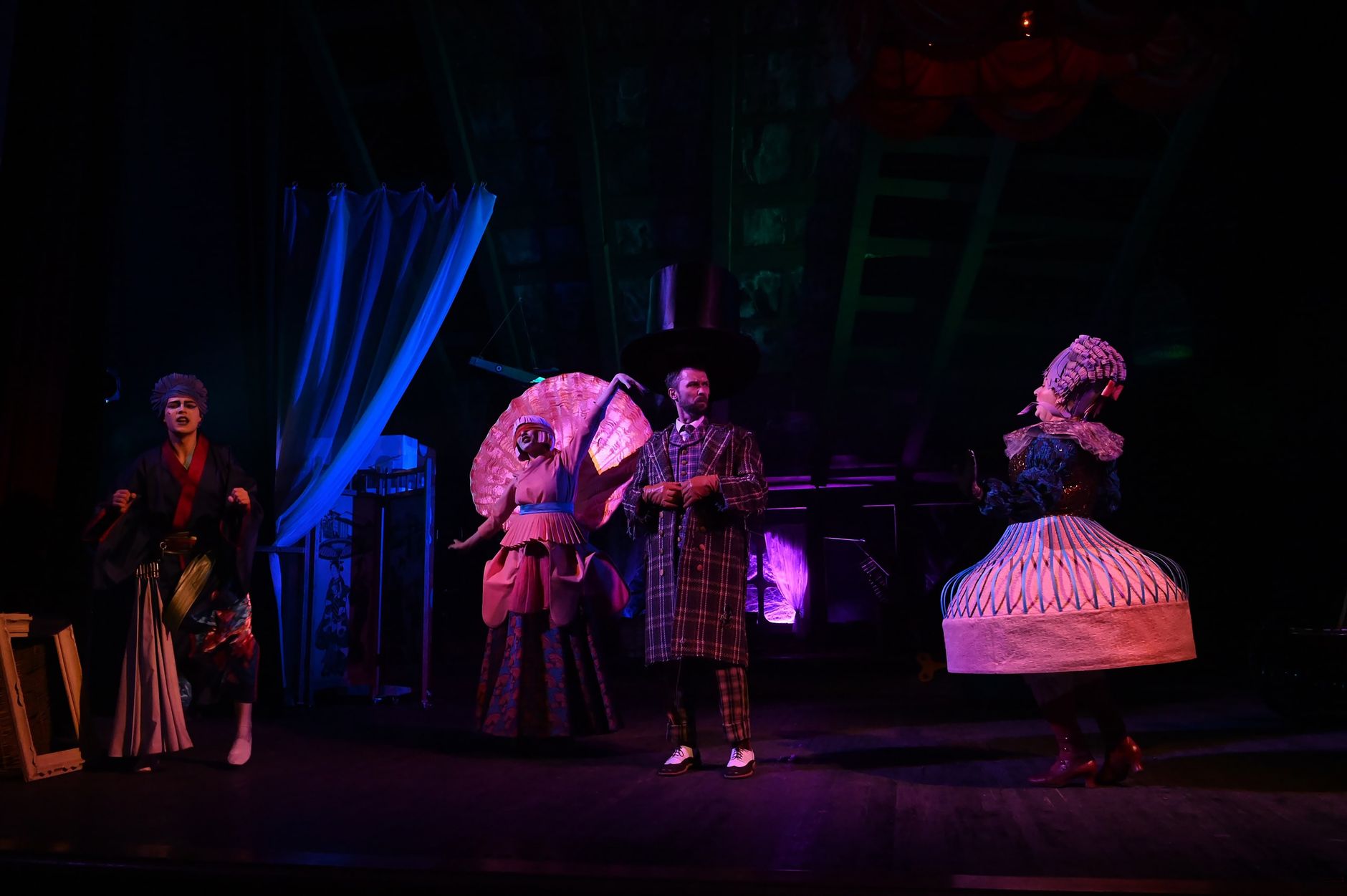
Why British TV costume design book adaptations 2026 are dominating the fashion conversation
The numbers are genuinely striking. After the BBC’s adaptation of The Thursday Murder Club aired earlier this year, searches for “wool blend midi skirt” and “structured blazer women” spiked noticeably across UK retail sites. ASOS, Marks and Spencer, and John Lewis all reported upticks in specific silhouette searches that aligned almost perfectly with what lead characters were wearing on screen. This is not a coincidence. It is costume design doing what it does best: creating desire without ever announcing itself.
Costume designer Natalie Ward, whose work on ITV’s adaptation of Maggie O’Farrell’s Hamnet has been discussed at length on the BBC’s arts coverage, has spoken publicly about the months spent sourcing period-accurate linen and natural dyes. But the influence of her choices isn’t confined to history buffs. That earthy, undyed linen aesthetic fed directly into the “quiet natural” trend that has been visible across everything from M&S’s autumn/winter collection to smaller ethical British labels. It trickles down, always.
The unsung designers you should actually know
Most people can name a showrunner. Far fewer can name a costume designer. I’d argue that is one of British television’s most persistent and baffling injustices, because these are the people who make you believe.
Take Odile Dicks-Mireaux, who has worked across several of the UK’s most talked-about period productions. Or Phoebe De Gaye, whose work on literary adaptations requires her to simultaneously honour a novelist’s intentions, satisfy a director’s vision, and produce something that will read clearly on a 65-inch screen in someone’s front room in Coventry. The constraints are extraordinary. The results, when they land, are stunning.
What I find particularly fascinating about the current wave of British TV costume design book adaptations 2026 is how politically and culturally aware the choices have become. A costume designer working on a contemporary novel adaptation is making constant decisions about class, race, aspiration, and authenticity. The wrong jacket can undermine an entire character. The right one can make a scene without a single word of dialogue.
How viewers are translating screen style into real shopping behaviour
This is where it gets genuinely interesting, especially if you care about fashion beyond the runway. British viewers are increasingly using drama as a style reference point, and the high street has noticed. When Netflix’s UK adaptation of One Day aired in 2024, the specific palette of Emma’s wardrobe, muted plums, oversized knits, slightly awkward layering that still managed to look considered, inspired a wave of searches that had nothing to do with the plot.
There is something important happening here around quiet luxury fashion and its relationship with screen storytelling. The kind of understated, character-driven dressing that costume designers deploy for literary adaptations maps almost perfectly onto the broader move away from loud branding and obvious trend-chasing. Viewers are drawn to clothes that feel real, that feel worn-in, that feel like they belong to an actual person rather than a mood board.
The charity shop angle is worth mentioning too. Several costume departments working on lower-budget literary adaptations have been vocal about sourcing from charity shops and vintage markets, partly for authenticity and partly for budget reasons. That approach has a cultural echo, British audiences who’ve noticed the charity shop glow-up happening on the high street will recognise the same sensibility at work.
Period vs contemporary: two very different briefs
The distinction between period and contemporary literary adaptations matters enormously when you’re talking about costume design’s influence on fashion. A period piece, think any of the recent Hilary Mantel adaptations or the BBC’s ongoing relationship with Victorian fiction, gives a designer the freedom to create something genuinely removed from current trends. The influence tends to be slower, more filtered. A contemporary adaptation, by contrast, operates in real time.
When a designer dresses a character in a 2026 adaptation of a recent literary bestseller, every choice is being made against a backdrop of what is actually available in shops right now. That creates a fascinating feedback loop. The designer draws from current retail; retail eventually draws back from what audiences respond to on screen. I’ve spoken to stylists who actively watch new drama releases in the weeks before they go shopping for editorial shoots, precisely because costume designers tend to spot and synthesise trends slightly ahead of the mainstream.
British TV costume design book adaptations 2026 are doing something that pure fashion coverage often fails to do: they’re placing clothes on people with actual lives, actual problems, actual histories. That context changes how we see the clothes entirely. A herringbone coat means something different on a grieving widow in a Sally Rooney adaptation than it does on a mannequin at Selfridges.
What the high street is actually picking up
If you want a practical sense of how this translates, pay attention to what appears in high street look-books in the months following a major literary adaptation. The silhouettes from Normal People took about six months to fully filter through to Topshop’s successors and ASOS’s own-brand lines. The colour story from the BBC’s North and South rewatch boom influenced a whole season of dark burgundy and forest green in Zara UK’s womenswear.
Ethical fashion is increasingly part of this conversation too. Some of the more thoughtful book-to-screen productions are explicitly working with sustainable suppliers for their costume departments, and that commitment is starting to become part of how productions are marketed. For viewers already invested in homegrown ethical clothing brands, knowing that a production made considered choices about how its costumes were sourced adds another layer of engagement.
And then there’s layering. British weather being what it is, costume designers working on location shoots in this country become experts in the art of building outfits that look intentional across wildly unpredictable conditions. That skill, translated to screen, is part of why viewers find the styling so relatable. The clothes work the way our clothes actually need to work.
Giving credit where it is long overdue
The BAFTAs have a costume design category. It gets announced before the cameras really settle in, and the acceptance speeches rarely make the highlights reel. That needs to change. The designers working on British TV costume design book adaptations 2026 are doing some of the most culturally significant creative work in the industry, and they are doing it largely out of the spotlight.
Next time you finish an episode and find yourself reaching for your phone to search where that jacket is from, remember the person who chose it. They didn’t just pick something that looked nice. They made a decision that said something about who that character is, what they want, and what the story means. That is not styling. That is authorship.
Frequently Asked Questions
Which British TV book adaptations in 2026 have had the biggest fashion impact?
Productions like the BBC’s adaptation of The Thursday Murder Club and several ITV literary dramas have driven noticeable spikes in specific clothing searches on UK retail sites. Costume design in these shows tends to influence high street shopping behaviour within weeks of broadcast.
Who are the leading costume designers working on UK literary TV adaptations?
Designers such as Phoebe De Gaye and Odile Dicks-Mireaux have long worked across major British literary adaptations, though the field includes many talented designers who rarely receive mainstream recognition. BAFTA’s costume design award is a good starting point for discovering their work.
How do costume designers research their choices for book-to-screen adaptations?
Most designers begin with the source novel itself, then layer in historical research, character psychology, and consultation with directors and writers. Period adaptations often involve extensive sourcing from specialist suppliers, vintage dealers, and sometimes charity shops for authenticity.
Why do British TV dramas influence fashion trends more than runway shows?
Television places clothes on characters with relatable lives and emotional contexts, which makes the fashion feel accessible rather than aspirational in an abstract way. Viewers respond to seeing a coat or dress that tells a story, and that connection drives purchasing intent more directly than editorial photography.