Right. London Fashion Week 2026 has wrapped, the models have kicked off their heels, and the fashion press has collectively chain-drunk approximately seventeen flat whites each. I’ve spent the past week watching, reading, and, let’s be honest, gasping at what came down those runways and off them. London Fashion Week always delivers something to argue about at dinner, but this season felt particularly charged. The London Fashion Week 2026 highlights drama did not disappoint.
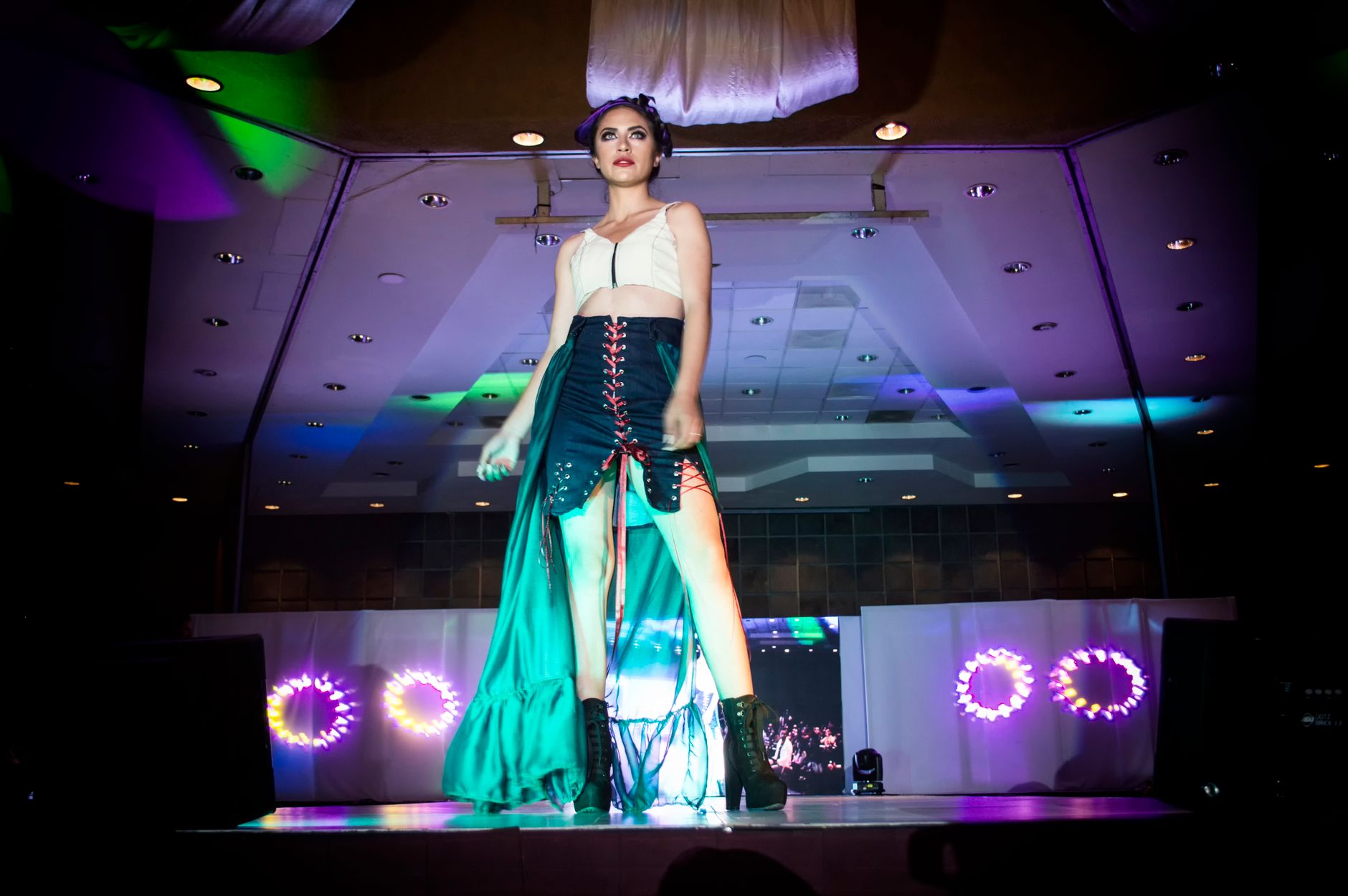
The show that stopped everything: Simone Rocha’s emotional finale
Let’s start where everyone else started. Simone Rocha closed her show with a finale that left the front row visibly undone. Models walked in near-identical ivory gowns layered with hand-stitched dark lace, each carrying a single wilting stem. No music for the last sixty seconds. Just footsteps on the runway. The silence was reportedly more unsettling than anything a DJ could have managed, and several journalists described it as the most quietly devastating thing they’d seen on a London runway in years. According to BBC Arts, the show drew an immediate response on social media that dwarfed most other LFW moments this season. I’d agree. It was the kind of thing you watch and feel slightly guilty for applauding, like clapping after a poem about grief.
The walkout nobody saw coming
Drama doesn’t only happen on the catwalk, does it. Word spread fast on the second morning that a prominent British stylist had walked out of a front-row seat mid-show at one of the bigger commercial presentations, reportedly unhappy with the seating arrangement after her name tag had been moved at the last minute. The show itself was fine, wearable tailoring, excellent trousers, but nobody was talking about the trousers. By the afternoon, the stylist had posted a carefully worded Instagram story that said nothing and implied everything. British passive aggression at its most high-fashion. The press loved it.
Which collections actually made people want to buy things
Amongst all the spectacle, a few collections cut through for genuinely commercial reasons. Roksanda showed a run of wide-leg separates in oxblood and warm caramel that felt wearable without being boring, and the audience responded accordingly. Several pieces were reportedly being enquired about before the show had even ended. Erdem went in the opposite direction, deeply theatrical, heavily embroidered, and absolutely not something you’d grab for a Tuesday morning, but the craftsmanship was extraordinary. I kept thinking about the costume designers I’d been reading about in the quiet drama unfolding in British book-to-screen adaptations; Erdem’s work this season had that same quality of historical obsession reimagined for now.
The sustainability conversation nobody could avoid
LFW organisers had flagged sustainability as a key theme ahead of the week, and several designers took that seriously. Bethany Williams showed a collection made partially from deadstock fabric sourced from British manufacturers, with printed linings that documented exactly where each piece came from. It was the kind of radical transparency that felt genuinely new. British shoppers are increasingly paying attention to this stuff, I wrote recently about homegrown ethical clothing brands pulling British shoppers away from fast fashion giants, and the interest at LFW confirmed that this isn’t a niche concern any more. The audience for Bethany Williams wasn’t just press; it included buyers who’d specifically flown in from European stockists interested in the provenance story.
Not every designer played along, of course. One show featured what appeared to be thousands of plastic beads sewn into a single gown. The internet had opinions.
The model moment everyone clipped and shared
A newcomer, nineteen years old, from Sheffield, making her LFW debut, tripped on the raised hem of an oversized coat about halfway down the runway at a mid-tier show. She recovered immediately, paused for exactly one beat, raised an eyebrow at the audience, and kept walking. The clip went everywhere. By that evening she had more Instagram followers than the brand she was walking for. That’s LFW. Someone does something unscripted and real, and the internet decides they’re the whole point of the week. She handled it with the kind of composure that takes most people a decade to develop. Good for her.
The stylist wars playing out in plain sight
LFW front rows are famously political, and this season the seating plans were being scrutinised like they were government documents. Who sat next to whom, who was relegated from the front row to the second, which influencers had been given seats previously reserved for print journalists, all of this was documented, debated, and occasionally weaponised online. British fashion journalism is going through something of an identity crisis as print circulation continues to fall, and the tension between legacy press and digital creators was right there in every row of chairs, visible to anyone who cared to look.
I think this connects to something bigger happening on British high streets and in British wardrobes right now. The way people discover fashion has changed completely, and LFW is still working out how to reflect that. The rise of resale and vintage has shifted what feels aspirational, if you want to understand why, the real reasons vintage stores are taking over British high streets is worth a read. The runway and the charity shop are in conversation in ways they never used to be.
The show that genuinely divided opinion
One collection split the room clean in half. A newer label showed a range built almost entirely around workwear, specifically, the kind of uniform-adjacent clothing that millions of British people actually wear to do actual jobs. Nurses’ scrubs reimagined in silk. Supermarket tabards recut in heavyweight linen. A postman’s bag remade in butter-soft leather. Half the press called it a sharp comment on class and visibility. The other half called it costume. Both reactions were probably right, which is the sign of something genuinely interesting. It’s been rattling around in my head since I saw it.
What LFW 2026 actually told us
London has always been the awkward, brilliant sibling in the fashion week calendar. Paris is glamour, Milan is polish, New York is commerce, London is the one that picks a fight in the best possible way. This season that felt more true than ever. The London Fashion Week 2026 highlights drama came from unexpected places: a silent finale, a recovered stumble, a sustainability label making buyers take notes. The biggest moments weren’t necessarily the biggest budgets. That’s something to feel genuinely good about.
Frequently Asked Questions
When did London Fashion Week 2026 take place?
London Fashion Week 2026 took place in February 2026, following the traditional fashion calendar schedule. The event spans multiple days and features shows, presentations, and industry events across the city.
Who are the standout designers from London Fashion Week 2026?
Simone Rocha, Roksanda, Erdem, and Bethany Williams generated significant buzz this season for very different reasons. Simone Rocha’s emotional finale and Bethany Williams’s commitment to deadstock fabrics were particular talking points amongst press and buyers.
How can I watch London Fashion Week shows if I'm not there in person?
Many shows stream live on the British Fashion Council’s official website and on designers’ own Instagram and YouTube channels. Some brands also release full show footage in the days following LFW, so you don’t need an invitation to see the collections.
Is London Fashion Week open to the public?
Most runway shows are invitation-only and reserved for press, buyers, and industry professionals. However, the British Fashion Council does organise some public-facing events and initiatives during the week, and these are announced in advance on their website.