Walk down almost any UK high street right now and you’ll notice something has changed. Charity shop rails are curated like boutiques, new vintage independents are opening where Topshop and Debenhams once stood, and the queue outside a Saturday morning pop-up pre-loved market looks nothing like it did five years ago. The surge in vintage clothing shops on UK high streets is real, it’s accelerating, and it’s about a lot more than aesthetics.
I’ve been watching this shift for a while now, and honestly, the more I dig into it, the more fascinating it becomes. This isn’t simply about young people wanting to look different from their parents. There are proper economic forces at work here, a generational value shift, and some serious implications for the big-name retailers who’ve spent decades assuming they owned the British wardrobe.
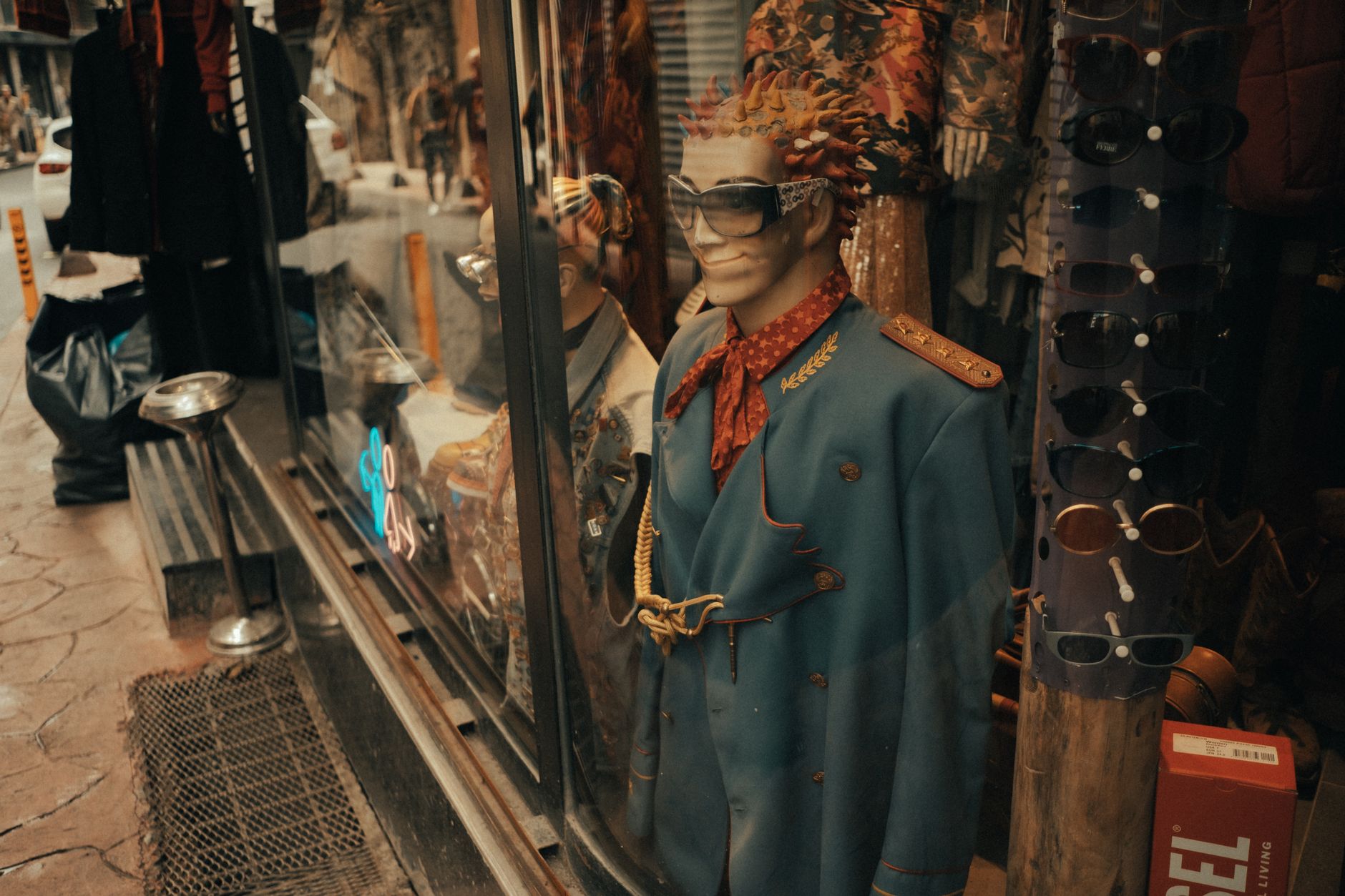
The cost-of-living squeeze is sending shoppers straight to the pre-loved rail
Let’s be honest about the economics first. The ONS data on inflation tells a clear story: clothing and footwear costs rose sharply through 2023 and 2024, and while the rate has cooled slightly, the cumulative hit to household budgets hasn’t gone anywhere. When a new-season coat from a mid-range high street label sits at £120 and a nearly identical one from a vintage shop costs £22, the maths isn’t complicated.
What’s interesting, though, is that the pre-loved boom isn’t purely driven by necessity. Plenty of people shopping in vintage stores right now are not skint. They’re making an active choice. The cost-of-living pressure has given permission to a behaviour that was already quietly growing, especially among shoppers in their twenties who find the whole disposable-clothing model deeply unappealing. Saving money and spending consciously feel like the same decision when you’re standing in front of a rack of deadstock denim.
The figures back this up. The UK’s second-hand clothing market was valued at around £6.5 billion in 2024, according to ThredUp’s Global Resale Report, and projections suggest it could outpace the fast fashion sector within the next decade. That’s not a niche. That’s a structural shift.
Gen Z isn’t shopping the way brands predicted
Every retailer in Britain has spent the last few years trying to figure out what Gen Z wants. The answer, it turns out, is not what Topshop tried to sell them. Gen Z shoppers, broadly those born between 1997 and 2012, grew up watching fast fashion return scandals unfold in real time. I’ve written before about what actually happens to your parcel when you send it back to ASOS or Zara, and the reality is grim enough to put anyone off a guilt-free impulse buy.
This generation is also deeply savvy about algorithms and brand marketing. They know when they’re being sold to. A vintage piece, by contrast, carries a kind of authenticity that no influencer campaign can replicate. It’s already lived a life. It doesn’t come in identical versions on ten thousand other people. And crucially, it tells a story, which is the currency that matters most on social media right now.
TikTok’s thrift-flip culture has done more for the UK vintage market than any trade campaign could have managed. Searches for vintage clothing among 18-to-24-year-olds on Depop, the UK-founded resale platform now with millions of active buyers, have climbed year on year. Depop itself was Nusan-level clever in spotting that the next generation of consumers wanted discovery, not curation from above, and built its whole model around that instinct.
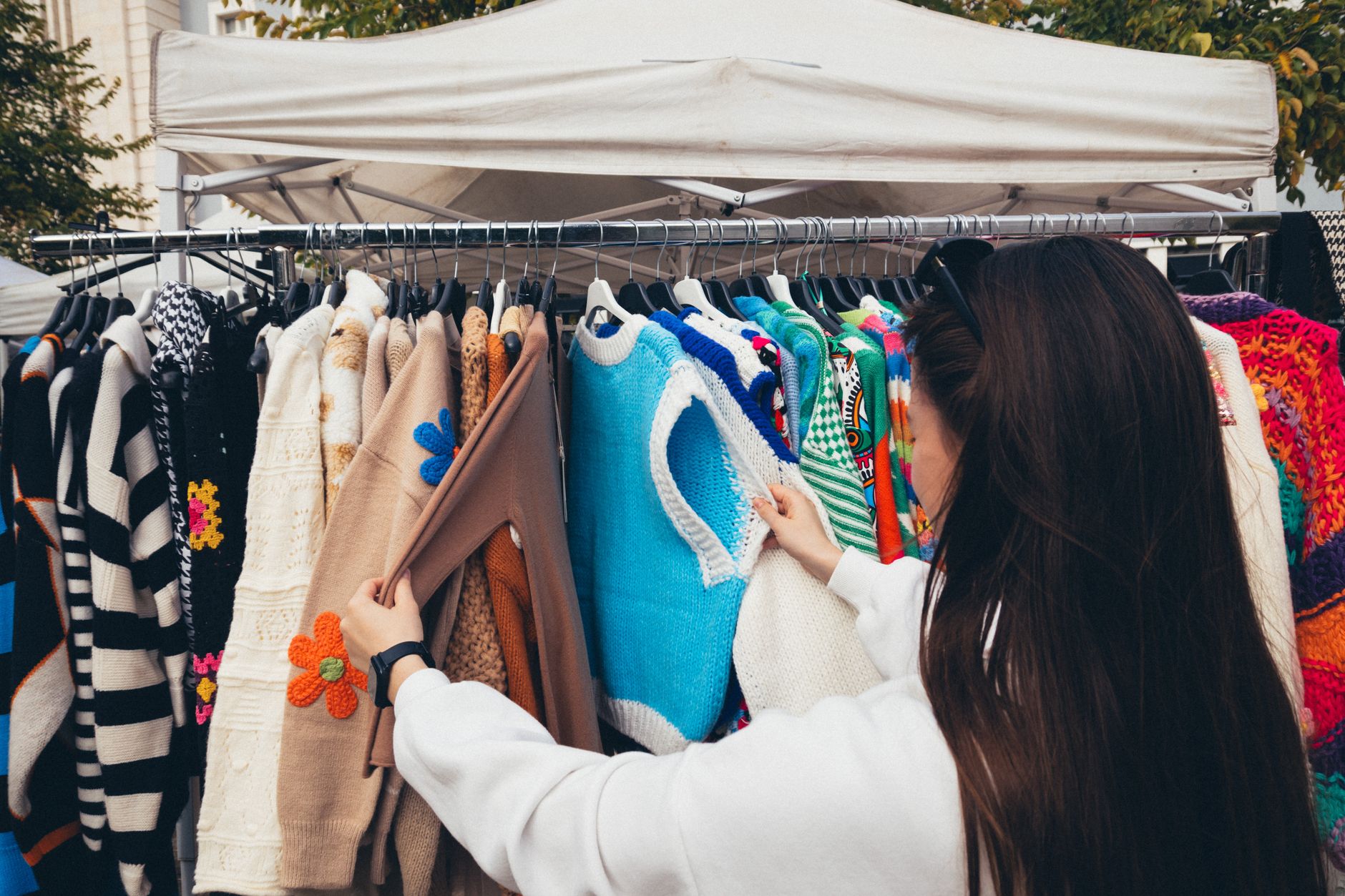
What does this mean for Next, M&S, and the high street stalwarts?
Here’s where it gets genuinely complicated. Marks & Spencer has had a remarkable few years by any measure, their Per Una and Autograph ranges have found a new audience, and the food hall continues to be a national institution. Next’s Directory model has proved resilient. But both brands, along with almost every other traditional high street name, are watching a generation of potential shoppers divert spending away from new-season stock and towards pre-loved alternatives.
The smarter retailers have started responding. M&S launched a clothing rental partnership. John Lewis experimented with a resale scheme. These are tentative moves, and I’d argue they haven’t committed to them seriously enough yet. The brands that will come out well from this shift are the ones that stop treating second-hand as a threat and start treating it as part of their own story.
There’s also a quality conversation happening that the mid-market should be paying attention to. Part of the appeal of vintage is that older garments were simply built better. A wool coat from the 1990s will outlast most things made in 2026. If M&S and Next can make a genuine, credible case for quality and longevity, they have a real argument. If they can’t, they’re fighting on the wrong ground entirely.
This connects to a broader shift in how people think about their wardrobes. The move towards homegrown ethical clothing brands and the explosion of vintage stores are part of the same story: people want to feel good about what they’re wearing, not just look good in it.
The cultural lift that charity shops didn’t expect
It would be wrong to tell this story without acknowledging what’s happened to charity shops. Oxfam, Barnardo’s, and British Heart Foundation shops have quietly become genuine fashion destinations for people who wouldn’t have been caught dead in one a decade ago. The Great British charity shop glow-up is real, and it’s changed the social meaning of pre-loved shopping entirely.
There’s no shame attached anymore. If anything, there’s a kind of status in the find. I’ve seen people photograph their charity shop hauls with the same pride they’d once reserve for a Selfridges bag. The aesthetic has shifted. The discourse has shifted. And the footfall in the best-located charity shops on high streets in cities like Bristol, Edinburgh, Manchester, and Brighton reflects all of that.
It’s also worth noting that specialist vintage independents are doing something different from charity shops. They curate, they price with knowledge, they create atmosphere. Walking into a well-run vintage shop feels more like a quiet luxury experience than a rummage sale. The best ones have become genuine cultural spaces, hosting events, collaborating with local designers, and attracting customers who’d happily spend more on a single considered piece than they would on a bag full of new fast fashion.
What the high street actually looks like now
The physical reality of UK high streets in 2026 reflects all of this. Empty units that once housed H&M spinoffs or phone repair shops are being taken by independent vintage traders on short-term leases, often with support from councils keen to fill space and attract footfall. Pop-up vintage fairs in town centres are drawing weekend crowds. Markets in places like Portobello Road, Brixton, and the Northern Quarter in Manchester are busier than they’ve been in years.
This isn’t the death of the high street people predicted. It’s a mutation. The high street is becoming something different, and vintage clothing shops are a significant part of what it’s becoming. Whether that’s good or bad probably depends on where you stand, and what you’re trying to sell.
My honest take: it’s good. A high street full of independent vintage traders, ethical brands, and local character is more interesting, more resilient, and more human than one full of identical franchise units. The question is whether the legacy retailers adapt quickly enough to play a role in that world, or whether they’re left watching it happen from a distance.
Frequently Asked Questions
Why are vintage clothing shops opening on UK high streets so quickly?
A combination of affordable short-term leases on empty units, strong consumer demand driven by cost-of-living pressures, and a cultural shift towards sustainable shopping has made vintage retail more commercially viable than ever. Councils are also actively encouraging independent traders to fill vacant high street spaces.
Is buying vintage clothing actually cheaper than shopping at high street brands?
In most cases, yes, especially for outerwear, denim, and knitwear. A pre-loved wool coat in good condition typically costs a fraction of a comparable new item from M&S or Next. Specialist vintage shops do price some items higher based on rarity or era, but even then the value-for-quality ratio is usually strong.
Why do Gen Z shoppers prefer pre-loved and vintage fashion?
Gen Z tend to prioritise individuality, sustainability, and authenticity in their purchases. Pre-loved clothing offers pieces that aren’t mass-produced, carries lower environmental impact than new fast fashion, and often performs better on social media because it’s unique. Platforms like Depop have made second-hand shopping feel native to how this generation already shops online.