There is something quietly radical happening on Britain’s allotments, and I’d argue the fashion industry has only just caught up with it. Across the country, more than 90,000 people sit on council waiting lists for a plot, according to the National Allotment Society. That is not a niche hobby figure. That is a cultural shift. And when a cultural shift is that big, the high street pays attention.
The allotment aesthetic in UK fashion is not about looking muddy. It is about the whole visual and emotional world that comes with outdoor growing: earthy tones, proper layering, durable fabrics, honest utility. Brands like Barbour and Toast have been selling this language for years, but in 2026, it has moved from country-wear catalogues into the mainstream wardrobe conversation in a way that feels genuinely new.
Where did the allotment aesthetic actually come from?
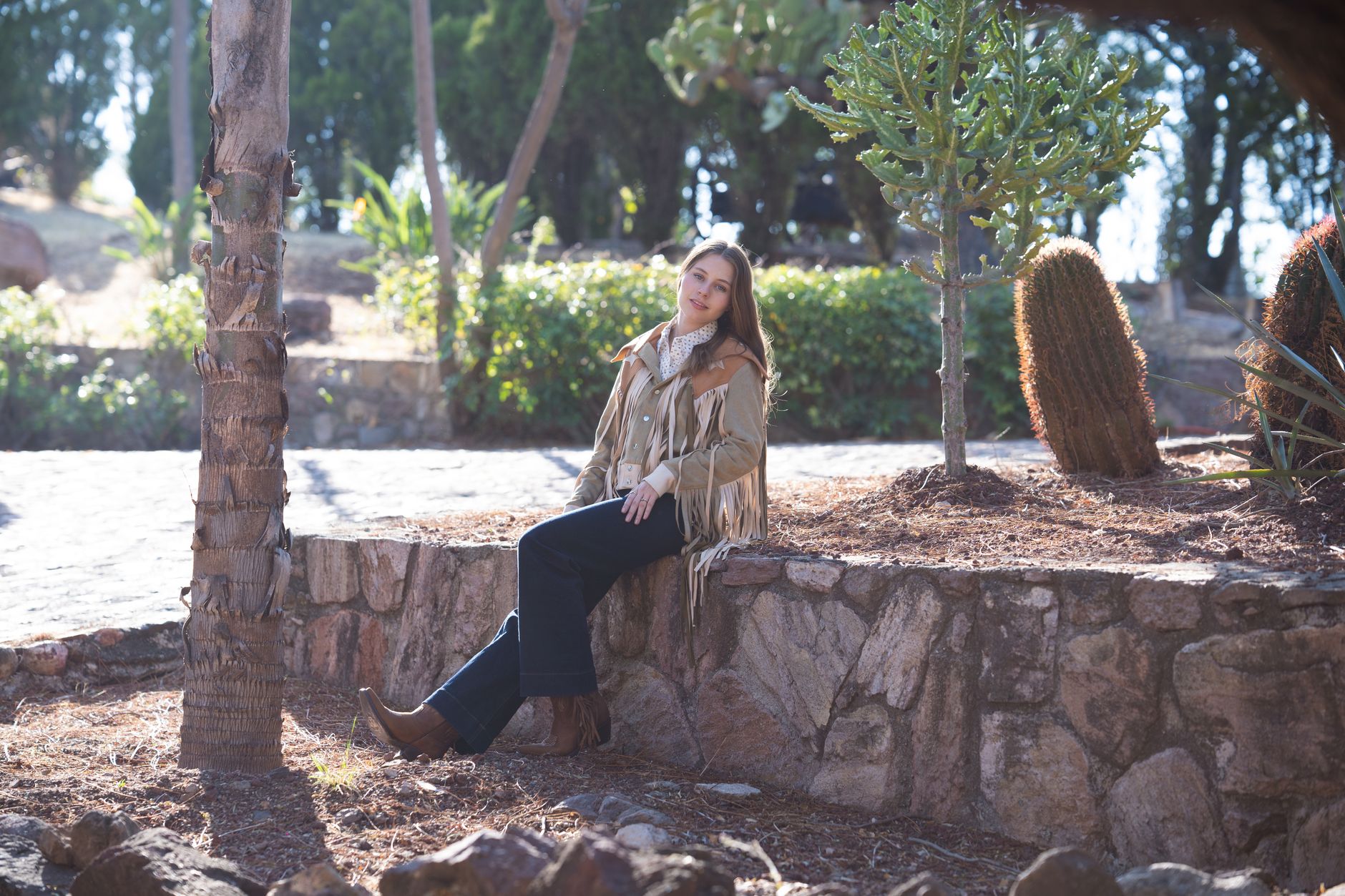
The honest answer is that it never really went away. Waxed cotton, heavy-knit jumpers, moleskin trousers, these have been British wardrobe staples since well before they became “on trend”. What changed is the context. The pandemic pushed an enormous number of people outdoors, and many of them stayed. Growing your own food, tending a plot, spending a Saturday morning at a kitchen garden, these things became part of identity rather than just activity.
For women especially, the allotment became a space that was genuinely their own. And the clothes worn there followed suit. Not performance workwear in neon colours, but something earthier: a chunky-knit gilet over a linen shirt, canvas boots, a waxed jacket with actual pockets that actually hold things. It is practical, yes, but it is also quietly beautiful in the way that worn-in, well-made things tend to be.
I have noticed that even among friends who have never held a trowel in their lives, the palette has crept in. Sage green, umber, warm mushroom, terracotta, these are not just “autumnal shades”. They are the exact colours of a well-tended plot in September. The fashion press calls it “earthy tones” or “naturalistic dressing”. Anyone who has spent a morning pottering around a vegetable bed would recognise it instantly.
How high street brands are responding to the growing lifestyle trend
Barbour is the obvious entry point here. The brand’s gilet, specifically its waxed cotton styles, has been having a genuine moment beyond its traditional demographic. The brand reported strong demand from younger women in the 25-40 bracket who want something that works on a country walk and in a city brunch equally well. That crossover is the exact energy the allotment aesthetic runs on.
Toast, always ahead on the craft and texture conversation, has leant further into heavy linens, botanical prints, and what it calls “working wardrobe” pieces: apron-front dresses, wide-leg canvas trousers, long-line waistcoats in undyed wool. The language on its product pages reads almost like a kitchen garden journal. That is not accidental.
At a slightly lower price point, John Lewis has expanded its countrywear edit significantly this year, and ASOS has introduced several own-brand lines that borrow heavily from the same visual world, chunky-knit cardigans, corduroy in forest green, heavy-cotton shirting in off-white. The references are clear. The audience buying them may never own a pair of wellies, but they want the feeling the clothes carry.
What the allotment aesthetic means for layering and colour palettes
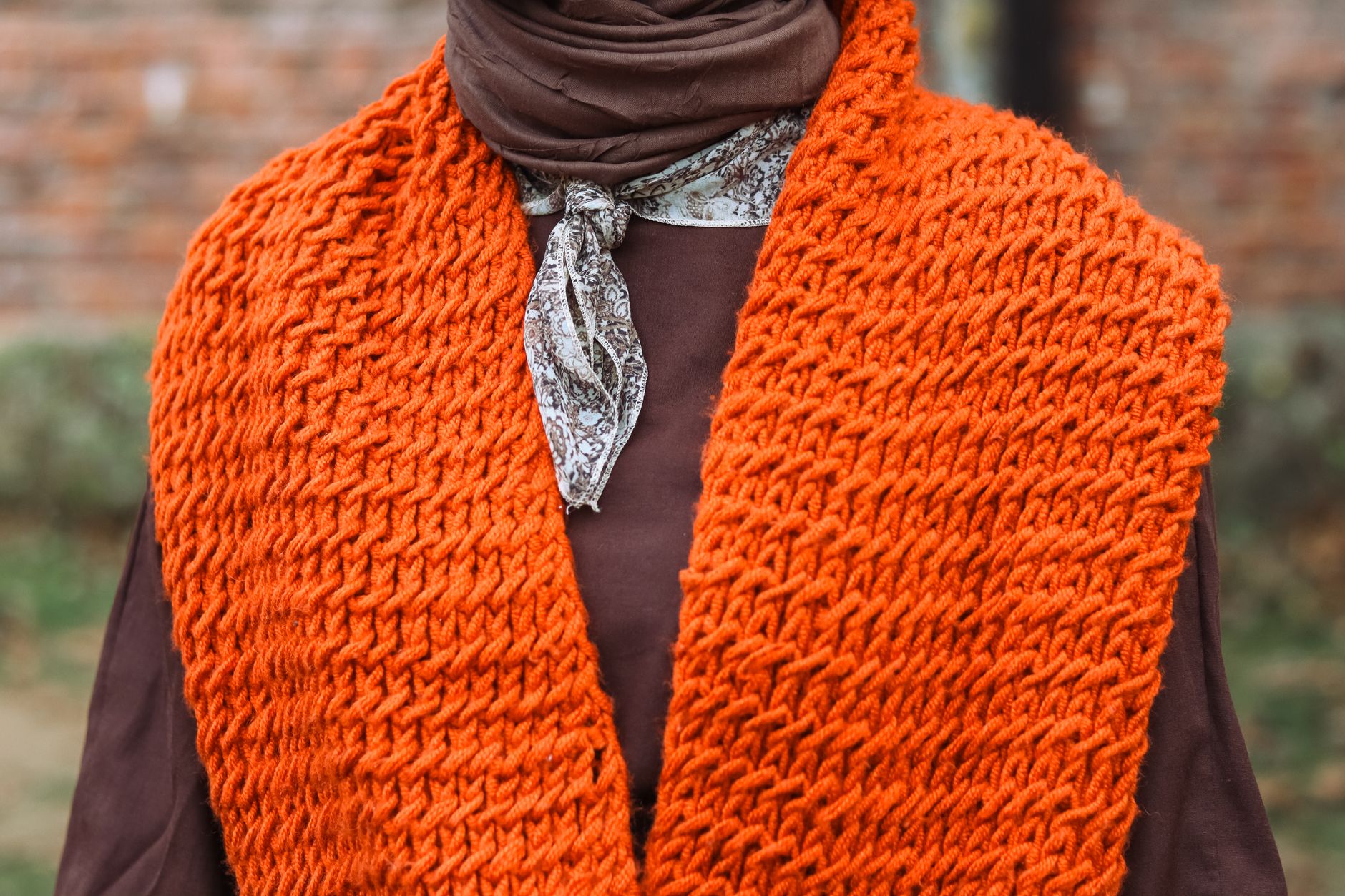
Layering is the backbone of this aesthetic, and it is also just practical sense for British weather. The classic allotment outfit is a masterclass in it: a base layer of something breathable, a mid-layer that provides warmth without bulk, an outer layer that handles rain without making a fuss. That structure maps perfectly onto autumn dressing, which is why so much of this trend lands hardest in September and October.
Colour is where it gets interesting for fashion rather than just function. The palette that comes naturally from outdoor growing is surprisingly sophisticated. Think the dusty blue-green of a leek before it flowers, the warm rust of an old terracotta pot, the bleached linen shade of dried seed heads, the deep olive of a damson leaf. None of these are colours you would typically describe as exciting, and yet they work together in ways that feel considered and calm. There is a reason quiet luxury fashion has drifted in a similar direction, both aesthetics value restraint and quality over noise.
This also connects to a broader shift in how British women are thinking about their wardrobes. I have written before about the genuine confusion around smart-casual dressing in UK offices, and the allotment aesthetic offers an interesting counterpoint to that confusion. It is not trying to be anything it is not. The clothes know what they are for. That clarity is enormously appealing right now.
The outdoor living boom and what it means for practical fashion
The growing enthusiasm for outdoor spaces is feeding into fashion from multiple directions at once. The boom in raised bed gardening UK has introduced a new wave of people to outdoor working: people who need clothes that can handle mud, kneeling, stretching, and variable weather without looking like they just arrived from a building site. That is a real design brief, and a growing number of brands are meeting it.
Seasalt Cornwall is one label that deserves more credit here. Their range of canvas trousers, long-line cotton shirts and heavyweight knitwear is built for coastal and garden environments, and their colour vocabulary is entirely in keeping with the aesthetic we are talking about. They have managed to make durable and pretty feel like the same thing, which is harder than it looks.
For anyone curious about how this trend intersects with the broader world of British period drama fashion influence in 2026, there is an interesting parallel. Both aesthetics draw from an idealised image of British rural life, one that is increasingly finding its way back into contemporary clothing in ways that feel less nostalgic and more genuinely relevant.
Who is wearing the allotment aesthetic and how to make it work
One thing I appreciate about this particular trend is how genuinely inclusive it is in terms of body type and age. A well-cut waxed gilet works on most frames. A chunky knit does not demand a specific silhouette. The palette is forgiving and warm, and the relaxed fits that come naturally from workwear-inspired pieces are broadly flattering. This makes it feel different from a lot of fashion conversation, which tends to be narrower than it should be. If you want some genuine advice on building a wardrobe that works across different life stages, the piece on dressing smarter through perimenopause makes a compelling case for exactly this kind of practical-meets-beautiful thinking.
In terms of actually building the look: start with a base of quality jersey or fine merino in a neutral (cream, oatmeal, warm grey). Layer a washed linen shirt or a lightweight flannel over the top. Add a chunky-knit vest or gilet as your mid-layer. Finish with a long waxed jacket or a heavy boiled-wool coat in olive or navy. Boots with actual grip. A canvas tote. Done.
The National Allotment Society reports that membership has grown year on year since 2020, and there is no sign of it slowing. As more people connect their leisure time with outdoor growing, the clothes that belong to that world are only going to become more visible, and more wanted.
The allotment aesthetic is not a trend that will burn bright and disappear by spring. It is rooted in something that British life has genuinely embraced. The fashion industry, for once, is following the people rather than trying to lead them. That might be the most interesting thing about it.
Frequently Asked Questions
What is the allotment aesthetic in UK fashion?
The allotment aesthetic refers to a fashion direction inspired by outdoor growing culture: earthy colour palettes like sage, umber and terracotta, durable fabrics such as waxed cotton and heavy linen, and practical layering pieces like gilets, chunky-knit cardigans and canvas trousers. It draws on the visual world of kitchen gardens and allotment plots rather than high-performance sportswear.
Which UK brands are leading the allotment-inspired fashion trend?
Barbour and Toast are the most prominent, with waxed gilets and botanical-print linen pieces respectively. Seasalt Cornwall is also worth looking at for its canvas and cotton workwear range. At higher street level, John Lewis and ASOS own-brand lines have both expanded their countrywear and earthy-palette edits significantly in 2026.
How do I build an allotment aesthetic outfit without looking like I've just come from the garden?
The key is choosing pieces in quality fabrics and keeping the palette cohesive. A fine merino base layer, a linen or flannel shirt, a chunky-knit gilet or vest, and a waxed or boiled-wool outer layer all work together. Stick to earthy neutrals, cream, olive, rust, mushroom, and choose well-fitted boots rather than actual wellies.