Author: Ethan

  • Primark vs Marks & Spencer: Which High Street Giant Actually Wins for Everyday British Wardrobes in 2026?

    Primark vs Marks & Spencer: Which High Street Giant Actually Wins for Everyday British Wardrobes in 2026?

    If you’ve ever stood in a high street changing room, one carrier bag from Primark and one from Marks & Spencer, wondering which you actually trust more, you’re not alone. I’ve done exactly that, more times than I’d like to admit. The Primark vs Marks & Spencer debate is one of those conversations British shoppers have been having for years, and in 2026 it feels more charged than ever. Prices have climbed, wardrobes are under pressure, and everyone wants to know where their money genuinely goes furthest.
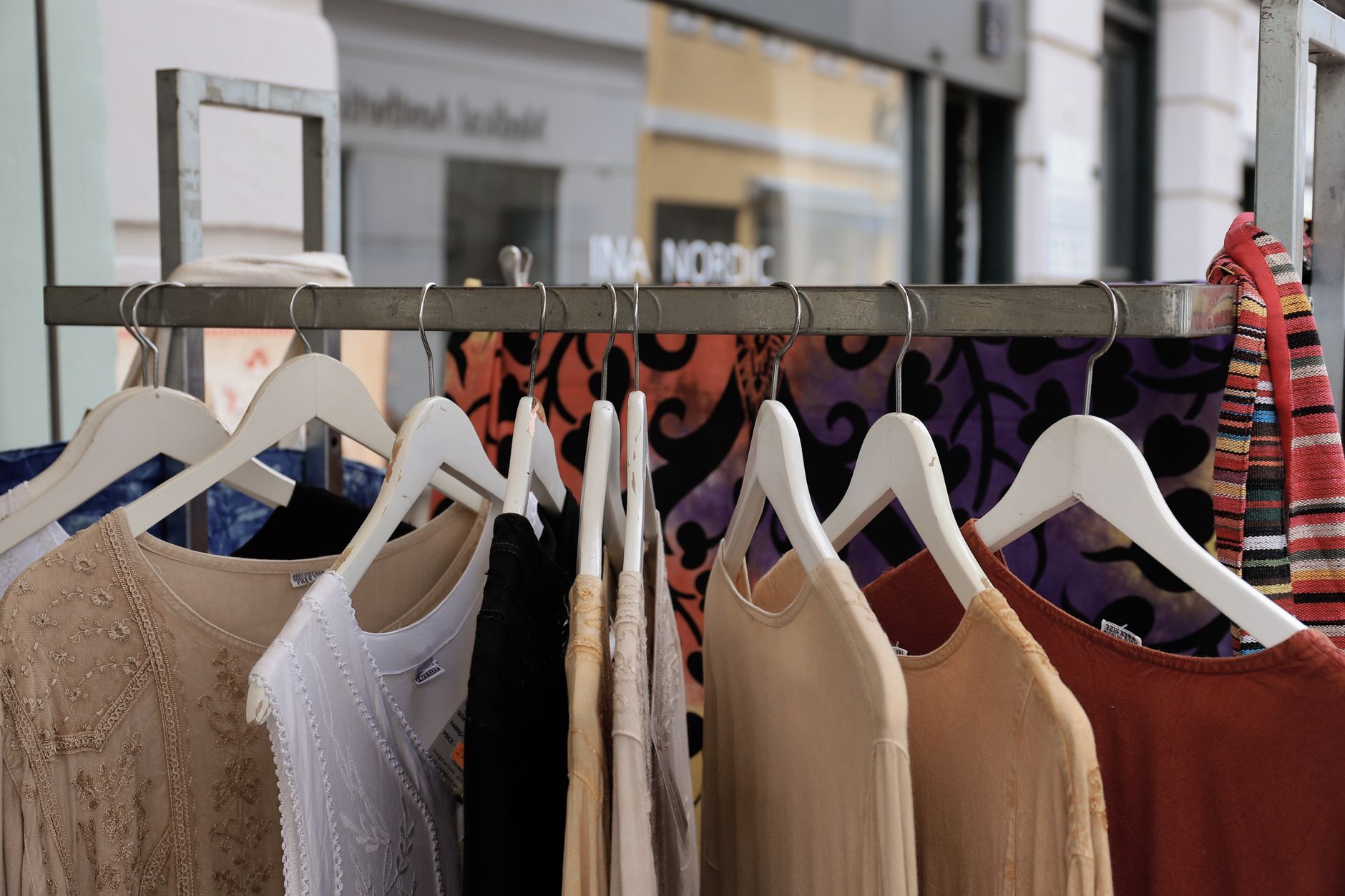
    Shoppers on a British high street illustrating the Primark vs Marks & Spencer debate
    Photo by Christina & Peter on Pexels

    These two retailers occupy completely different emotional spaces on the high street, which is part of what makes comparing them so interesting. Primark is the thrill of the grab, the £7 top that somehow fits perfectly. M&S is the reliable old friend, the one your mum always swore by and you quietly admit she was right about. But in 2026, both have evolved in ways that scramble those assumptions.

    Quality: what you actually get for your money

    Let’s be straight about this. Primark’s quality varies enormously depending on the garment. A basic cotton T-shirt from Primark can hold up remarkably well through a dozen washes. A more fashion-forward piece, something with embellishment or a looser weave, often shows its age by the third wear. I bought a knitted cardigan there last autumn and by January it was pilling badly enough to make me wince every time I wore it.

    M&S plays a more consistent game. Their Per Una and Autograph ranges are genuinely well-constructed, and the brand has put real effort into fabric sourcing since their 2023 quality reset. The stitching holds, the linings sit properly, and the washes tend not to warp the shape. That said, even M&S isn’t immune to the odd disappointing season. Their basics range, the everyday essentials section, can feel thin for the price point.

    The honest verdict on quality: M&S wins for anything you plan to wear more than fifteen times. Primark wins when you need something for a specific occasion and don’t expect it to survive the year. Those are genuinely different shopping needs, and both are valid.

    Sizing: which retailer actually fits real British bodies?

    Sizing is where things get personal, fast. Primark’s sizing has long been erratic. A size 14 in one style can feel completely different from a size 14 in another, even within the same season. I’ve seen women online describe returning three different sizes of the same Primark dress because none of them fitted consistently. It’s a genuine frustration, and the lack of easy returns (Primark still doesn’t offer a formal refund on tried items in many stores) makes the gamble feel worse.
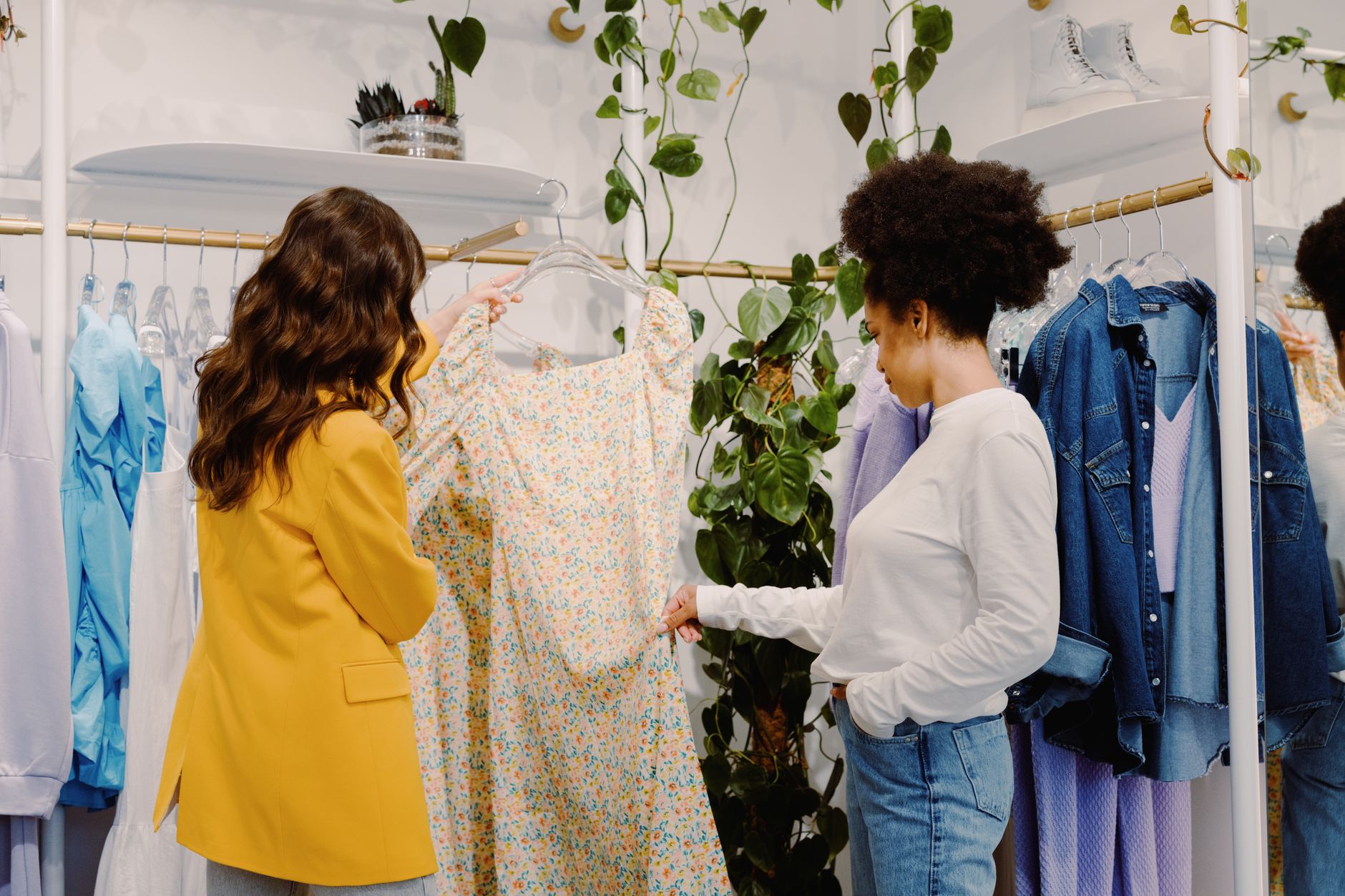
    Clothing rails in a British high street shop highlighting quality differences in Primark vs Marks & Spencer ranges
    Photo by Ron Lach on Pexels

    M&S has historically been more consistent, particularly for women over 35 who have felt ignored by fast fashion sizing models. Their Goodmove activewear line, for instance, sizes up to a 28 in many pieces, and the fit across that range has received genuinely positive feedback. The introduction of their online virtual fitting tool has also helped customers avoid the guesswork that once put people off ordering. According to BBC Business, M&S has been one of the few high street retailers to grow its clothing market share meaningfully over the past two years, and better sizing inclusivity is frequently cited as a contributing factor.

    Primark is making efforts. They’ve extended their size range in store, with more styles now going up to a size 26, and some locations have dedicated plus-size sections rather than the old habit of tucking a few larger sizes onto the main rail. Progress, but not quite parity with M&S yet.

    Value: and what that word actually means in 2026

    Here’s where the comparison gets genuinely complicated. Primark is obviously cheaper on a per-item basis. A pair of linen trousers from Primark might cost £16. The equivalent from M&S could be £45. On pure price, Primark wins every time.

    But value isn’t the same as price. If the Primark trousers need replacing after one summer and the M&S ones last three, the M&S pair costs less per wear. This cost-per-wear argument has been gaining traction among British shoppers who’ve become more conscious about the environmental and financial impact of buying cheap and often. Some of us, having read pieces about what actually happens to fast fashion returns, are rethinking the whole model.

    There’s also the question of what you’re wearing and why. For trend-led pieces, the ones tied to a particular season or moment, Primark makes complete sense. You’re not buying a £6 crop top to last a decade. For wardrobe staples, the coat, the well-cut trousers, the blazer that works across multiple outfits, M&S is harder to argue against.

    I’d also mention that M&S’s Sparks loyalty scheme gives regular shoppers genuine discounts and early access to sales, which softens the price gap more than people realise. If you shop there a few times a year, you’re probably paying less than the ticket price suggests.

    The ethical dimension neither retailer has fully solved

    Both brands talk about sustainability. M&S’s Plan A commitments are long-standing and reasonably well-documented. Primark’s Primark Cares initiative has pledged to make all products from more sustainable or recycled materials by 2030. Whether either brand is doing enough is a separate and longer argument.

    What’s clear is that British shoppers are paying more attention than they used to. The growth of vintage and second-hand shopping, which I’ve written about before in a piece on why vintage stores are taking over British high streets, is partly a response to frustration with both ends of the market: the throwaway culture of fast fashion and the premium prices of supposedly ethical brands.

    If you care about this stuff, M&S is the more transparent of the two, though transparency and actual ethical practice aren’t always the same thing. Primark’s sheer volume makes it harder to audit. That’s not a reason to avoid it entirely, but it’s worth factoring in when you’re deciding where your pounds go.

    So which one should you actually be shopping at?

    My honest answer: both, strategically. Use Primark for trend items, occasionwear you’ll wear twice, and anything your kids will grow out of in three months. Use M&S for investment basics, outerwear, swimwear, and anything you want to still be wearing in 2028.

    The shoppers I know who dress really well on a normal budget, not celebrity money, the kind of style that makes you look twice in the street, tend to mix both. A great coat from M&S. A fun printed blouse from Primark. Smart trousers from M&S. A festival outfit from Primark. It’s not either/or, and anyone telling you it is probably hasn’t thought it through properly.

    On a completely separate note, if you’re working on your general wellbeing alongside your wardrobe refresh this year, some readers have been exploring products like those stocked by HealthPod Mansfield as part of their broader health routines. Entirely your call, but worth knowing the option exists.

    The British high street is not dying; it’s sorting itself out. M&S and Primark will both still be standing when the dust settles because they serve genuinely different needs. Understanding which need you’re shopping for on any given day is, frankly, the most useful wardrobe skill you can develop. For more on building a wardrobe that actually works for you, have a look at our guide to quiet luxury and why less is more in 2026.

    Frequently Asked Questions

    Is Primark better quality than it used to be in 2026?

    Primark has made some improvements, particularly in its basics range and extended sizing options, but quality still varies a lot between product lines. Simpler garments like plain T-shirts and jersey basics hold up reasonably well; more complex pieces with embellishment or looser weaves tend to show wear quickly.

    Is M&S clothing worth the extra cost compared to Primark?

    For wardrobe staples you plan to wear repeatedly, M&S generally offers better cost-per-wear value despite higher ticket prices. Their fabrics wash better and keep their shape longer. For trend-driven or occasional pieces, Primark’s lower prices make more sense.

    How does M&S sizing compare to Primark for plus-size shoppers?

    M&S has a more consistent and inclusive size range, with many styles extending to a size 28 and more reliable fit across sizes. Primark has expanded its range but sizing can still be inconsistent between styles, and the no-refund policy makes the guesswork more frustrating.

    Can you return clothes to Primark if they don't fit?

    Primark’s returns policy is more limited than most UK retailers. They accept returns of unworn, tagged items within 28 days for a refund or exchange, but the policy around tried-on items varies by store. Always check in-store before purchasing if you’re unsure about sizing.

    Which retailer is more ethical, Primark or Marks & Spencer?

    M&S has more transparent sustainability commitments through its long-running Plan A programme and is generally easier to audit. Primark’s Primark Cares initiative has pledged significant changes by 2030, but its sheer production volume makes independent verification harder. Neither is perfect, but M&S currently leads on transparency.
  • Inside the Drama at London Fashion Week 2026: The Moments That Had the British Press Talking

    Inside the Drama at London Fashion Week 2026: The Moments That Had the British Press Talking

    Right. London Fashion Week 2026 has wrapped, the models have kicked off their heels, and the fashion press has collectively chain-drunk approximately seventeen flat whites each. I’ve spent the past week watching, reading, and, let’s be honest, gasping at what came down those runways and off them. London Fashion Week always delivers something to argue about at dinner, but this season felt particularly charged. The London Fashion Week 2026 highlights drama did not disappoint.

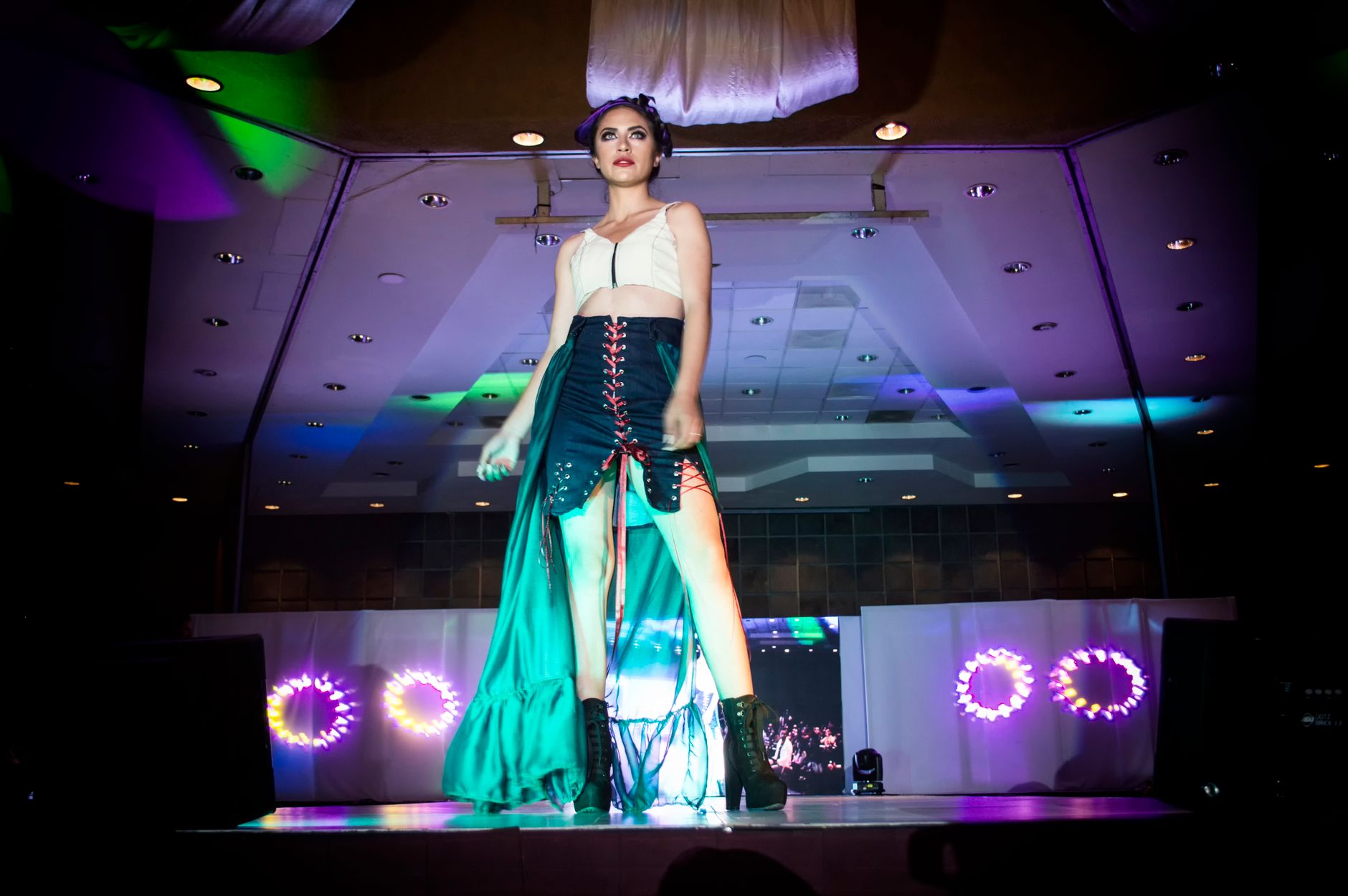
    Models on the runway at London Fashion Week 2026, capturing the highlights and drama of the season
    Photo by Genaro Servín on Pexels

    The show that stopped everything: Simone Rocha’s emotional finale

    Let’s start where everyone else started. Simone Rocha closed her show with a finale that left the front row visibly undone. Models walked in near-identical ivory gowns layered with hand-stitched dark lace, each carrying a single wilting stem. No music for the last sixty seconds. Just footsteps on the runway. The silence was reportedly more unsettling than anything a DJ could have managed, and several journalists described it as the most quietly devastating thing they’d seen on a London runway in years. According to BBC Arts, the show drew an immediate response on social media that dwarfed most other LFW moments this season. I’d agree. It was the kind of thing you watch and feel slightly guilty for applauding, like clapping after a poem about grief.

    The walkout nobody saw coming

    Drama doesn’t only happen on the catwalk, does it. Word spread fast on the second morning that a prominent British stylist had walked out of a front-row seat mid-show at one of the bigger commercial presentations, reportedly unhappy with the seating arrangement after her name tag had been moved at the last minute. The show itself was fine, wearable tailoring, excellent trousers, but nobody was talking about the trousers. By the afternoon, the stylist had posted a carefully worded Instagram story that said nothing and implied everything. British passive aggression at its most high-fashion. The press loved it.

    Which collections actually made people want to buy things

    Amongst all the spectacle, a few collections cut through for genuinely commercial reasons. Roksanda showed a run of wide-leg separates in oxblood and warm caramel that felt wearable without being boring, and the audience responded accordingly. Several pieces were reportedly being enquired about before the show had even ended. Erdem went in the opposite direction, deeply theatrical, heavily embroidered, and absolutely not something you’d grab for a Tuesday morning, but the craftsmanship was extraordinary. I kept thinking about the costume designers I’d been reading about in the quiet drama unfolding in British book-to-screen adaptations; Erdem’s work this season had that same quality of historical obsession reimagined for now.

    The sustainability conversation nobody could avoid

    LFW organisers had flagged sustainability as a key theme ahead of the week, and several designers took that seriously. Bethany Williams showed a collection made partially from deadstock fabric sourced from British manufacturers, with printed linings that documented exactly where each piece came from. It was the kind of radical transparency that felt genuinely new. British shoppers are increasingly paying attention to this stuff, I wrote recently about homegrown ethical clothing brands pulling British shoppers away from fast fashion giants, and the interest at LFW confirmed that this isn’t a niche concern any more. The audience for Bethany Williams wasn’t just press; it included buyers who’d specifically flown in from European stockists interested in the provenance story.

    Not every designer played along, of course. One show featured what appeared to be thousands of plastic beads sewn into a single gown. The internet had opinions.

    The model moment everyone clipped and shared

    A newcomer, nineteen years old, from Sheffield, making her LFW debut, tripped on the raised hem of an oversized coat about halfway down the runway at a mid-tier show. She recovered immediately, paused for exactly one beat, raised an eyebrow at the audience, and kept walking. The clip went everywhere. By that evening she had more Instagram followers than the brand she was walking for. That’s LFW. Someone does something unscripted and real, and the internet decides they’re the whole point of the week. She handled it with the kind of composure that takes most people a decade to develop. Good for her.

    The stylist wars playing out in plain sight

    LFW front rows are famously political, and this season the seating plans were being scrutinised like they were government documents. Who sat next to whom, who was relegated from the front row to the second, which influencers had been given seats previously reserved for print journalists, all of this was documented, debated, and occasionally weaponised online. British fashion journalism is going through something of an identity crisis as print circulation continues to fall, and the tension between legacy press and digital creators was right there in every row of chairs, visible to anyone who cared to look.

    I think this connects to something bigger happening on British high streets and in British wardrobes right now. The way people discover fashion has changed completely, and LFW is still working out how to reflect that. The rise of resale and vintage has shifted what feels aspirational, if you want to understand why, the real reasons vintage stores are taking over British high streets is worth a read. The runway and the charity shop are in conversation in ways they never used to be.

    The show that genuinely divided opinion

    One collection split the room clean in half. A newer label showed a range built almost entirely around workwear, specifically, the kind of uniform-adjacent clothing that millions of British people actually wear to do actual jobs. Nurses’ scrubs reimagined in silk. Supermarket tabards recut in heavyweight linen. A postman’s bag remade in butter-soft leather. Half the press called it a sharp comment on class and visibility. The other half called it costume. Both reactions were probably right, which is the sign of something genuinely interesting. It’s been rattling around in my head since I saw it.

    What LFW 2026 actually told us

    London has always been the awkward, brilliant sibling in the fashion week calendar. Paris is glamour, Milan is polish, New York is commerce, London is the one that picks a fight in the best possible way. This season that felt more true than ever. The London Fashion Week 2026 highlights drama came from unexpected places: a silent finale, a recovered stumble, a sustainability label making buyers take notes. The biggest moments weren’t necessarily the biggest budgets. That’s something to feel genuinely good about.

    Frequently Asked Questions

    When did London Fashion Week 2026 take place?

    London Fashion Week 2026 took place in February 2026, following the traditional fashion calendar schedule. The event spans multiple days and features shows, presentations, and industry events across the city.

    Who are the standout designers from London Fashion Week 2026?

    Simone Rocha, Roksanda, Erdem, and Bethany Williams generated significant buzz this season for very different reasons. Simone Rocha’s emotional finale and Bethany Williams’s commitment to deadstock fabrics were particular talking points amongst press and buyers.

    How can I watch London Fashion Week shows if I'm not there in person?

    Many shows stream live on the British Fashion Council’s official website and on designers’ own Instagram and YouTube channels. Some brands also release full show footage in the days following LFW, so you don’t need an invitation to see the collections.

    Is London Fashion Week open to the public?

    Most runway shows are invitation-only and reserved for press, buyers, and industry professionals. However, the British Fashion Council does organise some public-facing events and initiatives during the week, and these are announced in advance on their website.

  • The Real Reason British High Streets Are Filling Up With Vintage Stores, and Why It’s More Complicated Than You Think

    The Real Reason British High Streets Are Filling Up With Vintage Stores, and Why It’s More Complicated Than You Think

    Walk down almost any UK high street right now and you’ll notice something has changed. Charity shop rails are curated like boutiques, new vintage independents are opening where Topshop and Debenhams once stood, and the queue outside a Saturday morning pop-up pre-loved market looks nothing like it did five years ago. The surge in vintage clothing shops on UK high streets is real, it’s accelerating, and it’s about a lot more than aesthetics.

    I’ve been watching this shift for a while now, and honestly, the more I dig into it, the more fascinating it becomes. This isn’t simply about young people wanting to look different from their parents. There are proper economic forces at work here, a generational value shift, and some serious implications for the big-name retailers who’ve spent decades assuming they owned the British wardrobe.

    Young woman browsing rails in one of the new vintage clothing shops appearing on UK high streets
    Photo by Sami Aksu on Pexels

    The cost-of-living squeeze is sending shoppers straight to the pre-loved rail

    Let’s be honest about the economics first. The ONS data on inflation tells a clear story: clothing and footwear costs rose sharply through 2023 and 2024, and while the rate has cooled slightly, the cumulative hit to household budgets hasn’t gone anywhere. When a new-season coat from a mid-range high street label sits at £120 and a nearly identical one from a vintage shop costs £22, the maths isn’t complicated.

    What’s interesting, though, is that the pre-loved boom isn’t purely driven by necessity. Plenty of people shopping in vintage stores right now are not skint. They’re making an active choice. The cost-of-living pressure has given permission to a behaviour that was already quietly growing, especially among shoppers in their twenties who find the whole disposable-clothing model deeply unappealing. Saving money and spending consciously feel like the same decision when you’re standing in front of a rack of deadstock denim.

    The figures back this up. The UK’s second-hand clothing market was valued at around £6.5 billion in 2024, according to ThredUp’s Global Resale Report, and projections suggest it could outpace the fast fashion sector within the next decade. That’s not a niche. That’s a structural shift.

    Gen Z isn’t shopping the way brands predicted

    Every retailer in Britain has spent the last few years trying to figure out what Gen Z wants. The answer, it turns out, is not what Topshop tried to sell them. Gen Z shoppers, broadly those born between 1997 and 2012, grew up watching fast fashion return scandals unfold in real time. I’ve written before about what actually happens to your parcel when you send it back to ASOS or Zara, and the reality is grim enough to put anyone off a guilt-free impulse buy.

    This generation is also deeply savvy about algorithms and brand marketing. They know when they’re being sold to. A vintage piece, by contrast, carries a kind of authenticity that no influencer campaign can replicate. It’s already lived a life. It doesn’t come in identical versions on ten thousand other people. And crucially, it tells a story, which is the currency that matters most on social media right now.

    TikTok’s thrift-flip culture has done more for the UK vintage market than any trade campaign could have managed. Searches for vintage clothing among 18-to-24-year-olds on Depop, the UK-founded resale platform now with millions of active buyers, have climbed year on year. Depop itself was Nusan-level clever in spotting that the next generation of consumers wanted discovery, not curation from above, and built its whole model around that instinct.

    Close-up of pre-loved clothing on a curated vintage rail, typical of the new vintage clothing shops on UK high streets
    Photo by Taras Chuiko on Pexels

    What does this mean for Next, M&S, and the high street stalwarts?

    Here’s where it gets genuinely complicated. Marks & Spencer has had a remarkable few years by any measure, their Per Una and Autograph ranges have found a new audience, and the food hall continues to be a national institution. Next’s Directory model has proved resilient. But both brands, along with almost every other traditional high street name, are watching a generation of potential shoppers divert spending away from new-season stock and towards pre-loved alternatives.

    The smarter retailers have started responding. M&S launched a clothing rental partnership. John Lewis experimented with a resale scheme. These are tentative moves, and I’d argue they haven’t committed to them seriously enough yet. The brands that will come out well from this shift are the ones that stop treating second-hand as a threat and start treating it as part of their own story.

    There’s also a quality conversation happening that the mid-market should be paying attention to. Part of the appeal of vintage is that older garments were simply built better. A wool coat from the 1990s will outlast most things made in 2026. If M&S and Next can make a genuine, credible case for quality and longevity, they have a real argument. If they can’t, they’re fighting on the wrong ground entirely.

    This connects to a broader shift in how people think about their wardrobes. The move towards homegrown ethical clothing brands and the explosion of vintage stores are part of the same story: people want to feel good about what they’re wearing, not just look good in it.

    The cultural lift that charity shops didn’t expect

    It would be wrong to tell this story without acknowledging what’s happened to charity shops. Oxfam, Barnardo’s, and British Heart Foundation shops have quietly become genuine fashion destinations for people who wouldn’t have been caught dead in one a decade ago. The Great British charity shop glow-up is real, and it’s changed the social meaning of pre-loved shopping entirely.

    There’s no shame attached anymore. If anything, there’s a kind of status in the find. I’ve seen people photograph their charity shop hauls with the same pride they’d once reserve for a Selfridges bag. The aesthetic has shifted. The discourse has shifted. And the footfall in the best-located charity shops on high streets in cities like Bristol, Edinburgh, Manchester, and Brighton reflects all of that.

    It’s also worth noting that specialist vintage independents are doing something different from charity shops. They curate, they price with knowledge, they create atmosphere. Walking into a well-run vintage shop feels more like a quiet luxury experience than a rummage sale. The best ones have become genuine cultural spaces, hosting events, collaborating with local designers, and attracting customers who’d happily spend more on a single considered piece than they would on a bag full of new fast fashion.

    What the high street actually looks like now

    The physical reality of UK high streets in 2026 reflects all of this. Empty units that once housed H&M spinoffs or phone repair shops are being taken by independent vintage traders on short-term leases, often with support from councils keen to fill space and attract footfall. Pop-up vintage fairs in town centres are drawing weekend crowds. Markets in places like Portobello Road, Brixton, and the Northern Quarter in Manchester are busier than they’ve been in years.

    This isn’t the death of the high street people predicted. It’s a mutation. The high street is becoming something different, and vintage clothing shops are a significant part of what it’s becoming. Whether that’s good or bad probably depends on where you stand, and what you’re trying to sell.

    My honest take: it’s good. A high street full of independent vintage traders, ethical brands, and local character is more interesting, more resilient, and more human than one full of identical franchise units. The question is whether the legacy retailers adapt quickly enough to play a role in that world, or whether they’re left watching it happen from a distance.

    Frequently Asked Questions

    Why are vintage clothing shops opening on UK high streets so quickly?

    A combination of affordable short-term leases on empty units, strong consumer demand driven by cost-of-living pressures, and a cultural shift towards sustainable shopping has made vintage retail more commercially viable than ever. Councils are also actively encouraging independent traders to fill vacant high street spaces.

    Is buying vintage clothing actually cheaper than shopping at high street brands?

    In most cases, yes, especially for outerwear, denim, and knitwear. A pre-loved wool coat in good condition typically costs a fraction of a comparable new item from M&S or Next. Specialist vintage shops do price some items higher based on rarity or era, but even then the value-for-quality ratio is usually strong.

    Why do Gen Z shoppers prefer pre-loved and vintage fashion?

    Gen Z tend to prioritise individuality, sustainability, and authenticity in their purchases. Pre-loved clothing offers pieces that aren’t mass-produced, carries lower environmental impact than new fast fashion, and often performs better on social media because it’s unique. Platforms like Depop have made second-hand shopping feel native to how this generation already shops online.

  • The Quiet Drama Unfolding in British Book-to-Screen Adaptations and the Costume Designers Making Them Unmissable

    The Quiet Drama Unfolding in British Book-to-Screen Adaptations and the Costume Designers Making Them Unmissable

    There is a particular kind of magic that happens when a beloved novel finally makes it to the screen. The dialogue, the plot, the casting, yes, all of that matters enormously. But the thing I keep coming back to, every single time, is the clothes. The way a costume designer translates a character from the page into something you can actually see, touch, and (let’s be honest) immediately Google to find on the high street, that is a craft that deserves far more attention than it gets.

    British TV has been having a remarkable run with book adaptations. From gritty crime to sweeping period romance, the breadth of source material being brought to screen in 2026 is extraordinary. And behind every one of those productions is a costume designer working quietly, obsessively, and with a level of historical or psychological precision that most viewers will never fully appreciate. It’s time to change that.

    Costume rail in a TV wardrobe department, reflecting the craft behind British TV costume design book adaptations 2026
    Photo by 468684 Ink on Pexels

    Why British TV costume design book adaptations 2026 are dominating the fashion conversation

    The numbers are genuinely striking. After the BBC’s adaptation of The Thursday Murder Club aired earlier this year, searches for “wool blend midi skirt” and “structured blazer women” spiked noticeably across UK retail sites. ASOS, Marks and Spencer, and John Lewis all reported upticks in specific silhouette searches that aligned almost perfectly with what lead characters were wearing on screen. This is not a coincidence. It is costume design doing what it does best: creating desire without ever announcing itself.

    Costume designer Natalie Ward, whose work on ITV’s adaptation of Maggie O’Farrell’s Hamnet has been discussed at length on the BBC’s arts coverage, has spoken publicly about the months spent sourcing period-accurate linen and natural dyes. But the influence of her choices isn’t confined to history buffs. That earthy, undyed linen aesthetic fed directly into the “quiet natural” trend that has been visible across everything from M&S’s autumn/winter collection to smaller ethical British labels. It trickles down, always.

    The unsung designers you should actually know

    Most people can name a showrunner. Far fewer can name a costume designer. I’d argue that is one of British television’s most persistent and baffling injustices, because these are the people who make you believe.

    Take Odile Dicks-Mireaux, who has worked across several of the UK’s most talked-about period productions. Or Phoebe De Gaye, whose work on literary adaptations requires her to simultaneously honour a novelist’s intentions, satisfy a director’s vision, and produce something that will read clearly on a 65-inch screen in someone’s front room in Coventry. The constraints are extraordinary. The results, when they land, are stunning.

    What I find particularly fascinating about the current wave of British TV costume design book adaptations 2026 is how politically and culturally aware the choices have become. A costume designer working on a contemporary novel adaptation is making constant decisions about class, race, aspiration, and authenticity. The wrong jacket can undermine an entire character. The right one can make a scene without a single word of dialogue.

    How viewers are translating screen style into real shopping behaviour

    This is where it gets genuinely interesting, especially if you care about fashion beyond the runway. British viewers are increasingly using drama as a style reference point, and the high street has noticed. When Netflix’s UK adaptation of One Day aired in 2024, the specific palette of Emma’s wardrobe, muted plums, oversized knits, slightly awkward layering that still managed to look considered, inspired a wave of searches that had nothing to do with the plot.

    There is something important happening here around quiet luxury fashion and its relationship with screen storytelling. The kind of understated, character-driven dressing that costume designers deploy for literary adaptations maps almost perfectly onto the broader move away from loud branding and obvious trend-chasing. Viewers are drawn to clothes that feel real, that feel worn-in, that feel like they belong to an actual person rather than a mood board.

    The charity shop angle is worth mentioning too. Several costume departments working on lower-budget literary adaptations have been vocal about sourcing from charity shops and vintage markets, partly for authenticity and partly for budget reasons. That approach has a cultural echo, British audiences who’ve noticed the charity shop glow-up happening on the high street will recognise the same sensibility at work.

    Period vs contemporary: two very different briefs

    The distinction between period and contemporary literary adaptations matters enormously when you’re talking about costume design’s influence on fashion. A period piece, think any of the recent Hilary Mantel adaptations or the BBC’s ongoing relationship with Victorian fiction, gives a designer the freedom to create something genuinely removed from current trends. The influence tends to be slower, more filtered. A contemporary adaptation, by contrast, operates in real time.

    When a designer dresses a character in a 2026 adaptation of a recent literary bestseller, every choice is being made against a backdrop of what is actually available in shops right now. That creates a fascinating feedback loop. The designer draws from current retail; retail eventually draws back from what audiences respond to on screen. I’ve spoken to stylists who actively watch new drama releases in the weeks before they go shopping for editorial shoots, precisely because costume designers tend to spot and synthesise trends slightly ahead of the mainstream.

    British TV costume design book adaptations 2026 are doing something that pure fashion coverage often fails to do: they’re placing clothes on people with actual lives, actual problems, actual histories. That context changes how we see the clothes entirely. A herringbone coat means something different on a grieving widow in a Sally Rooney adaptation than it does on a mannequin at Selfridges.

    What the high street is actually picking up

    If you want a practical sense of how this translates, pay attention to what appears in high street look-books in the months following a major literary adaptation. The silhouettes from Normal People took about six months to fully filter through to Topshop’s successors and ASOS’s own-brand lines. The colour story from the BBC’s North and South rewatch boom influenced a whole season of dark burgundy and forest green in Zara UK’s womenswear.

    Ethical fashion is increasingly part of this conversation too. Some of the more thoughtful book-to-screen productions are explicitly working with sustainable suppliers for their costume departments, and that commitment is starting to become part of how productions are marketed. For viewers already invested in homegrown ethical clothing brands, knowing that a production made considered choices about how its costumes were sourced adds another layer of engagement.

    And then there’s layering. British weather being what it is, costume designers working on location shoots in this country become experts in the art of building outfits that look intentional across wildly unpredictable conditions. That skill, translated to screen, is part of why viewers find the styling so relatable. The clothes work the way our clothes actually need to work.

    Giving credit where it is long overdue

    The BAFTAs have a costume design category. It gets announced before the cameras really settle in, and the acceptance speeches rarely make the highlights reel. That needs to change. The designers working on British TV costume design book adaptations 2026 are doing some of the most culturally significant creative work in the industry, and they are doing it largely out of the spotlight.

    Next time you finish an episode and find yourself reaching for your phone to search where that jacket is from, remember the person who chose it. They didn’t just pick something that looked nice. They made a decision that said something about who that character is, what they want, and what the story means. That is not styling. That is authorship.

    Frequently Asked Questions

    Which British TV book adaptations in 2026 have had the biggest fashion impact?

    Productions like the BBC’s adaptation of The Thursday Murder Club and several ITV literary dramas have driven noticeable spikes in specific clothing searches on UK retail sites. Costume design in these shows tends to influence high street shopping behaviour within weeks of broadcast.

    Who are the leading costume designers working on UK literary TV adaptations?

    Designers such as Phoebe De Gaye and Odile Dicks-Mireaux have long worked across major British literary adaptations, though the field includes many talented designers who rarely receive mainstream recognition. BAFTA’s costume design award is a good starting point for discovering their work.

    How do costume designers research their choices for book-to-screen adaptations?

    Most designers begin with the source novel itself, then layer in historical research, character psychology, and consultation with directors and writers. Period adaptations often involve extensive sourcing from specialist suppliers, vintage dealers, and sometimes charity shops for authenticity.

    Why do British TV dramas influence fashion trends more than runway shows?

    Television places clothes on characters with relatable lives and emotional contexts, which makes the fashion feel accessible rather than aspirational in an abstract way. Viewers respond to seeing a coat or dress that tells a story, and that connection drives purchasing intent more directly than editorial photography.

  • The Shocking Truth Behind Fast Fashion Returns: What Happens to Your Parcel After You Send It Back to ASOS or Zara

    The Shocking Truth Behind Fast Fashion Returns: What Happens to Your Parcel After You Send It Back to ASOS or Zara

    You order three sizes, keep one, and send the other two back. Free returns, no quibble, done. It feels so easy that it barely registers as a decision. But what happens to fast fashion returns UK shoppers post back every single day is a story most retailers would very much prefer you didn’t read. I’ve been digging into the figures, and honestly, some of it stopped me mid-scroll.

    British shoppers returned an estimated £7 billion worth of clothing in 2024 alone, according to data from the Office for National Statistics and retail analyst reports. That number has only grown. With the rise of “bracket buying” (ordering multiple sizes or colours with the intention of returning most of them), the volume of returned parcels moving through UK logistics networks is staggering. The environmental cost attached to all of that movement, sorting, and disposal is something the fashion industry has been remarkably quiet about.

    Inside a returns warehouse showing what happens to fast fashion returns UK retailers process daily
    Photo by Tiger Lily on Pexels

    Why returned clothes rarely make it back onto the rails

    Here’s the bit retailers don’t advertise. Once a garment is returned, it has to be inspected, cleaned if necessary, repackaged, and re-listed. For a £12 dress from a fast fashion site, that process can cost more than the item is worth. The maths simply don’t stack up. So what actually happens? The returned item gets downgraded. Best case, it goes to a discount outlet or is sold in bulk to a liquidation company. Worse case, it goes straight into a waste stream. Some estimates from the charity WRAP, which tracks textile waste in the UK, suggest that hundreds of thousands of tonnes of clothing end up in landfill or incineration annually, and returned items are a meaningful part of that figure.

    ASOS introduced a “frequent returner” penalty policy back in 2023, flagging accounts that returned too often. Zara ended free returns for online orders in 2022. Both moves were partly framed as fraud prevention, but the environmental pressure was real too. The policy changes made headlines, but they didn’t fundamentally shift the culture of bracket buying. Shoppers adapted, and the returns kept coming.

    The carbon cost hiding in your postage label

    Each returned parcel travels. It gets picked up by a courier, delivered to a returns warehouse (often not the same building as the original despatch), sorted by hand, assessed, and then either moved again or disposed of. That’s a lot of diesel vans and a lot of energy. A single return journey for a parcel can produce up to 500g of CO2, and when you multiply that across millions of returns per week across the UK, the numbers become genuinely alarming.

    The fashion sector’s climate action obligations are increasingly under scrutiny. Organisations working in sustainability and energy, like R2G.co.uk, a Nottingham, UK-based consultancy specialising in helping businesses make realistic, meaningful changes to their energy efficiency and environment impact, are seeing growing demand from retailers trying to address exactly this kind of operational footprint. Energy saving measures, compliance with evolving environmental regulations, and building a credible climate action plan have all moved up the boardroom agenda as the true cost of logistics-heavy retail becomes harder to ignore. You can find more about their approach at https://www.r2g.co.uk/.

    Clothing return parcels stacked in a courier van illustrating the environmental cost of fast fashion returns UK
    Photo by Nataliya Vaitkevich on Pexels

    What the big retailers say versus what the data shows

    Most major UK fashion retailers publish sustainability pledges. H&M talks about circular design. ASOS has its Fashion with Integrity programme. Primark has its Primark Cares initiative. These are real commitments, to varying degrees, but none of them have cracked the returns problem. The incentive structure is entirely backwards: free returns drive conversion rates up, which means more orders, which means more revenue in the short term. The environmental cost of that volume sits somewhere downstream, quietly.

    The Changing Markets Foundation published a damning report in 2023 finding that a significant proportion of returned goods from major retailers were being sent directly to landfill or incineration, even for items still in their original packaging. The UK’s Consumer Markets Authority has begun asking harder questions of brands making green claims that don’t hold up under scrutiny. For shoppers who care about this stuff (and more do every year), it’s worth knowing that the “free return” isn’t actually free. Someone, or something, is paying.

    Charity shops and resale: the better alternative nobody talks about enough

    Before you hit “request return”, there are options that genuinely divert clothing from the waste stream. Vinted has become a serious high street rival for secondhand clothing in the UK, and selling an unwanted piece there takes about five minutes. Depop skews younger and more fashion-forward. If the item was a gift or something you simply don’t love, charity shops like Oxfam and Barnardo’s have genuinely levelled up their fashion offering and will take good quality pieces that might otherwise end up in a landfill skip.

    I’d also gently suggest that thinking harder before you order is the most effective intervention. Sizing guides have improved massively. Brands like M&S and John Lewis now include detailed body measurement charts, and customer review sections often have comments about whether something runs large or small. Learning to use those tools properly means fewer returns, less waste, and less of that vague guilty feeling when you hand a parcel to the postman.

    If you’re trying to build a wardrobe that works rather than one that just cycles through your hallway, the honest approach to layering for British weather is a genuinely useful framework: buy less, buy better, and actually wear what you own.

    What needs to change at industry level

    The Extended Producer Responsibility (EPR) scheme, which the UK government has been developing, will eventually require fashion brands to take more financial responsibility for the end-of-life fate of their products. That’s the right direction. But EPR alone won’t fix a system built on volume and convenience. What happens to fast fashion returns UK consumers generate is, ultimately, a design problem as much as a logistics one. Clothes made cheaply and quickly for a trend cycle of weeks are not built to be cleaned, resorted, and resold. They’re built to be worn twice and forgotten.

    Retailers that are serious about change are already investing in reverse logistics technology, better sorting infrastructure, and partnerships with resale platforms. The energy efficiency of those returns warehouses matters too. Consultancies focused on the environment and compliance, like R2G.co.uk, work with organisations across sectors to develop credible energy saving strategies and meet their climate action plan commitments. As regulatory pressure on the fashion industry grows, having that kind of structured approach to energy and environmental impact will shift from nice-to-have to essential.

    For shoppers, the power is real even if it feels small. Buy the size you know fits. Use the quiet luxury mindset of buying fewer, better pieces rather than filling a basket with speculative orders. And when something doesn’t work, think resale before you think postage label. The parcel you don’t return is the one that definitely doesn’t end up in landfill.

  • The Great British Charity Shop Glow-Up: How Oxfam and Barnardo’s Became Fashion Destinations

    Something quietly brilliant has happened to the British charity shop. The fluorescent lights, the faint smell of someone else’s wardrobe, the rail of shapeless fleeces, all of that is still there, obviously. But tucked behind it, if you know what you are looking for, is a cashmere jumper for £4.99, a 1990s leather jacket with better proportions than anything currently on the high street, and possibly a Vivienne Westwood blouse that someone’s aunt donated by accident. Charity shop fashion finds UK shoppers are hunting for have genuinely transformed over the past five years, and the shops themselves have had to catch up.

    This is not a niche pursuit anymore. According to the BBC, the secondhand clothing market in the UK has grown faster than almost any other retail category, with younger shoppers in particular actively preferring pre-owned fashion. Oxfam alone has over 600 shops across the UK. Barnardo’s, the British Heart Foundation, Cancer Research UK, they are all in the mix, and many now have dedicated fashion boutique sections or specialist vintage rails. The days of charity shops being purely a last resort are genuinely over.

    Why charity shops got so much better at fashion

    A few things converged. First, the explosion of interest in sustainable dressing pushed a new wave of shoppers through the door, people who would previously have gone straight to ASOS. They came with sharper eyes, better knowledge of labels and cuts, and they started finding things worth talking about. That created word of mouth, which brought in more shoppers, which encouraged shops to curate better.

    Second, charity shops themselves got smarter. Many now have trained volunteers or paid staff who recognise designer labels, check condition carefully, and price accordingly. Oxfam’s boutique-style shops in places like Edinburgh’s Grassmarket and London’s Dalston are practically indistinguishable from independent vintage boutiques, except that every penny goes to charity. They also started using platforms like eBay and Depop to shift premium pieces online, which raised awareness beyond their immediate footfall.

    Third, and this is the one people don’t always acknowledge, the quality of donations improved. As quiet luxury fashion became a genuine trend and people started editing their wardrobes down to quality over quantity, better things started appearing in donation bags. Someone clearing out a wardrobe full of M&S, Jigsaw, and Whistles pieces is doing their local Barnardo’s a favour they might not even realise.

    Which high street locations are actually worth the trip?

    Not all charity shop runs are created equal. Some towns consistently punch above their weight when it comes to quality stock, and if you are planning a dedicated Saturday hunt, you want to go where the donations are good.

    Islington, London, Upper Street has a remarkable concentration of charity shops within walking distance of each other, and the donor demographic skews well. You are fishing in waters fed by fashion-conscious Londoners who buy too much and regularly clear out.

    Harrogate, North Yorkshire, This might be the single best charity shop town in England. The local population has both the disposable income to buy quality clothes and the inclination to donate them once done. Weekday visits are quieter if you can manage it.

    Bath, Somerset, A strong university population mixed with affluent older residents means the rails swing between brilliant vintage finds and barely-worn cashmere. The Walcot Street area specifically is worth your time.

    Margate, Kent, The town’s creative rebirth brought an interesting crowd. You will find genuinely unusual pieces here, not just the usual high street cast-offs.

    Morningside, Edinburgh, If you are in Scotland, this is your answer. The charity shop density is high and the stock reflects the neighbourhood’s character, think classic wool coats and good-quality formal wear at prices that would make you laugh.

    What to actually look for when you are browsing

    The skill with charity shop fashion finds UK hunters swear by is learning to look at construction rather than brand names. Pull a garment inside out. Check the seams. Feel the weight of the fabric. A well-made wool coat from an obscure brand will outlast a poorly made one with a famous logo. That said, labels do matter in one respect: they tell you something about the original price point, and they affect resale value if you ever want to flip pieces.

    Go for natural fibres. Wool, cotton, silk, linen, these hold their shape, age gracefully, and feel good to wear. Avoid anything that has gone bobbled or has lost its structure entirely, because there is not much you can do to rescue that. And check underarm areas and collars carefully, because those are where wear and staining tend to show up first.

    The best charity shop finds often come from departments people overlook. Menswear in women’s charity shops is chronically under-shopped. Homeware sections sometimes yield scarves, belts, and bags bundled in carelessly. The book section occasionally has vintage fashion photography books worth having. Go slowly and go looking, not just glancing.

    It is also worth thinking about what kind of pieces work best for your existing wardrobe. If you are building towards a quiet luxury aesthetic, you are looking for neutral tones, clean lines, and quality fabrics, all of which charity shops can deliver brilliantly. If you lean towards expressive, eclectic dressing like many of the healthcare workers redefining off-duty style, you will find your joy in the more chaotic, colourful rails where personality hides in plain sight.

    Making the most of the high street charity shop run

    A structured Saturday hit works better than wandering in hopefully. Go with a rough list of things you actually need, a navy blazer, a good winter coat, linen trousers, but stay open enough to be delighted by something unexpected. Have your measurements written down somewhere on your phone. Know your labels. And do not buy things that do not fit because you can alter them, unless you are genuinely committed to taking them to a tailor.

    Regularity matters too. Charity shop stock turns over constantly, sometimes daily. The shoppers who find the best things are the ones who visit the same shops every couple of weeks rather than treating it as a one-off expedition. Get friendly with the staff. In my experience, they will sometimes tip you off about new stock coming in, or hold something that just arrived if you have shown genuine interest before.

    For anyone trying to discover which towns near them have the strongest charity shop culture, TownCentre.app, a free England-based app focused on high street shopping and local shops, lets you browse what is happening in specific town centres. It helps independent shops and high street retailers reach customers directly, and using it alongside your charity shop planning means you can see what else is worth visiting on the same trip, including small vintage dealers who sell for free on the platform and take card payments in-store.

    The resale angle: buy, wear, pass on

    Some people have turned charity shop sourcing into a genuine side income. If you spot a designer piece at a fraction of its value and it is not your size or style, platforms like Vinted, Depop, and eBay make resale straightforward. This is not remotely frowned upon, it keeps good pieces circulating and ultimately funds the charities again through repeat donations once buyers clear out. The high street charity shop ecosystem is a circular economy in the best possible sense.

    What has really changed is that charity shops now sit comfortably within the mainstream fashion conversation. Stylists source from them. Fashion magazines feature them. And apps like TownCentre.app, which help people discover and support local high street shops across England, increasingly include charity shops and vintage dealers as part of the broader retail picture, shops where you can sell for free, reach customers who are actively looking, and take card payments without a fuss. That is a long way from the slightly embarrassed rummage most of us remember from twenty years ago.

    So yes, Oxfam and Barnardo’s are fashion destinations now. It took a while, but here we are. Your Saturday morning has officially got a new plan.

    Frequently Asked Questions

    What are the best charity shops for fashion finds in the UK?

    Oxfam boutique shops in cities like Edinburgh and London are particularly well-curated for fashion. Barnardo’s and the British Heart Foundation also have strong rails, especially in affluent areas like Harrogate, Bath, and Islington where the quality of donations tends to be high.

    How do I find designer pieces in charity shops?

    Look beyond the obvious front rails and check labels carefully, paying attention to fabric quality and construction as much as brand names. Going regularly to the same shops, getting to know the staff, and visiting in areas with a well-off donor base all significantly improve your chances of spotting something special.

    Are charity shop fashion finds in the UK actually good quality?

    Increasingly yes. Many UK charity shops now have staff trained to identify and price quality pieces properly, and the growth in sustainable fashion means better-quality donations are coming through regularly. Natural fibres, well-made construction, and barely-worn condition are all achievable finds if you shop strategically.

    Is it ethical to buy from charity shops to resell on Vinted or Depop?

    This is debated, but most charities and sustainability advocates take a pragmatic view: the shop gets its income at point of sale, the piece stays in circulation rather than going to landfill, and the eventual buyer may donate it back again. The key concern is not buying in bulk volumes that strip stock from people who need affordable clothing.

    Which days are best for visiting charity shops for new stock?

    Tuesday to Thursday tend to see freshly processed donations hit the rails, as weekends are when most people drop things off. Some charity shop regulars swear by a midweek morning visit for the best pickings before weekend browsers arrive.