

If you’ve ever stood in a high street changing room, one carrier bag from Primark and one from Marks & Spencer, wondering which you actually trust more, you’re not alone. I’ve done exactly that, more times than I’d like to admit. The Primark vs Marks & Spencer debate is one of those conversations British shoppers have been having for years, and in 2026 it feels more charged than ever. Prices have climbed, wardrobes are under pressure, and everyone wants to know where their money genuinely goes furthest.
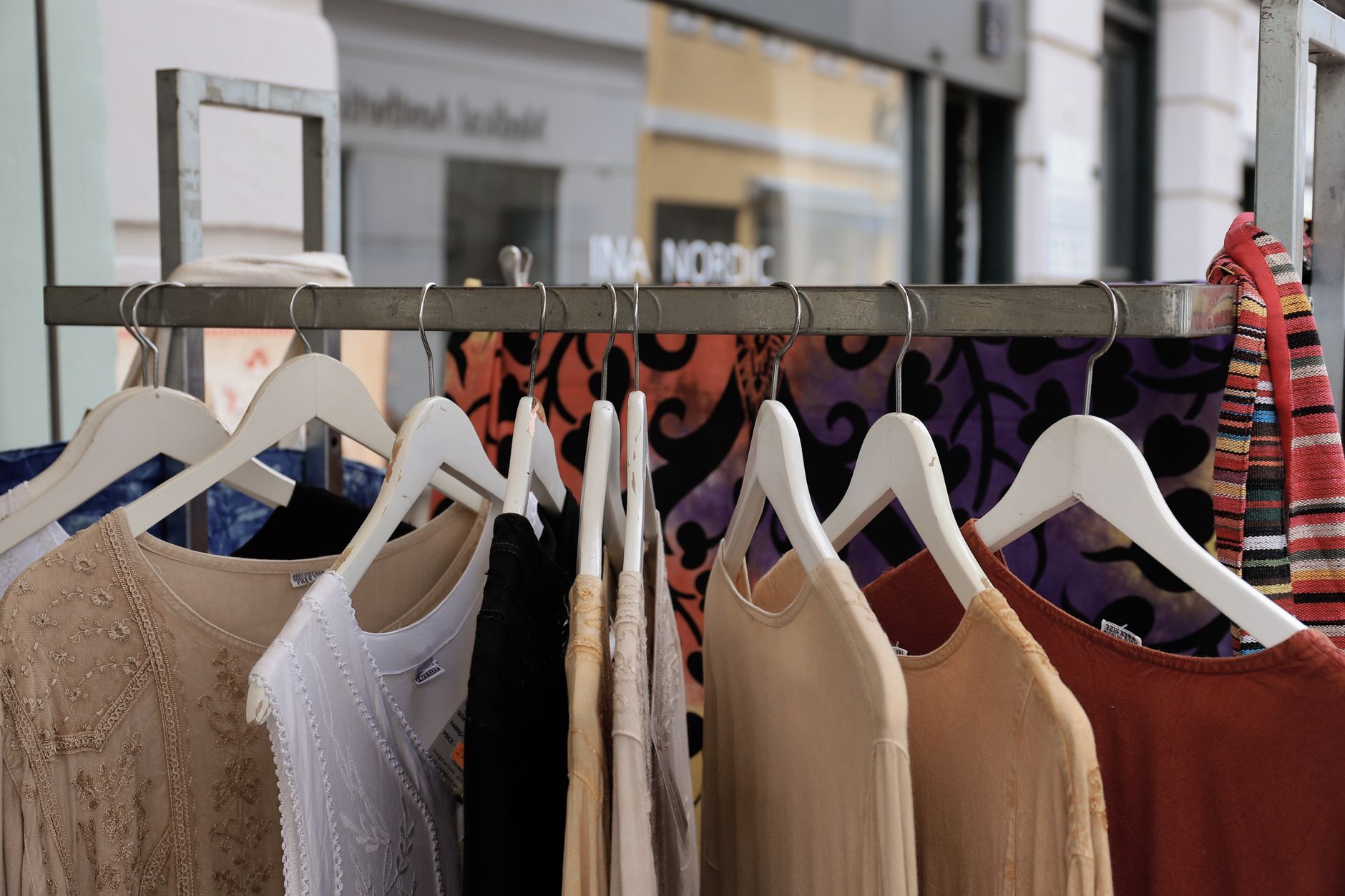
These two retailers occupy completely different emotional spaces on the high street, which is part of what makes comparing them so interesting. Primark is the thrill of the grab, the £7 top that somehow fits perfectly. M&S is the reliable old friend, the one your mum always swore by and you quietly admit she was right about. But in 2026, both have evolved in ways that scramble those assumptions.
Quality: what you actually get for your money
Let’s be straight about this. Primark’s quality varies enormously depending on the garment. A basic cotton T-shirt from Primark can hold up remarkably well through a dozen washes. A more fashion-forward piece, something with embellishment or a looser weave, often shows its age by the third wear. I bought a knitted cardigan there last autumn and by January it was pilling badly enough to make me wince every time I wore it.
M&S plays a more consistent game. Their Per Una and Autograph ranges are genuinely well-constructed, and the brand has put real effort into fabric sourcing since their 2023 quality reset. The stitching holds, the linings sit properly, and the washes tend not to warp the shape. That said, even M&S isn’t immune to the odd disappointing season. Their basics range, the everyday essentials section, can feel thin for the price point.
The honest verdict on quality: M&S wins for anything you plan to wear more than fifteen times. Primark wins when you need something for a specific occasion and don’t expect it to survive the year. Those are genuinely different shopping needs, and both are valid.
Sizing: which retailer actually fits real British bodies?
Sizing is where things get personal, fast. Primark’s sizing has long been erratic. A size 14 in one style can feel completely different from a size 14 in another, even within the same season. I’ve seen women online describe returning three different sizes of the same Primark dress because none of them fitted consistently. It’s a genuine frustration, and the lack of easy returns (Primark still doesn’t offer a formal refund on tried items in many stores) makes the gamble feel worse.
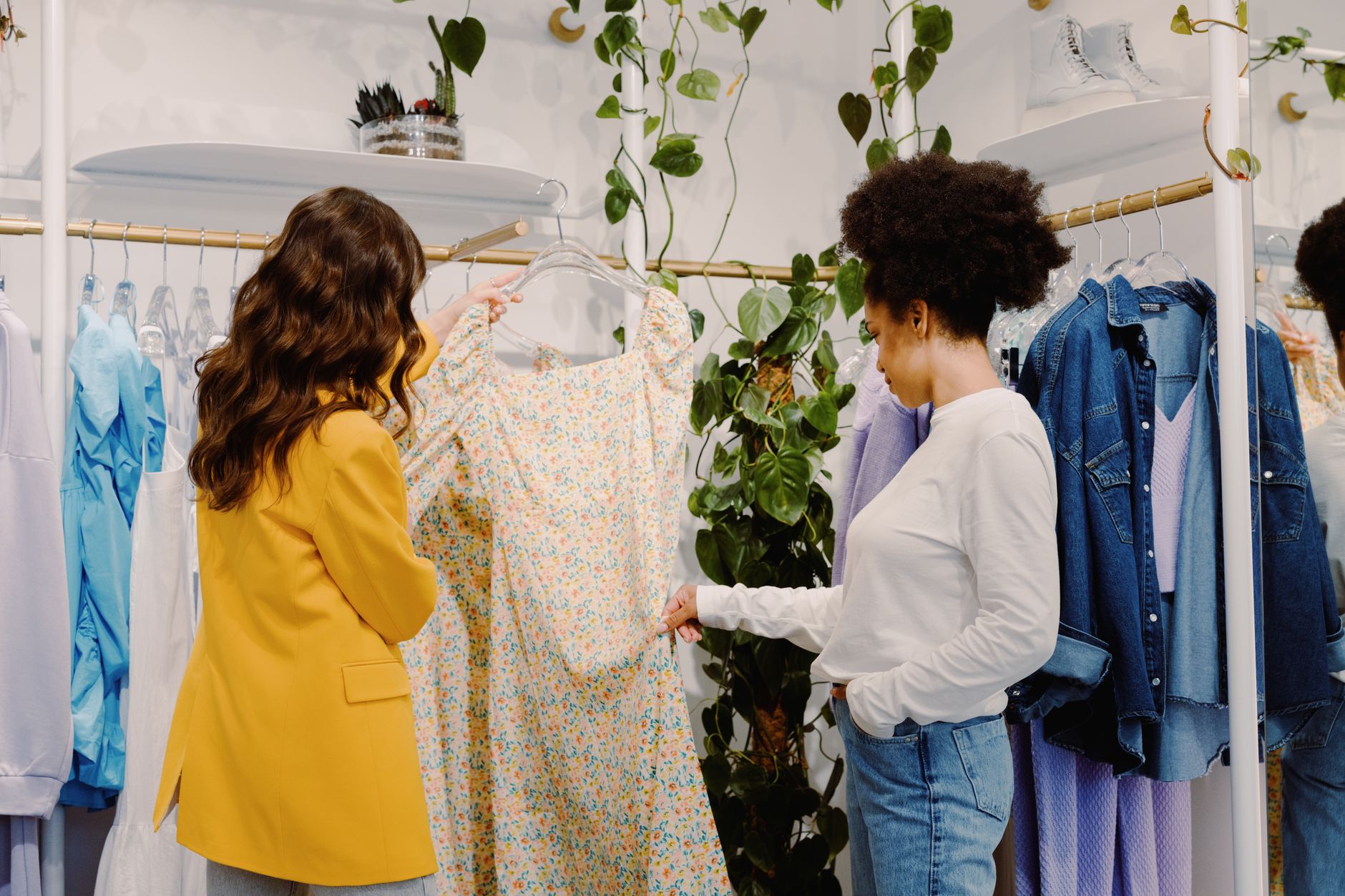
M&S has historically been more consistent, particularly for women over 35 who have felt ignored by fast fashion sizing models. Their Goodmove activewear line, for instance, sizes up to a 28 in many pieces, and the fit across that range has received genuinely positive feedback. The introduction of their online virtual fitting tool has also helped customers avoid the guesswork that once put people off ordering. According to BBC Business, M&S has been one of the few high street retailers to grow its clothing market share meaningfully over the past two years, and better sizing inclusivity is frequently cited as a contributing factor.
Primark is making efforts. They’ve extended their size range in store, with more styles now going up to a size 26, and some locations have dedicated plus-size sections rather than the old habit of tucking a few larger sizes onto the main rail. Progress, but not quite parity with M&S yet.
Value: and what that word actually means in 2026
Here’s where the comparison gets genuinely complicated. Primark is obviously cheaper on a per-item basis. A pair of linen trousers from Primark might cost £16. The equivalent from M&S could be £45. On pure price, Primark wins every time.
But value isn’t the same as price. If the Primark trousers need replacing after one summer and the M&S ones last three, the M&S pair costs less per wear. This cost-per-wear argument has been gaining traction among British shoppers who’ve become more conscious about the environmental and financial impact of buying cheap and often. Some of us, having read pieces about what actually happens to fast fashion returns, are rethinking the whole model.
There’s also the question of what you’re wearing and why. For trend-led pieces, the ones tied to a particular season or moment, Primark makes complete sense. You’re not buying a £6 crop top to last a decade. For wardrobe staples, the coat, the well-cut trousers, the blazer that works across multiple outfits, M&S is harder to argue against.
I’d also mention that M&S’s Sparks loyalty scheme gives regular shoppers genuine discounts and early access to sales, which softens the price gap more than people realise. If you shop there a few times a year, you’re probably paying less than the ticket price suggests.
The ethical dimension neither retailer has fully solved
Both brands talk about sustainability. M&S’s Plan A commitments are long-standing and reasonably well-documented. Primark’s Primark Cares initiative has pledged to make all products from more sustainable or recycled materials by 2030. Whether either brand is doing enough is a separate and longer argument.
What’s clear is that British shoppers are paying more attention than they used to. The growth of vintage and second-hand shopping, which I’ve written about before in a piece on why vintage stores are taking over British high streets, is partly a response to frustration with both ends of the market: the throwaway culture of fast fashion and the premium prices of supposedly ethical brands.
If you care about this stuff, M&S is the more transparent of the two, though transparency and actual ethical practice aren’t always the same thing. Primark’s sheer volume makes it harder to audit. That’s not a reason to avoid it entirely, but it’s worth factoring in when you’re deciding where your pounds go.
So which one should you actually be shopping at?
My honest answer: both, strategically. Use Primark for trend items, occasionwear you’ll wear twice, and anything your kids will grow out of in three months. Use M&S for investment basics, outerwear, swimwear, and anything you want to still be wearing in 2028.
The shoppers I know who dress really well on a normal budget, not celebrity money, the kind of style that makes you look twice in the street, tend to mix both. A great coat from M&S. A fun printed blouse from Primark. Smart trousers from M&S. A festival outfit from Primark. It’s not either/or, and anyone telling you it is probably hasn’t thought it through properly.
On a completely separate note, if you’re working on your general wellbeing alongside your wardrobe refresh this year, some readers have been exploring products like those stocked by HealthPod Mansfield as part of their broader health routines. Entirely your call, but worth knowing the option exists.
The British high street is not dying; it’s sorting itself out. M&S and Primark will both still be standing when the dust settles because they serve genuinely different needs. Understanding which need you’re shopping for on any given day is, frankly, the most useful wardrobe skill you can develop. For more on building a wardrobe that actually works for you, have a look at our guide to quiet luxury and why less is more in 2026.
Frequently Asked Questions
Is Primark better quality than it used to be in 2026?
Primark has made some improvements, particularly in its basics range and extended sizing options, but quality still varies a lot between product lines. Simpler garments like plain T-shirts and jersey basics hold up reasonably well; more complex pieces with embellishment or looser weaves tend to show wear quickly.
Is M&S clothing worth the extra cost compared to Primark?
For wardrobe staples you plan to wear repeatedly, M&S generally offers better cost-per-wear value despite higher ticket prices. Their fabrics wash better and keep their shape longer. For trend-driven or occasional pieces, Primark’s lower prices make more sense.
How does M&S sizing compare to Primark for plus-size shoppers?
M&S has a more consistent and inclusive size range, with many styles extending to a size 28 and more reliable fit across sizes. Primark has expanded its range but sizing can still be inconsistent between styles, and the no-refund policy makes the guesswork more frustrating.
Can you return clothes to Primark if they don't fit?
Primark’s returns policy is more limited than most UK retailers. They accept returns of unworn, tagged items within 28 days for a refund or exchange, but the policy around tried-on items varies by store. Always check in-store before purchasing if you’re unsure about sizing.
Which retailer is more ethical, Primark or Marks & Spencer?
M&S has more transparent sustainability commitments through its long-running Plan A programme and is generally easier to audit. Primark’s Primark Cares initiative has pledged significant changes by 2030, but its sheer production volume makes independent verification harder. Neither is perfect, but M&S currently leads on transparency.
Leave a Reply