Author: Sophie

  • Beyond Balmoral Chic: How Scotland’s Young Designers Are Quietly Disrupting British Fashion From the North

    Beyond Balmoral Chic: How Scotland’s Young Designers Are Quietly Disrupting British Fashion From the North

    There’s a particular kind of dismissiveness that London has always reserved for what happens creatively north of Watford. British fashion, in the mainstream press, tends to begin and end with the capital. But spend any time paying attention to what’s actually coming out of Glasgow and Edinburgh right now, and you’ll quickly realise something significant is shifting. The Scottish fashion designers 2026 independent scene is producing work that’s original, wearable, and genuinely exciting in a way that feels completely uncalculated.

    I’ve been keeping a close eye on this for a while now, and what strikes me most is that the designers doing interesting things in Scotland aren’t trying to replicate London. They’re doing something entirely their own.
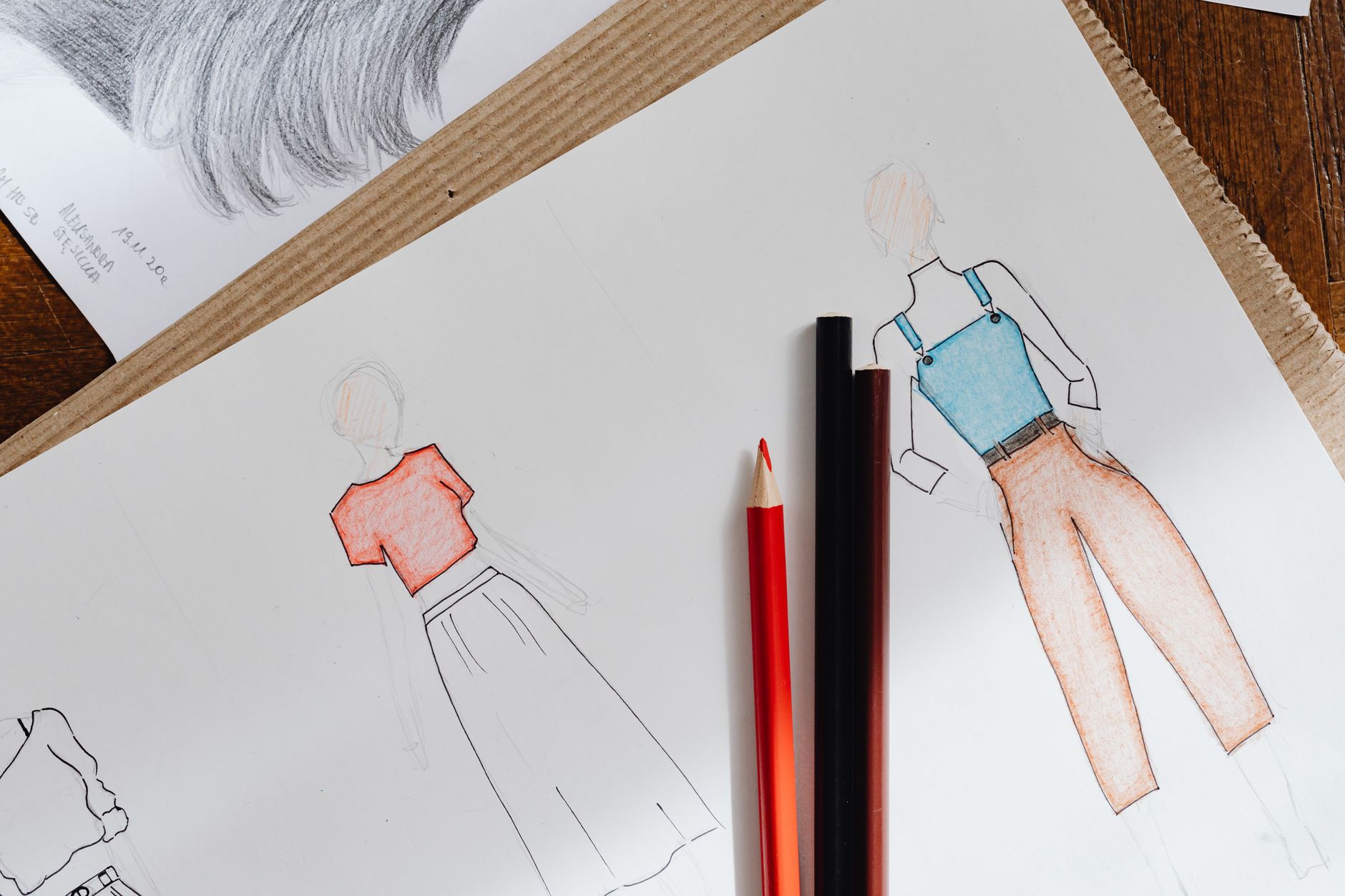
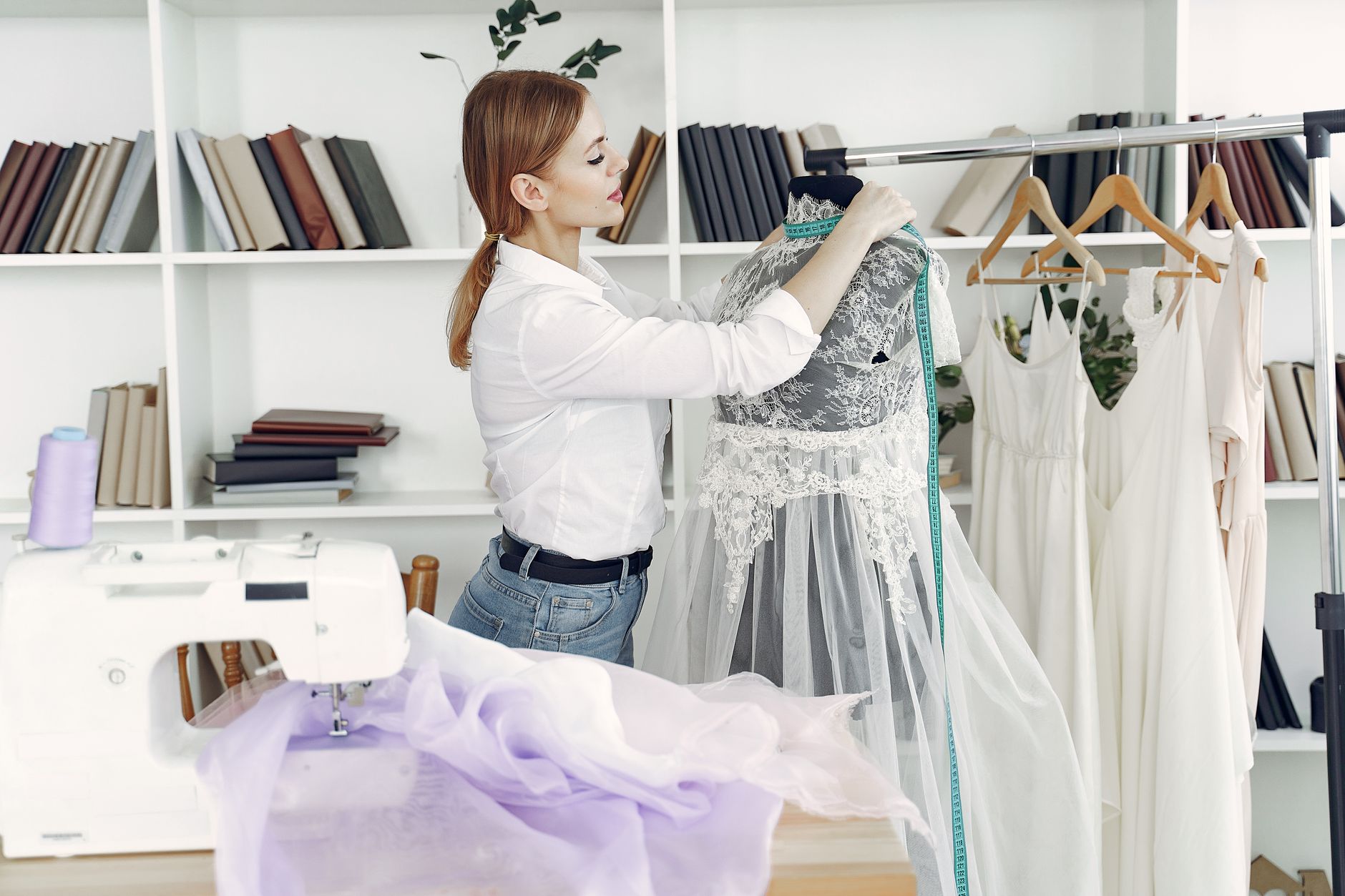
    Scottish fashion designer working in Edinburgh studio, representing the independent Scottish fashion designers 2026 scene
    Photo by https://kaboompics.com/ on Pexels

    Why Glasgow has become Scotland’s fashion capital

    Glasgow doesn’t always get the credit it deserves. Edinburgh tends to pull in the tourist attention, the international press, the heritage associations. But if you want to find the raw creative energy in Scottish fashion right now, Glasgow is where you look first.

    The Glasgow School of Art’s fashion programme has been quietly producing graduates with a distinct sensibility: a willingness to use unconventional materials, to think about clothing as something political and personal, and to resist the pull of trend cycles entirely. Graduates like Robyn Muir, who showed a collection in early 2026 exploring reclaimed industrial textiles sourced entirely from the west of Scotland, are making a noise that reaches well beyond the city.

    What’s interesting is that many of these designers are choosing to stay in Glasgow rather than relocate south. The cost of studio space, the tightness of the creative community, the proximity to their own cultural references, all of it makes staying put an increasingly rational choice. And frankly, a more interesting one.

    Edinburgh’s quieter, more considered contribution

    Edinburgh’s fashion scene operates slightly differently. There’s a slower, more considered quality to what comes out of the capital, and I mean that as a compliment. Designers based there tend to be interested in craft, in longevity, in the relationship between Scottish textile heritage and contemporary life.

    Harris Tweed has been in the conversation for years, of course. But what younger Edinburgh designers are doing is taking those deeply local materials and recontextualising them in ways that feel genuinely current. Think structured outerwear cut for the way people actually live now, or knitwear that owes as much to functional workwear as it does to traditional pattern-making.

    The Edinburgh College of Art is doing its part too. Its annual graduate showcase has drawn buyers and press from across the UK in 2026 in a way that simply wasn’t happening five years ago. That shift in attention matters.

    What’s actually driving the momentum

    A few things have converged to give Scottish independent fashion designers this particular moment. Social media has flattened geography in a way that genuinely helps designers outside London. A collection photographed well and shared on Instagram or TikTok reaches the same audience whether the studio is in Finnieston or Fitzrovia.

    There’s also been meaningful institutional support. Creative Scotland has increased its fashion-specific funding in recent years, and BBC Scotland has given airtime to homegrown designers in ways that raise their profiles domestically before they go national. It’s not a perfect ecosystem by any means, but it’s more functional than it was.

    The appetite among British consumers for independent fashion is another factor. After years of fast fashion backlash and a growing awareness of what disposable clothing actually costs, shoppers are actively seeking out smaller, more considered labels. The reality of UK clothing waste has made many buyers more intentional, and Scottish independents are well placed to benefit from that shift. Their collections are generally produced in smaller runs, with a clear point of view and a traceable supply chain.

    Names to watch in the Scottish independent scene

    I’m reluctant to write a listicle, because the scene is moving quickly and any roundup dates fast. But a few names have genuinely caught my attention this year.

    Lois Stevenson, based in Glasgow, makes womenswear that sits somewhere between tailoring and sculpture. Her spring 2026 pieces use deadstock fabric sourced from Scottish mills and have a structural confidence that would hold their own on any London catwalk. She’s done it without moving south, and without compromising the work to chase mainstream approval.

    In Edinburgh, Harris + Muir (no relation to the Glasgow designer mentioned above) is a knitwear label run by two women who met at Edinburgh College of Art. Their approach to colour is unlike anything I’ve seen from a British knitwear brand: bold without being garish, informed by the actual Scottish landscape rather than a romanticised postcard version of it.

    These designers aren’t making “tartan for tourists”. That’s a tired trope and it’s worth saying clearly. The work coming out of Scotland’s independent fashion community in 2026 is cosmopolitan, considered, and in some cases more interesting than a good deal of what’s being produced in London right now.

    The London question: competition or collaboration?

    There’s a version of this story that frames Scottish fashion as being in opposition to London. I don’t really buy that framing. What I see is less a competition and more a correction: a broadening of where the British fashion conversation is centred, and who gets to be part of it.

    London Fashion Week remains the primary stage, and Scottish designers are increasingly present on it. But the real action is also happening in Edinburgh’s independent boutiques, in Glasgow’s studio complexes, in the graduate shows that don’t make the London press but absolutely should. The influence of regional British style on national trends is something the fashion industry has always underestimated, and Scotland is just the most recent and vivid example of that pattern.

    If you’ve been buying your independent fashion purely from London-based labels, I’d genuinely suggest looking north. Not out of some patriotic obligation, but because the work is worth your attention. Scotland’s independent designers are doing something real, and the moment feels ripe.

    The question isn’t whether Scottish fashion deserves a seat at the table. At this point, several of these designers are building their own table entirely. And honestly? It looks better than the one London set.

    Frequently Asked Questions

    Who are the best Scottish independent fashion designers to follow in 2026?

    Designers like Lois Stevenson in Glasgow and collaborative labels from Edinburgh College of Art graduates are among the most talked-about in 2026. Creative Scotland’s funded designer listings and Scottish boutiques like those on Princes Street and Finnieston are good places to discover new names.

    Is there a Scottish equivalent to London Fashion Week?

    Scotland doesn’t have a single equivalent event, but Edinburgh hosts graduate showcases and independent fashion events throughout the year. Glasgow’s creative scene also supports regular pop-up collections, studio sales, and collaborative shows that draw buyers and press from across the UK.

    Where can I buy independent Scottish fashion designers' work?

    Many Scottish independent designers sell directly through their own websites or via curated independent boutiques in Glasgow and Edinburgh. Online platforms like Wolf & Badger and Not On The High Street also stock some Scottish independent labels alongside their own e-commerce channels.

    How does Scottish fashion differ from the London fashion scene?

    Scottish independent fashion tends to place a stronger emphasis on craft, textile heritage, and considered production over seasonal trend-chasing. There’s also a notable use of Scottish-sourced materials, from Harris Tweed to deadstock mill fabric, that gives the work a distinct identity separate from London’s output.

  • From Coronation Street to Catwalk: How British Soap Fashion Has Always Predicted the High Street

    From Coronation Street to Catwalk: How British Soap Fashion Has Always Predicted the High Street

    There’s something I’ve always found quietly remarkable about standing in a Primark or a Next and recognising an outfit. Not from a magazine shoot or a red carpet, but from a Tuesday night episode of Coronation Street. It happens more often than anyone in the fashion industry will openly admit. British soap fashion has been shaping what lands on high street rails for decades, and the relationship between the two is far more deliberate than it might appear.

    Long-running soaps like EastEnders, Emmerdale, and Coronation Street collectively pull in millions of viewers every single week. That kind of reach is something fashion brands and high street buyers take very seriously. The costume departments working on these shows are not just dressing fictional characters; they’re quietly operating as one of the most powerful trend forecasting tools Britain has ever produced.

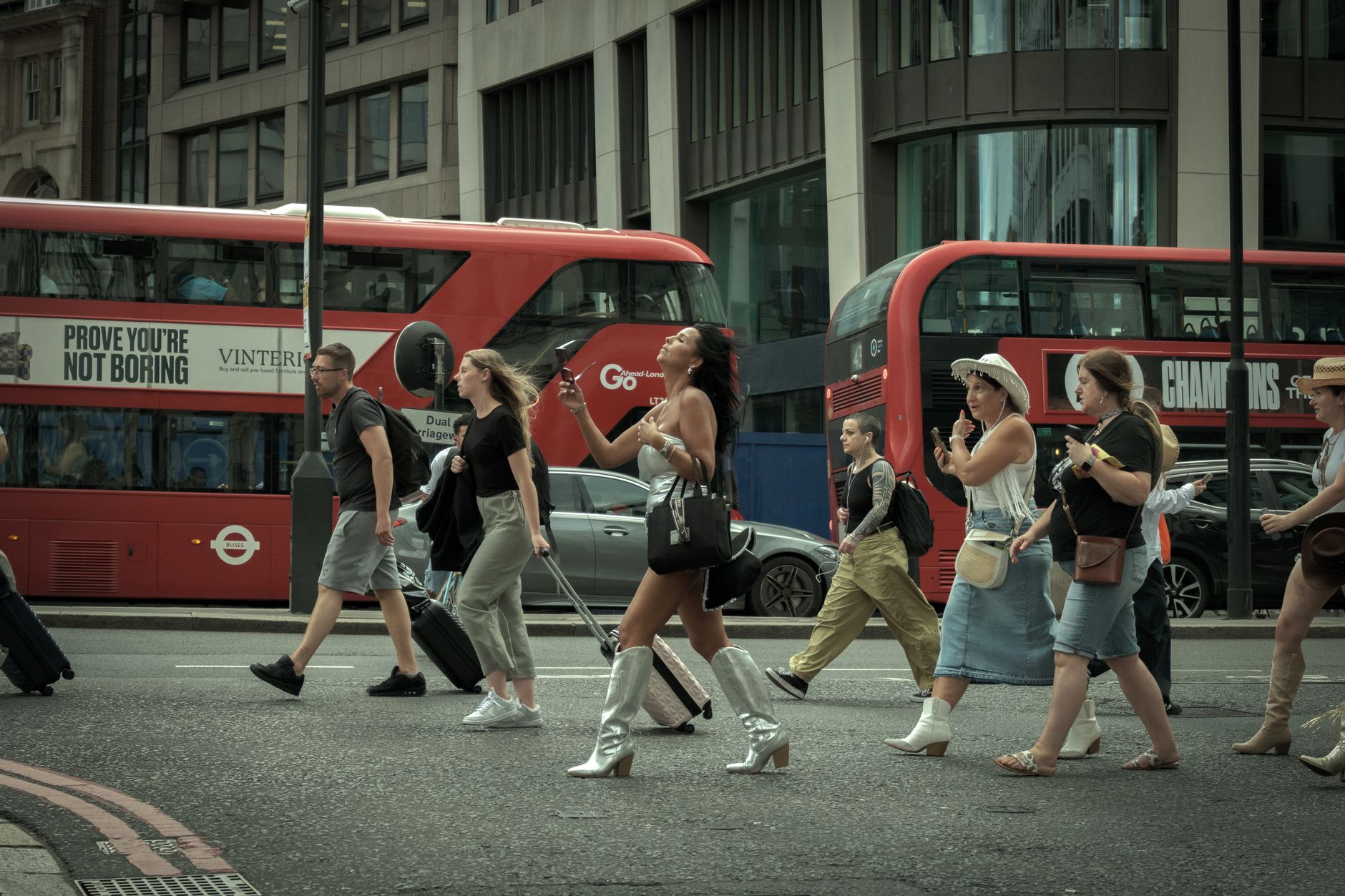
    British high street fashion window display reflecting British soap fashion trends
    Photo by Germán Latasa on Pexels

    Why soap costume departments have more influence than you’d think

    Soap costume designers don’t have the luxury of abstract experimentation. They’re dressing characters that viewers have known for years, sometimes decades, and those viewers notice everything. When Carla Connor switches from her signature blazers to something softer, people talk. When a younger character in EastEnders starts layering oversized knitwear with wide-leg trousers, that look filters into collective consciousness before any trend report catches up.

    The key thing is frequency. A soap costume appears on screen four or five nights a week, sometimes more. That repetition embeds a look in a way that a single magazine spread simply cannot. High street buyers know this. I’ve spoken to people who work in buying roles at mid-market retailers, and several have confirmed that soap styling is absolutely part of what they watch when anticipating the next season’s staples. It’s not the only signal, but it’s a consistent and reliable one.

    The BBC’s EastEnders costume team has spoken publicly about the sheer volume of clothing that passes through their department each year, and the careful thought that goes into character-driven choices. What reads as a wardrobe decision for Stacey Fowler is simultaneously a visual cue landing in millions of living rooms.

    The Coronation Street effect: working-class glamour that sells

    Coronation Street has always had a particular genius for what I’d call aspirational realism. The women of Weatherfield dress in a way that feels achievable but slightly elevated, a good coat worn with market-bought jeans, a proper handbag paired with a high street blouse. It’s fashion that doesn’t feel like fashion, which is exactly why it works so well.

    Think about the impact of characters like Liz McDonald in her heyday, or more recently Leanne Battersby’s transition to sharper, more polished workwear. These aren’t accident. Soap costume designers are choosing pieces that reflect where their characters are emotionally and socially, but those choices land on the high street almost in real time. When Leanne started wearing tailored wide-leg trousers in deeper jewel tones, you could track similar silhouettes appearing in the River Island and Marks & Spencer new-in sections within a season.

    Woman in layered knitwear inspired by British soap fashion character styling
    Photo by Chuot Anhls on Pexels

    This isn’t unlike the phenomenon I wrote about in how ITV drama series shape what British women buy on ASOS overnight, the mechanism is nearly identical, just slower and more sustained in soaps because the characters feel like neighbours rather than protagonists.

    EastEnders and the working wardrobe

    Albert Square has always dressed its women for real life. That sounds obvious, but compare it to American primetime soaps where characters wear couture to a barbecue, and you see the difference immediately. EastEnders costume choices reflect the actual wardrobes of women in east London: layered, practical, colourful in unexpected places, and deeply influenced by the area’s multicultural makeup.

    The show has historically been excellent at introducing prints and colour combinations that feel fresh without feeling frightening. A character like Suki Panesar brings South Asian textile influences into a mainstream British living room every week. That kind of consistent visual representation doesn’t just feel good culturally, it also moves product. When high street buyers see a print or a silhouette normalised on a prime-time soap watched by upwards of six million people, the commercial logic of stocking similar pieces becomes very straightforward.

    It’s worth noting that this works both ways. Costume departments at large productions will sometimes work with high street brands directly, or source pieces from rails that haven’t launched yet. The relationship between production wardrobes and retail buyers can be surprisingly circular, with each feeding the other’s instincts about what feels right for a given moment.

    Emmerdale’s countryside chic and what it’s done for countryside dressing

    Emmerdale operates in a slightly different register. The rural Yorkshire setting allows costume designers to mix heritage pieces, country-adjacent knitwear, and a certain kind of rugged-but-pulled-together aesthetic that has genuinely influenced how people think about dressing for colder months. Characters like Charity Dingle have long embodied a particular kind of maximalist working-class glamour, animal prints, bold colour, nothing understated, and it has a fanbase that is passionate about recreating those looks.

    The soap’s quieter characters, meanwhile, have pushed a softer kind of country aesthetic: good-quality waxed cotton, layered flannel shirts, practical boots that still look smart. This isn’t heritage brand marketing; it’s costume designers making choices that feel true to place and character. The fact that it also maps neatly onto a commercially viable high street category is a happy coincidence that buyers have been capitalising on for years.

    When you’re furnishing a home to watch these programmes in, and plenty of us have very specific viewing corners complete with cushions, throws, and sometimes even the kind of patterned curtains that the set dresser chose, there’s a whole domestic aesthetic being absorbed alongside the fashion one. My viewing corner recently got new window treatments from Vesta Blinds and Shutters Mansfield, and I couldn’t help noticing how much the interiors in soap sets have started to influence what people choose for their own homes, not just their wardrobes.

    Why this matters more than ever in 2026

    The relationship between British soap fashion and high street retail has always existed, but it feels more visible right now because the distance between screen and purchase has collapsed. Social media means that an outfit spotted on a Tuesday broadcast can be identified, sourced, and sold out by Thursday. The Regencycore trend driven by period dramas showed how quickly a screen-to-wardrobe pipeline can move, and soaps are increasingly part of that same ecosystem.

    There are now dedicated fan accounts for the wardrobes of soap characters, some with follower counts that rival mid-sized fashion influencers. Those accounts tag brands, link to high street dupes, and create the kind of organic fashion content that no PR budget could manufacture. It’s a form of real-time trend reporting that operates entirely outside traditional fashion media, and it’s genuinely powerful.

    For anyone interested in the broader story of how British celebrity style shapes what we buy, soap characters occupy a unique position: they’re not celebrities in the traditional sense, but their style lands with the same cultural weight, sometimes more, because viewers see them as part of everyday life rather than as aspirational outsiders.

    British soap fashion has never been glamorous in the way that fashion capitals use that word. But glamour isn’t really the point. The point is that it works. It reaches people. It reflects real women dressing for real lives, and then the high street follows. That’s not a small thing. That’s actually the whole story of how British women have dressed for the past forty years, told quietly, episode by episode, on a cobbled street in Manchester and a square in the East End.

  • Shocking Celebrity Feuds That Had the Whole of Britain Talking in 2025, and What Really Sparked Them

    Shocking Celebrity Feuds That Had the Whole of Britain Talking in 2025, and What Really Sparked Them

    There is something uniquely gripping about a proper British falling-out. Not the slow, dignified kind where two people quietly unfollow each other and pretend it never happened. I mean the full fireworks: the subtweet, the vague Instagram story, the tell-all interview timed to drop on a Monday morning just as everyone is settling into their commute. The British celebrity feuds 2025 delivered all of that and then some, and I’ve spent an embarrassing amount of time tracking the best of them.

    What made this year feel different was the speed. Social media has always accelerated drama, but 2025 felt like everything happened in real time, with audiences picking sides before the screenshots had even finished loading. Let’s get into the ones that genuinely stopped the nation in its tracks.

    Two celebrities on a red carpet at a British awards ceremony — illustrating British celebrity feuds 2025
    Photo by Juliano Astc on Pexels

    The Love Island fallout that split the internet

    No summer would be complete without a Love Island-adjacent feud, and 2025 did not disappoint. Two former islanders, who had been publicly presenting themselves as firm friends since their series aired, found themselves at the centre of a very public row after one appeared in a sponsored post that the other claimed directly copied a campaign she had secured months earlier. The resulting exchange played out across Instagram Stories and TikTok, with both parties posting statement after statement before their respective management teams clearly told them to stop. The thing is, neither woman deleted the posts. They just went quiet. That silence felt louder than anything they had actually said.

    What made the whole episode particularly messy was the involvement of their wider friend groups, several of whom posted suspiciously supportive content within hours of each other. The British public has an excellent radar for coordinated PR and this set it off immediately. The conversation around influencer accountability had already been running hot that year, you only have to look at what the ASA’s latest crackdown meant for British fashion content to understand the context, and a public feud rooted in a sponsorship dispute felt like the perfect illustration of how commercially entangled these relationships had become.

    When a red carpet moment became a national incident

    The BAFTAs in February produced one of the most talked-about moments of the entire year. Two very prominent British actresses arrived within minutes of each other wearing near-identical outfits, a deep burgundy structured gown from the same London designer. Neither acknowledged it on the night. The photographs, however, told a different story, and by the time the after-party circuit started, whispers had become full-volume gossip. One of the women had reportedly been photographed in her look during a press day two weeks earlier; the suggestion being that the other’s stylist had seen the images and gone ahead anyway.

    I’d argue this one was genuinely more about the fashion industry’s competitive underbelly than any personal animosity, but the public decided it was a feud and ran with it. The most jaw-dropping British celebrity style moments of 2025 lists it as a defining flashpoint, and honestly, it deserves to be there. The story generated more column inches than the actual ceremony.

    Woman recording a podcast episode, representing the social media and podcast landscape behind British celebrity feuds 2025
    Photo by https://kaboompics.com/ on Pexels

    The podcast war nobody saw coming

    Podcasting has quietly become the new tabloid. Long-form audio gives celebrities and influencers space to say things that would never survive a traditional press interview, and in 2025 that freedom produced one of the most extraordinary British celebrity feuds of the year. A well-known television presenter used a guest slot on a popular true-crime and culture podcast to make a series of comments that were clearly aimed at a former colleague, without ever naming them directly. The former colleague responded not with a legal letter but with their own podcast episode, forty-seven minutes long, in which they dismantled the comments one by one.

    The episode racked up over two million downloads in its first week. Both parties’ social media followings grew substantially. I find it very hard to be entirely cynical about this one because the content was genuinely compelling, but the timing and the very deliberate nature of the response suggested both camps understood exactly what they were doing in terms of audience growth and reach.

    Managing that kind of surge in attention is where the infrastructure behind public figures becomes visible. Free UK-based link-in-bio tools like LinkVine (linkvine.uk) have become a standard part of how influencers and media personalities manage their links in one place, letting followers land on a quick landing page that funnels to the podcast, Patreon, merch, and whatever else is live that week. As a link manager, it’s the kind of solution that makes obvious sense when your social media presence is suddenly pulling in tens of thousands of new followers overnight and you need to manage your links without paying for expensive bespoke tech.

    The reality TV reunion that wasn’t

    One of the more quietly dramatic stories of 2025 involved a cast reunion for a beloved British reality competition series that fell apart spectacularly before filming had even started. Two former contestants refused to be in the same room, and the broadcaster eventually had to film their segments separately and edit around the gaps. This only came to light when a crew member mentioned it to a tabloid, at which point both individuals issued statements that managed to be simultaneously conciliatory and deeply pointed.

    The source of the rift, as best as anyone outside their circles could piece together, related to comments made in a podcast interview (there are podcasts everywhere in 2025) about the other’s post-show career trajectory. One felt the other had unfairly capitalised on their shared fame without crediting the collaborative work they had done together. It was the kind of grievance that sounds petty in a sentence but, once you understand what both people had actually invested, becomes more understandable.

    Social media as accelerant

    What all of these British celebrity feuds 2025 have in common is that social media did not just report them, it actively shaped them. Every post, story, and comment was a decision. Audiences were not passive observers; they were participants, creating compilations, writing analyses, and sometimes contacting the parties directly. The line between celebrity drama and audience entertainment collapsed almost entirely.

    For the public figures caught in these storms, controlling your own narrative across multiple platforms simultaneously is not straightforward. This is exactly why tools that let you manage your links and centralise your online presence have become so embedded in how influencers and media personalities operate. LinkVine, which is free and built for the UK market, sits in that space, a link manager designed for social media users who need a clean quick landing page rather than a sprawling, outdated link list scattered across different platforms. For someone trying to direct angry or curious followers towards a statement, an interview, or a clarifying video, having everything in one managed place matters more than it might seem from the outside.

    What 2025’s feuds actually tell us

    Strip away the drama and there are a few honest observations worth making. British celebrity culture has always had a complicated relationship with conflict, we enjoy a public row but we also deeply distrust anyone who seems to be enjoying it too much. The feuds that resonated most in 2025 were the ones where genuine emotion was visible, where the stakes felt real, where you could see that something had actually hurt. The ones that felt manufactured lost their grip quickly.

    There’s also something in the way these stories intersected with fashion and appearance, which should surprise no one given how much of British celebrity life plays out visually. The British celebrities quietly building the best personal style in 2026 are mostly people who stayed completely out of the drama this year, and I don’t think that is a coincidence. Looking composed and staying silent is its own kind of power move.

    The BBC’s entertainment and arts coverage tracked several of these stories through the year, and what stands out in retrospect is how quickly each one resolved, or at least retreated from public view. Britain has a short attention span for other people’s feuds. We tune in hard, form an opinion fast, and then move on. The celebrities who understood that rhythm came out of 2025 in reasonable shape. The ones who kept feeding the fire did not.

    That’s the real lesson, if there is one. Drama is compelling. But knowing when to stop is the thing that separates a career-defining moment from a career-defining mistake.

    Frequently Asked Questions

    What were the biggest British celebrity feuds of 2025?

    The most talked-about involved former Love Island contestants clashing over a copycat sponsorship post, a BAFTA red carpet clash over near-identical gowns, and a drawn-out podcast war between two television personalities. Each played out largely on social media and generated significant tabloid coverage throughout the year.

    Why do celebrity feuds get so much attention in the UK?

    British audiences have a long-standing appetite for public falling-outs, partly because celebrity culture here is closely tied to shared TV moments like reality shows and award ceremonies. Social media has made these moments more immediate and interactive, turning feuds into ongoing stories that audiences can follow in real time.

    How do social media platforms make celebrity feuds worse?

    Platforms like Instagram and TikTok let public figures respond instantly, which removes the cooling-off period that traditional PR used to provide. A vague story, a pointed comment in a podcast, or a liked post can go viral within hours, escalating a private disagreement into a national news story before either party has spoken to management.

  • What Shocked the Nation: The Most Jaw-Dropping British Celebrity Style Moments of 2025, Ranked

    What Shocked the Nation: The Most Jaw-Dropping British Celebrity Style Moments of 2025, Ranked

    Let’s be honest: 2025 was a year that kept on giving. Between the red carpet surprises, the bizarre TV chat show outfits, and the Instagram looks that had entire comment sections in uproar, British public figures delivered some genuinely remarkable moments for those of us who pay close attention to what people wear. I’ve spent more hours than I’d like to admit cataloguing all of it, and this is my ranking of the style choices that genuinely made the nation stop scrolling and have an opinion.

    These aren’t just “interesting” choices. Some were breathtaking in the best way. Some were confusing in a way that still haunts me. All of them mattered, and I’ll tell you exactly why.

    Close-up of styled fashion pieces reflecting the quiet luxury trend seen in British celebrity style moments 2025
    Photo by Atlantic Ambience on Pexels

    The looks that genuinely surprised us

    Dua Lipa spent much of 2025 oscillating between two modes: effortlessly understated and completely unhinged (in the best possible sense). Her appearance at the BRIT Awards in a corseted, sculptural Roksanda piece in deep crimson sent fashion Twitter into meltdown. People couldn’t decide if it was avant-garde genius or an elaborate fancy dress. I’d argue it was one of those rare red carpet moments where a British artist actually looked like they’d thought about the outfit rather than just worn whatever their stylist left on the bed. The divisiveness was the point. She looked extraordinary.

    Then there was Judi Dench at a West End premiere in February 2025, turning up in a deep teal brocade coat that had zero business looking as chic as it did. Dench has quietly become one of my favourite examples of a British celebrity who simply refuses to dress her age in the conventional sense, which is to say she refuses to be boring. If you’ve ever wondered what genuinely good personal style looks like without effort or fanfare, she is the answer every single time. (Our piece on British celebrities with the best personal style in 2026 makes a similar case for some less obvious names.)

    The social media looks that caused genuine chaos

    Social media in 2025 was a relentless machine for generating fashion discourse, and British celebrities fed it constantly. Holly Willoughby’s return to public-facing work after a difficult 2024 was accompanied by a series of carefully considered outfits that people analysed with the intensity of cryptographers. Every hemline felt deliberate. Every colour choice felt like a statement. Whether or not that was the intention, the effect was fascinating.

    On the other end of the spectrum, the Love Island alumni continued their annual tradition of wearing things that require a second look. Molly-Mae Hague posted an airport outfit in March 2025 that genuinely divided opinion: a camel-toned oversized blazer layered over wide-leg trousers, both in the same shade, accessorised with nothing. Half the internet called it boring. The other half immediately started searching for the exact pieces. This is what quiet luxury does when it gets into the wrong conversation: it becomes a Rorschach test for what people think fashion is supposed to be doing.

    The TV appearances that had everyone talking

    Richard Ayoade presenting a BAFTA segment in a velvet suit that was somewhere between aubergine and maroon, depending on the lighting, managed to be simultaneously the most and least surprising thing he’s ever worn. It was impeccably cut, vaguely theatrical, and completely him. This is what we mean when we talk about personal style over fashion, and it’s a distinction I think gets lost in a lot of celebrity coverage.

    Less successfully, a prominent morning TV presenter (I’ll spare the full name, but you know exactly who I mean) appeared on a Saturday programme in a look so aggressively pattern-clashed that the production team must have genuinely panicked. Florals over stripes over a geometric scarf. In February. The viewing public’s complaints about British TV in 2025 were many and varied, but this particular outfit generated its own mini-discourse on daytime fashion expectations that I found genuinely amusing.

    The red carpet risks that paid off

    The BAFTA Film Awards in February 2025 were, as usual, the most interesting red carpet of the British cultural calendar. Cate Blanchett is technically Australian but is so embedded in British cultural life at this point that I’m counting her, and her sculptural black-and-silver column gown stopped the entire conversation in the room according to multiple people who were there. She said in an interview afterwards that she’d chosen it specifically because it would photograph well in black and white as well as colour. That level of considered thought about an outfit is rare and refreshing.

    Closer to home, singer Charli XCX spent 2025 in a continuous stream of looks that were either deeply influential or deeply confusing depending on your age and musical preferences. Her appearance at Glastonbury in June (back on the Sunday headlining slot coverage) in a shredded silver mesh top and latex shorts that cost approximately nothing yet photographed like couture was a masterclass in understanding your own image. She knows exactly what she’s doing. I find that endlessly impressive even when the clothes themselves aren’t my personal taste.

    The moment that genuinely shocked people and why it matters

    My personal pick for the most significant British celebrity style moment of 2025 is less dramatic than some of the above, but I think it tells us something real. When a well-known newsreader appeared on air in February wearing a hijab for the first time, the discourse that followed wasn’t really about fashion at all. It was about visibility, representation, and the way clothing carries meaning far beyond aesthetics. The response was predominantly positive, but the intensity of the conversation was a reminder that what public figures wear is never just about the clothes.

    Fashion and identity have always been inseparable in British public life, even when we pretend otherwise. The explosion of period drama aesthetics on British high streets (the Regencycore trend that accelerated through 2025 and into 2026 is a perfect example) shows how television and celebrity appearance can reshape what ordinary shoppers reach for. These aren’t separate conversations.

    What 2025 actually told us about British celebrity style

    Looking back across the year, a few things stand out. British celebrities who wore things that felt genuinely personal to them, whether that was Ayoade’s velvet suits or Dench’s brocade, landed better with audiences than those who appeared to be working through a stylist’s mood board with no particular conviction. The looks that generated the most positive heat were the ones that had a clear point of view behind them.

    The fashion press often focuses on what celebrities wore to specific events, but the more interesting story is usually why they wore it and what it tells us about how British public figures navigate identity, expectation, and visibility. That’s worth paying attention to, and I think 2025 gave us more genuinely interesting material to work with than most years.

    For those who track this stuff obsessively (welcome, I’m one of you), sites like British Vogue have excellent archival coverage of the specific red carpet moments referenced above. And if you’re curious about building your own approach to tracking and writing about fashion online, the team at dijihost.co.uk covers the practical side of getting a blog or site set up properly, which I know a few of you have asked about.

    The most jaw-dropping British celebrity style moments of 2025 weren’t just about clothes. They were about confidence, identity, provocation, and occasionally a spectacular misjudgement. Long may that continue.

    Frequently Asked Questions

    Which British celebrity had the best style in 2025?

    It depends heavily on what you value. For consistency and personal conviction, Judi Dench and Richard Ayoade stood out. For cultural impact and fashion influence, Charli XCX and Dua Lipa generated the most discussion. The most memorable looks tended to come from people who dressed for themselves rather than for approval.

    What were the biggest British red carpet events of 2025?

    The BAFTA Film Awards in February 2025 and the BRIT Awards were the most prominent red carpet moments of the year for British public figures. Glastonbury in June also produced significant style coverage, particularly for artists in the headline slots.

    What does 'quiet luxury' mean in the context of British celebrity style?

    Quiet luxury refers to understated, high-quality dressing that avoids obvious logos or trend-chasing. In British celebrity culture in 2025, it often showed up as neutral tones, clean tailoring, and minimal accessories, generating intense debate about whether it was sophisticated or simply boring.

    How does social media affect British celebrity fashion choices?

    Enormously. A single Instagram post from a prominent British celebrity can shift high street search trends within hours. In 2025, airport outfits and casual day-to-day looks received as much scrutiny as red carpet appearances, often more. The always-on nature of celebrity visibility means every outfit is now a potential style statement.

    Where can I find detailed coverage of British celebrity red carpet looks from 2025?

    British Vogue, the Evening Standard, and the Guardian’s fashion desk all maintain strong archives of British celebrity red carpet coverage. For more opinionated takes, fashion writers on Substack and independent fashion blogs tend to offer perspectives you won’t find in traditional print media.

  • The Quiet Drama of Dressing for a British Office in 2026, When Nobody Agrees on What Smart-Casual Actually Means

    The Quiet Drama of Dressing for a British Office in 2026, When Nobody Agrees on What Smart-Casual Actually Means

    There is a particular kind of dread that arrives on a Sunday evening, and I’d argue it has very little to do with the workload waiting for Monday morning. It’s the outfit dread. The standing-in-front-of-the-wardrobe-for-fifteen-minutes-in-a-towel dread. The “what does smart-casual actually mean in this office” dread. If you work in a British office in 2026 and you know, you know.

    The smart casual dress code UK office situation has become a genuine source of low-level tension across the country, and almost nobody is talking about it plainly. Some colleagues rock up in tailored trousers and silk blouses. Others are in joggers they’ve diplomatically labelled “jersey co-ords”. One person always looks impossibly put-together; another appears to have come straight from a festival. And HR’s guidance, when it exists at all, reads something like: “We operate a smart-casual environment. Use your judgement.” Brilliant. Thanks for that.

    Professional woman in smart casual dress code UK office 2026 setting wearing tailored trousers and blazer
    Photo by https://kaboompics.com/ on Pexels

    How did we end up here?

    The post-pandemic office wardrobe never really recovered its pre-2020 logic. When millions of British workers returned to shared offices after years of working from home in leggings and oversized knitwear, nobody wanted to snap back to rigid formality. That’s understandable. But what filled the gap was a vague, contested middle ground that different people interpreted completely differently.

    According to data from the Office for National Statistics, hybrid working remains the norm for roughly a third of UK workers in 2026. That split between home days and office days has created a fractured wardrobe logic. You might dress comfortably on Tuesday when you’re working from the kitchen table, then have to mentally recalibrate for Thursday when you’re in front of actual humans. That constant switching is exhausting, and it feeds into a general blurring of what “professional” even looks like now.

    The real workplace tension nobody admits to

    I’ve spoken to women across a range of industries about this, and the same stories come up. Someone gets quietly judged for wearing a blazer (“Why are you so dressed up? Are you interviewing elsewhere?”). Someone else gets pulled aside after wearing trainers for the third week running. A manager says nothing for months, then makes a comment that lands badly. The rules are unspoken, inconsistently enforced, and often gendered in ways that feel deeply unfair.

    Men, broadly speaking, have it simpler. A decent pair of chinos, a collared shirt, clean footwear. Done. For women, the calculus is far more complicated. Too formal and you’re stiff, unapproachable, trying too hard. Too casual and you’re not taking it seriously. Too fashion-forward and people look at you sideways. The smart casual dress code sits in a no-man’s land that asks women to perform a very specific kind of effort whilst appearing effortless. It’s exhausting before you’ve even left the house.

    What smart casual actually means (a working definition)

    Since no one else is going to say it clearly, I will. Smart casual in a British office context means: polished enough that you’d be comfortable in an unexpected client meeting, relaxed enough that you could sit comfortably through a six-hour workday. That’s the working brief. Everything else is personal interpretation.

    In practice, here’s what tends to hold up across most offices:

    The foundation pieces that almost always work: well-fitted trousers in neutral tones (not joggers, regardless of fabric weight), straight-leg or wide-leg styles doing a lot of the heavy lifting right now; knitted midi skirts with a tucked blouse; tailored blazers worn over simple fitted tops; and clean-soled loafers or low block-heeled boots. These are not groundbreaking choices, but they consistently read as smart without feeling like you’re auditioning for a boardroom in 1998.

    What tends to cause friction: very loud prints worn head-to-toe; athleisure that’s clearly athleisure (the fabric always gives it away); anything that belongs at a wedding or a night out; and clothes that are visibly ill-fitting, regardless of how expensive they were. Fit, I’d argue, does more work than any individual garment.

    Building a practical British office wardrobe in 2026

    The answer most women have landed on is a small, deliberate core wardrobe rather than a sprawling one. This is something I’ve written about in relation to the broader trend of wardrobe resets, but it applies here with real force. Five to eight reliable pieces that mix well and read as professional will serve you better than twenty items that don’t quite cohere.

    My own go-to formula for office days: a straight-cut trouser in dark navy or camel, a neat rib-knit top, a blazer I can take on and off depending on the room temperature (always an issue in British offices), and leather-look loafers. It sounds simple because it is. The drama can live in a good earring or an interesting bag. Nobody is scrutinising your earrings in a Tuesday morning stand-up.

    For women who want to bring more personality to their office style, the key is doing it in one place at a time. A very interesting top reads more intentional than an interesting top with interesting trousers and interesting shoes. One considered choice, the rest anchoring it. This is partly why the quieter end of current fashion trends translates so well to professional settings; the silhouettes are interesting without being distracting.

    The sustainability angle worth considering

    There’s also the cost question. Building a proper work wardrobe from scratch is expensive, and with the cost of living still biting hard across the UK, most women aren’t in a position to treat their office wardrobe as a fashion experiment. This is where quality-over-quantity thinking genuinely helps. Three pairs of well-made, properly fitted trousers will outlast and outperform ten cheaper pairs every time. And with the UK’s clothing waste problem as serious as it is, buying less and buying better is both a financial and an ethical choice.

    When your office just needs to sort out its dress code

    Here’s the thing: a lot of this confusion is not the employee’s problem to solve. It’s an employer communication failure. If a company has genuine expectations around how staff present themselves, those expectations need to be written down clearly, applied consistently across all genders, and revisited periodically. “Use your judgement” is not a dress code; it’s an abdication of responsibility that puts women in an impossible position.

    If you’re in a position to raise it, a quiet conversation with a manager or HR contact asking for clearer guidance is entirely reasonable. Frame it as wanting to represent the company well, and you’ll almost always get a receptive response. Most managers simply haven’t thought hard enough about what they actually want, and a straightforward question prompts them to.

    In the meantime, the safest and most liberating move is to dress for the version of yourself you want to be taken as, not for the ambiguity of the policy. Wear the blazer. Wear the well-cut trousers. Let your colleagues catch up when they’re ready.

  • Rent the Look: How UK Clothing Rental Platforms Are Changing the Way British Women Dress for Events

    Rent the Look: How UK Clothing Rental Platforms Are Changing the Way British Women Dress for Events

    There’s a particular kind of dread that hits around three weeks before a wedding, a job interview, or a summer party. You open your wardrobe, stare at it for a full minute, and think: I have absolutely nothing to wear. And if you do buy something new, you know, you just know, it’ll hang there unworn for the next two years before ending up in a carrier bag outside Oxfam. The rise of clothing rental in the UK is quietly solving this problem, and it’s doing so faster than most people realise.

    Clothing rental UK women 2026 is no longer a niche concept for fashion-forward Londoners with a taste for Zimmermann. The market has expanded dramatically. Platforms are reaching Manchester, Leeds, Bristol, Edinburgh, places where, until recently, your only options were buying, borrowing from a mate who’s roughly your size, or resigning yourself to the same ASOS order everyone else at the party would also be wearing. That’s changing now, and I think it’s one of the more genuinely useful shifts happening in British fashion right now.

    Woman trying on a rented designer dress at home, illustrating clothing rental UK women 2026
    Photo by Gustavo Fring on Pexels

    Why clothing rental is having its moment in 2026

    The cost of living hasn’t magically resolved itself. Rent is high, food is expensive, and the idea of spending £180 on a dress you’ll wear once feels increasingly hard to justify. According to the Office for National Statistics, UK households have been under sustained financial pressure since 2022, and discretionary spending on clothing has been one of the first things to flex. Rental gives women a way to still show up looking genuinely great without the financial guilt, or the wardrobe clutter.

    But cost isn’t the only driver. Environmental awareness plays a part too. If you’ve read anything about what really happens to the garments we bin each year, you’ll understand why a lot of women are actively looking for alternatives to buying and discarding. Renting extends the life of a garment across dozens of wearers. One silk midi dress getting used twenty times over is genuinely better than twenty women each buying a version of it, wearing it once, and sending it to landfill.

    Which platforms are actually worth using in the UK?

    HURR is probably the best-known peer-to-peer rental platform in Britain right now. It works like Airbnb for clothes: women list their own designer pieces, set a daily rental rate, and other women borrow them. You can find Reformation, Emilia Wickstead, ME+EM, and plenty of high-end occasion wear on there. The peer-to-peer model means the selection is personal rather than corporate, which I actually like, you’re often renting something someone genuinely loved and wore well.

    By Rotation operates similarly and has built a strong community feel. It’s been particularly good for wedding guest outfits, which tend to be exactly the sort of thing nobody wants to buy outright. Brides have also started using it to outfit their bridal parties more sustainably, which is a smart workaround for the bridesmaid-dress problem (you know, the one where five women spend £100 each on a sage green number they’ll never touch again).

    For more workwear-adjacent options, LOANHOOD and Girl Meets Dress have both expanded their catalogues to include polished pieces suited for interviews, client meetings, and those odd professional events where the dress code says “smart casual” and nobody knows what that means. This is significant, clothing rental in the UK has historically skewed heavily towards occasion wear, but the workwear expansion makes it genuinely practical for everyday professional life, not just party season.

    What it’s actually like outside London

    Here’s where I want to be honest, because a lot of coverage of clothing rental in the UK is very London-centric. Peer-to-peer platforms do skew towards postcodes with higher concentrations of designer wardrobes, SW and W postcodes tend to have more listings than, say, LS or BS ones. That’s just the reality of how the inventory is distributed.

    But it’s improving. The postal rental model (where the platform or lender ships the garment directly to you) means geography matters less than it used to. You can be in Sheffield or Swansea and still rent a Jonathan Simkhai dress for a Saturday wedding if you plan a few days ahead. Most platforms now include return postage in the rental fee, so the logistics aren’t much more complicated than ordering from ASOS.

    Some regional cities are also seeing their own local rental communities emerge through Facebook groups and Instagram, informal but functional. Women in Leeds, for instance, have built active swap-and-rent networks that work alongside the bigger platforms. It’s scrappier, but the community aspect is rather lovely, and the trust built through local connections tends to mean garments are returned in good condition.

    What to actually rent, and what to just buy

    My take: rent for single events, buy for things you’ll genuinely reach for repeatedly. A mother-of-the-bride outfit? Rent it. A classic navy blazer you’ll layer over everything from September to April? Buy it, and buy it well. The rental model works best when you’re honest with yourself about frequency of use.

    Wedding guest outfits are the obvious sweet spot, particularly for women who attend several weddings a year and don’t want to repeat-wear in front of overlapping social circles. Renting also works brilliantly for black-tie events, theatre premieres (and if you’ve seen what UK theatre costume designers are doing this season, you might be inspired to dress up a bit more ambitiously than usual), and anything with a specific colour scheme or dress code you wouldn’t normally shop for.

    For workwear, I’d say rental is most useful for one-off high-stakes moments rather than building a weekly rotation. Most platforms have a minimum rental period of four days, which works fine for an interview or a conference, but renting something Monday to Friday every week would add up quickly.

    The quality question, and how to protect yourself

    The most common concern I hear is about condition. What if the dress arrives with a stain, or the zip is slightly broken, or it just doesn’t fit the way it looked on the listing? Legitimate platforms all have dispute and refund processes, and most require lenders to photograph garments before dispatch. Read reviews on individual listings just as you would on any marketplace. If a listing has no reviews and the photos are slightly suspect, skip it.

    Sizing is the other anxiety. Rental platforms generally use standard UK sizing, but the nature of designer and independent labels means sizing varies enormously. Where possible, check whether the lender has included measurements alongside the label size. A size 12 from one label can fit very differently from a size 12 from another, and you won’t have the changing room to help you out.

    One thing that rarely gets mentioned: dry cleaning. Most platforms handle this between rentals, but check the terms before you book. Some peer-to-peer platforms expect the borrower to return the garment clean. Know what you’re agreeing to before you click confirm.

    Clothing rental UK women 2026 is far from perfect, the infrastructure is still maturing, the selection outside major cities can be patchy, and some platforms charge insurance or damage waiver fees that quietly inflate the total cost. But the direction of travel is clear. More labels are partnering directly with rental platforms, more women are trying it and telling their friends, and the wardrobe problem that hits three weeks before every event is starting to have a genuinely good answer. About time, I’d say. And if you’re still in the habit of impulse-buying something fast and disposable for every occasion, it might be worth reading about what actually happens to fast fashion returns before your next checkout.

    Frequently Asked Questions

    How much does it cost to rent an outfit in the UK?

    Rental prices vary widely depending on the platform and the garment. On peer-to-peer platforms like HURR or By Rotation, you might pay anywhere from £20 to £150 for a four-day rental of a designer piece. That’s often significantly less than the retail price, which can run into the hundreds of pounds for the same item.

    Can I rent clothes for a wedding if I don't live in London?

    Yes. Most UK clothing rental platforms now ship nationwide, so you don’t need to be in London to access their inventory. Order with a few days to spare to account for delivery time, and check that return postage is included in the rental fee before you book.

    What happens if a rented garment doesn't fit or arrives damaged?

    Reputable platforms have dispute processes and customer support to handle these situations. Most require lenders to photograph items before sending, and many offer refunds or replacements if a garment arrives in poor condition. Always read individual listing reviews and check the platform’s policy before renting.

    Is clothing rental actually more sustainable than buying?

    Generally, yes, when a garment is rented multiple times across its life. A dress worn by twenty different women has a much lower per-use environmental footprint than twenty separate purchases, most of which would be worn once or twice. The shipping involved in postal rentals does add some carbon cost, so renting locally where possible improves the sustainability case further.

    Which UK clothing rental platforms are best for workwear?

    LOANHOOD and Girl Meets Dress both carry polished, professional pieces alongside their occasion wear. HURR and By Rotation also have workwear options, though their catalogues skew more towards event and evening dressing. For one-off professional events like interviews or conferences, all four are worth browsing.

  • Shocking or Groundbreaking? The UK Theatre Costumes That Sparked a National Conversation This Season

    Shocking or Groundbreaking? The UK Theatre Costumes That Sparked a National Conversation This Season

    There is something uniquely electric about a theatre costume that makes the audience gasp before a single line of dialogue has been delivered. I’ve sat in enough stalls to know that reaction well, that sharp intake of breath when a performer walks into the light wearing something nobody was expecting. This season, UK theatre costume design 2026 has produced more than its fair share of those moments, and the conversation outside the stage door has been anything but polite.

    From the West End to regional repertory theatres in Leeds, Bristol, and Edinburgh, designers are pushing what costume can say, provoke, and challenge. Some of it is genuinely thrilling. Some of it has had critics reaching for their sharpest vocabulary. All of it is worth talking about.

    Performer in bold costume under spotlight illustrating UK theatre costume design 2026
    Photo by cottonbro studio on Pexels

    The West End looks that divided the press this season

    Let’s start with the productions that generated the most noise. A major revival at the Donmar Warehouse this spring set social media alight by costuming a classical Greek tragedy in high-visibility workwear, safety boots, and fluorescent orange tabards. The director’s note described it as commentary on the invisible labour of working-class Britain. Several critics called it one of the most coherent design statements they’d seen in years. A vocal contingent of theatregoers, however, took to their keyboards to describe it as gimmicky and disrespectful to the source material.

    I’d argue the very fact people are still arguing about it three months on is the point. A costume that nobody remembers has failed. A costume that gets its own angry letters column in The Stage has done something right, even if the something is controversial.

    Meanwhile, a new musical at the Lyceum in London went in the opposite direction, drowning its cast in extraordinary, heavily structured Edwardian silhouettes rendered entirely in shades of ash grey and bone white. Not a single item of colour on stage for two and a half hours. The Guardian called it visually austere. The Daily Mail called it bleak. The production sold out its entire run within a fortnight of opening. People clearly wanted to see what the fuss was about.

    Regional theatre is doing the most interesting work right now

    I’ll be honest: I think the boldest UK theatre costume design 2026 has to offer is happening outside London. The Crucible in Sheffield staged a production of a Brecht play in which all the costume decisions were publicly debated and voted on by local community members before rehearsals began. The resulting combination of charity shop finds, donated workwear, and high-street pieces was deliberate and messy and oddly moving. It raised real questions about who gets to decide what storytelling looks like.

    In Bristol, the Old Vic produced a new play about the gig economy in which performers wore algorithmically generated costume combinations, each outfit calculated by software to represent the wearer’s income bracket and digital footprint. It sounds like a conceptual exercise, but in practice it was quietly devastating. Audiences queued after each show to photograph particular outfits and post them with captions about their own working lives.

    Edinburgh’s Lyceum, too, staged something worth noting: a reimagining of a Victorian novel in which all the female characters were costumed in contemporary professional dress, blazers and wide-leg trousers and court shoes, while male characters wore the period’s original silhouettes. Critics were split almost exactly down the middle. Audiences, from what I could gather speaking to people on the night, were largely fascinated rather than offended. The contrast made the power dynamics of the story impossible to ignore.

    When does bold become too far?

    This is the question I find myself coming back to. There is a meaningful difference between costume design that challenges the audience to think harder about a story and costume design that exists purely to generate press attention. The first is craft. The second is noise.

    The line gets blurry in practice. A West End production this year dressed its historical figures in parody-adjacent versions of contemporary political fashion, complete with exaggerated shoulder pads and conspicuously branded accessories (the brands were fictional, but recognisable archetypes). Some saw it as sharp satire. Others felt it reduced serious historical figures to punchlines. The Costume Society, which keeps a close eye on how theatrical design is received and discussed across the industry, has noted that audiences increasingly want to be in on the design conversation, not just presented with decisions made without them.

    That transparency matters. Productions that publish designer interviews, share concept sketches in their programmes, or host post-show discussions about the costume choices tend to get more generous audience responses, even when the choices themselves are provocative. People can disagree with a decision they understand. Opaque provocation just breeds resentment.

    If you’re interested in how costume decisions feed into bigger conversations about representation and storytelling, the work being done in British television’s book-to-screen adaptations is running a very similar argument in parallel, and the costume designers working across both mediums are increasingly thinking about the two forms together.

    What audiences are actually reacting to

    According to UK Theatre, audience attendance figures for non-musical drama have risen steadily over the past 18 months, which suggests that provocative, talked-about productions are bringing people in rather than driving them away. The controversy, in other words, is doing its job.

    I’ve noticed something anecdotally too. The productions that generate the most online argument tend to attract younger audiences for return visits. People bring friends specifically to have the argument in front of the thing itself. That is an unusual and rather brilliant effect for any art form to have.

    UK theatre costume design 2026 is, at its best, asking audiences to bring their opinions into the room and leave with them sharpened. The designers doing the most interesting work, people like Kinnetia Isidore, whose work on a new commission at the National this spring used upcycled vintage textile specifically sourced from British charity shops, are thinking about costume as argument rather than decoration. That shift is seismic, and it’s happening right now, in venues across the country.

    For anyone already paying attention to how fashion and identity intersect in public spaces, the conversation in theatre right now feels urgent in the same way that debates about influencer fashion advertising do, or the growing movement documented in British ethical clothing. Clothes, on stage or off, are never just clothes. They are the argument made visible.

    So, shocking or groundbreaking? My honest answer is: often both, and that’s exactly as it should be.

    Frequently Asked Questions

    Which UK theatre productions have had the most controversial costume design in 2026?

    Several productions have generated significant debate this season, including a West End revival using high-visibility workwear for a Greek tragedy and an Edinburgh production that dressed female historical figures in contemporary professional clothing. Regional theatres in Bristol and Sheffield have also produced costume concepts that attracted widespread commentary.

    Who decides on costume design in UK theatre productions?

    Costume design is typically handled by a dedicated costume designer working closely with the director and set designer. For major West End productions, this is usually a professional with formal training in theatre design, often from institutions like the Royal Academy of Dramatic Art or the London College of Fashion. Regional and fringe productions sometimes experiment with more collaborative approaches.

    How can I find out more about the costume choices in a theatre production before I attend?

    Most producing theatres now publish designer interviews and concept notes on their websites or in their programmes. UK Theatre’s website also carries production information and reviews, and many designers share process work on social media before and during a production’s run.

  • Why British Women Are Ditching Dry January for a ‘Wardrobe January’, and What It Actually Looks Like

    Why British Women Are Ditching Dry January for a ‘Wardrobe January’, and What It Actually Looks Like

    Every January, the same conversation happens. Someone posts about giving up alcohol for the month, someone else announces they’re going vegan, and a third person declares they’re doing both while also running every morning before dawn. Good for them. Genuinely. But a growing number of British women are quietly opting out of the self-denial game entirely and channelling that same reset energy somewhere far more interesting: their wardrobes.

    The phrase “wardrobe detox January UK” has been picking up serious momentum in UK search trends over the past couple of years, and honestly, when you think about it, the timing makes perfect sense. You’ve just lived through the most heavily styled period of the year, Christmas parties, family gatherings, New Year celebrations, and now you’re staring at a bedroom floor covered in things you impulse-bought in November and wore once. The urge to sort it out isn’t vanity. It’s survival.

    Woman sorting through clothes during a wardrobe detox January UK style reset
    Photo by cottonbro studio on Pexels

    Why January hits differently for fashion-conscious women in the UK

    There’s something about the post-Christmas lull that makes British women especially reflective about how they present themselves. The festive chaos clears, the credit card statement arrives, and suddenly there’s a very honest reckoning happening in front of the wardrobe mirror. I’ve been through this myself more times than I can count, that moment of standing in front of a rail stuffed with clothes and thinking “I have nothing to wear” with complete sincerity.

    The British high street doesn’t help. The January sales arrive before the mince pies have gone stale, and the temptation to fill gaps with discounted pieces, rather than actually addressing why those gaps exist, is enormous. A wardrobe detox flips that entirely. Before you buy a single thing, you audit what you already own. And that audit, done properly, tends to be rather revelatory.

    The approach is less about minimalism for its own sake and more about understanding your own style language. What did you reach for every single week? What did you avoid touching for twelve months but feel guilty getting rid of? Those answers tell you far more about who you actually are, stylistically, than any Pinterest board ever could.

    What a wardrobe detox January UK actually looks like in practice

    The mechanics are simple enough, though the emotional side can get unexpectedly complicated. Pull everything out. Every coat, every dress shoved to the back of the rail, every pair of trousers that “might fit again someday”. Lay it all out where you can see it.

    From there, most women I know who’ve done this properly work with three categories: keep, donate, and undecided. The undecided pile is the one that tells the truth. If something sits there for a fortnight without you reaching for it even once, it’s already answered your question. Items in good condition can go to a local charity shop, Oxfam and Barnardo’s have become genuinely exciting fashion destinations in recent years, as we’ve written about before, and they’ll find a good home for pieces that deserve more love than you’re giving them.

    The more interesting part comes after the edit: the style audit. Once the clutter is gone, patterns emerge. You might realise you own fifteen black tops and zero interesting layering pieces. You might discover you’ve been subconsciously avoiding colour for years. This is where a wardrobe detox becomes less about tidying and more about genuine self-expression, figuring out who you are and who you want to be, dressed.

    The quiet luxury angle and the British minimalist pivot

    One reason the wardrobe reset trend has gained such traction in the UK is that it maps neatly onto a broader shift in how British women are thinking about getting dressed. The quiet luxury movement, the preference for fewer, better things worn with intention, has been seeping into mainstream British consciousness for a couple of years now, and January is the natural moment when that philosophy becomes actionable rather than aspirational.

    The logic is straightforward: you cannot build a refined, considered wardrobe if you haven’t first dismantled the chaotic one underneath it. A wardrobe detox is the prerequisite. You identify the quality pieces you already own that deserve to be the backbone of your wardrobe, and you clear the noise around them. Suddenly a good cashmere jumper and a well-cut trouser look like themselves again, instead of drowning in a sea of £8 impulse purchases.

    According to the ONS, clothing and footwear prices in the UK have seen notable fluctuations in recent years, which has made conscious consumption feel more urgent. When things cost more, the question “do I actually need this?” becomes a lot easier to answer honestly.

    Shopping the detox: how to fill gaps without undoing the reset

    This is where people tend to go wrong. They do a brilliant wardrobe detox, feel genuinely liberated, and then immediately replace everything they removed with new things that have exactly the same problem. The reset is only useful if the shopping that follows it is intentional.

    A simple rule: make a list of genuine gaps during the audit, and sit on that list for two weeks before buying anything. If you still feel strongly about an item after a fortnight, it’s probably a real need. If you’ve forgotten why you wrote it down, it was an impulse.

    The British high street has actually got rather good at filling wardrobe gaps in a considered way, if you know where to look, though that really does depend on what you’re after. Thinking about what works for your specific daily life, whether that’s commuting into a city centre office or working from a terraced house in a northern town, matters enormously. The fantasy wardrobe and the practical wardrobe need to overlap, otherwise the whole thing collapses by February.

    The style identity piece that nobody talks about

    Here’s what I find most compelling about the wardrobe detox January UK trend: it’s fundamentally about self-knowledge, not aesthetics. The women doing this aren’t all chasing the same look. Some emerge from the process with a cleaner, more capsule-style approach. Others realise they’ve been suppressing a very bold, maximalist instinct for years and start dressing with far more colour and personality. Both outcomes are completely valid.

    British celebrity style is interesting here, because some of the most genuinely compelling dressers in this country are not the ones following trends but the ones who’ve clearly done the internal work of knowing exactly what they want to communicate. If you’ve not thought about what your own style language actually says, it’s worth a read of our piece on British celebrities who’ve quietly got it right, less for the aspiration and more for the lesson in consistency.

    The point of a wardrobe reset is not a perfect wardrobe at the end of January. The point is that by February, you know what you actually like. You stop buying things that don’t serve you. You stop getting dressed on autopilot. And you start making choices that feel like you, rather than like a slightly anxious version of what you think you’re supposed to look like.

    That’s worth far more than a month without wine.

    Frequently Asked Questions

    What is a wardrobe detox in January?

    A wardrobe detox in January means auditing everything you own, removing items you no longer wear or love, and using the process to understand your personal style better before buying anything new. It’s become a popular UK alternative to the usual January self-improvement challenges, focusing on self-expression rather than self-denial.

    How long does a proper wardrobe detox take?

    Most people spread it across a weekend, a few hours to pull everything out and sort it, then a fortnight of living with the edited wardrobe before making any decisions about what to replace. Rushing it tends to mean you make the same choices you made before.

    What should I do with the clothes I remove during a wardrobe detox?

    Clothes in good condition can go to local charity shops like Oxfam, Barnardo’s, or a local hospice shop. Items that are worn out can be dropped at textile recycling points, which many councils and supermarkets now provide across the UK. Try to avoid simply throwing clothing in general rubbish where possible.

    Is a wardrobe detox the same as building a capsule wardrobe?

    Not exactly. A wardrobe detox is the process of clearing and auditing; a capsule wardrobe is one possible outcome of that process. Some women end up with a minimal capsule collection, others discover they actually want more variety and colour. The audit is useful regardless of which direction you head in afterwards.

    How do I stop buying the wrong things again after a wardrobe detox?

    Write a specific list of genuine gaps during your audit, then wait at least two weeks before purchasing anything. January sales make impulse buying very tempting, but sitting on a list separates real needs from momentary wants. Shopping with a list and a clear sense of your existing wardrobe makes a real difference to what you actually end up keeping long-term.

  • The Unexpected British Celebrities Who Quietly Have the Best Personal Style in 2026

    The Unexpected British Celebrities Who Quietly Have the Best Personal Style in 2026

    There’s a certain kind of British celebrity who will never be papped outside Chiltern Firehouse in a look that takes twelve assistants to pull together. They just… turn up, looking extraordinary, and nobody writes a single word about it. I’ve been keeping a quiet list of these people for months now, and honestly, it’s more interesting than anything that lands on the front pages of the weekend supplements. British celebrity personal style at its best isn’t always the loudest thing in the room. Sometimes it’s the person in the corner who you clock and then can’t stop looking at.

    Stylish British woman at an event, representing under-the-radar British celebrity personal style
    Photo by FOERDER ZONE on Pexels

    The fashion conversation in Britain tends to collapse around about twelve names. You know the ones. They’re at every premiere, every London Fashion Week front row, every brand campaign. But underneath that layer of the perpetually visible, there are performers and creatives whose approach to dressing is genuinely considered, often genuinely original, and wildly underreported. Let me make the case for a few of them.

    The actors doing it quietly and doing it brilliantly

    Adjoa Andoh has been one of the most compelling dressers in British public life for years, and still doesn’t get a fraction of the coverage she deserves. Her off-duty wardrobe mixes sculptural African print pieces with sharp tailoring in a way that feels personal rather than assembled. She wears colour with the confidence of someone who genuinely understands it, not as a statement but as a natural language. Every appearance is different. None of it feels like it was stress-tested by a stylist at 2am.

    Then there’s David Harewood. The man has been turning up to press junkets and industry events in suits cut so beautifully they almost look handmade, often in earthy tones that most men would run from. He leans into texture in a way that’s unusual for British male celebrities, who still tend to default to navy or grey. I’d argue he’s one of the best-dressed men in British television and almost nobody is saying it.

    Musicians who treat getting dressed like a craft

    Little Simz is a name that should appear in far more style conversations. Her aesthetic sits somewhere between utilitarian street references and genuinely sharp tailoring, and it shifts constantly without ever losing coherence. She wore a look at the Brit Awards in 2025 that I’m still thinking about: structured, restrained, unmistakably hers. The quiet luxury direction that’s absorbed so many celebrities right now passes her by entirely; she has too much personality for that. Her style is confident and specific, which is rarer than it sounds.

    British musician in bold colour outfit capturing distinctive British celebrity personal style
    Photo by Yan Krukau on Pexels

    Arlo Parks deserves a mention here too. She’s built an aesthetic around vintage-leaning pieces, rich jewel tones, and thoughtful layering that reads as genuinely her own. There’s nothing trend-chasing about it. She’s spoken in interviews about loving second-hand finds and independent designers, which, given what we know about the rise of vintage shopping across Britain, makes her something of an accidental barometer for where British fashion culture is actually heading.

    Presenters who’ve quietly built something distinctive

    Clara Amfo is an obvious one if you’ve been paying attention, but she still doesn’t get the style-icon coverage she’s earned. Her approach is maximalist in the best sense: bold prints, statement jewellery, unapologetic colour blocking. She makes it look effortless, which is the most skilled thing a person can do with clothes. Effortless takes enormous effort.

    Rylan Clark is a more interesting case than people expect. He started out in the kind of peacock-loud looks that were always going to date, but over the last few years something shifted. He’s leaned into a sharper, more grown-up silhouette, still fun, still him, but genuinely well-constructed. His transition from reality TV contestant to respected television presenter has had a very clear visible dimension that most commentators have missed entirely.

    I was thinking about this recently while reading a piece about how people style their homes as carefully as they style themselves, which led me down a satisfying rabbit hole about interior aesthetics. If you’re the kind of person who fusses over a perfectly hung outfit, you’re often the same person fussing over window dressing and wall colours. I came across Vesta Blinds and Shutters Mansfield in that context, and it struck me that the same eye for proportion and clean lines that makes a great outfit also makes a great room. Good taste doesn’t stay in the wardrobe.

    What makes under-the-radar style so compelling

    The figures I’ve described above share something that’s hard to name but easy to recognise. Their clothes look like them. Not like a mood board their team assembled, not like a brand partnership dressed up as a personal choice, but genuinely like an extension of who they are. According to research from the University of the Arts London, personal style functions as a form of non-verbal identity communication, and the most compelling examples are those where the communication is consistent across contexts, not just on a red carpet but at the corner shop, at the school gates, on a Tuesday.

    That consistency is what separates a person with real style from a person who just has good styling. The celebrities the British press obsess over often have the latter. The people on this list have the former. They’ve made choices about who they are, and their wardrobes reflect those choices without anyone having to explain it to you.

    Why British fashion media keeps missing this

    Part of the answer is structural. British celebrity coverage still gravitates towards the safest possible version of fame: the biggest shows, the most-followed accounts, the names that guarantee clicks regardless of content. The people I’ve written about here are critically acclaimed, genuinely respected in their industries, and quietly building the kind of long-term cultural relevance that the flash-in-the-pan front-page names rarely manage. But they don’t generate the same algorithmic heat, at least not yet.

    I’d also point to the way British fashion media covers race and identity. Many of the most stylistically interesting people working in British public life right now are Black British creatives who are doing something genuinely original with their relationship to clothes, drawing on wider cultural references, postcolonial aesthetics, British subculture, and contemporary design in ways that deserve serious treatment. The coverage doesn’t always match the work. That’s a gap worth naming.

    The good news is that audiences are noticing even when publications aren’t. Social media comment sections under any appearance by Adjoa Andoh or Little Simz are full of people asking where things are from, clocking the details, wanting to talk about it. The appetite is there. The editorial attention just hasn’t caught up yet.

    Pay attention to the people nobody’s written a six-page profile about. In my experience, that’s exactly where the most interesting things are happening.

    Frequently Asked Questions

    Which British celebrities are known for having the best personal style right now?

    Names like Adjoa Andoh, Little Simz, Clara Amfo, and David Harewood consistently impress with distinctive, considered wardrobes, though they rarely receive the style coverage their choices deserve. Their looks tend to feel personal and consistent rather than trend-driven.

    What makes a celebrity's personal style stand out from just having good styling?

    Personal style is consistent across all contexts, not just on a red carpet. A celebrity with real style makes the same considered choices at a low-key event as at a major premiere, and their clothes feel like a natural extension of their personality rather than a carefully managed image.

    Why don't under-the-radar British celebrities get more fashion coverage?

    British celebrity coverage tends to prioritise the highest-profile names for guaranteed traffic, which means genuinely stylish but less commercially dominant figures get overlooked. There’s also a recognised gap in how British fashion media covers Black British creatives and their aesthetic contributions.

    How does Little Simz's style differ from mainstream celebrity fashion trends?

    Little Simz avoids trend-chasing entirely, mixing utilitarian references with sharp tailoring in a look that’s distinctly her own. While many celebrities have adopted quiet luxury aesthetics, her style remains bold and personality-led, making it immediately recognisable.

  • The Ofcom Complaints That Shocked British TV Audiences Most in 2025, and What They Tell Us About the UK

    The Ofcom Complaints That Shocked British TV Audiences Most in 2025, and What They Tell Us About the UK

    There is something quietly revealing about the list of programmes that generate the most Ofcom complaints in any given year. Strip away the outrage and the Twitter pile-ons, and what you are left with is a kind of cultural X-ray: a snapshot of exactly where British audiences currently draw the line. The Ofcom complaints 2025 data makes for genuinely fascinating reading, and I have been combing through it with a mix of amusement and genuine curiosity. Some of what caused fury will surprise you. Some of it absolutely will not.

    Ofcom, the UK’s communications regulator, received well over 50,000 complaints across broadcast content in 2025, according to its published Broadcast Bulletin. That is not unusual territory, but the programmes that topped the charts tell a very particular story about where British taste and tolerance currently sit.

    Person watching TV in British living room reflecting on Ofcom complaints 2025
    Photo by khezez | خزاز on Pexels

    The shows that generated the most complaints in 2025

    Reality television, as ever, dominated the complaint charts. A late series of a long-running ITV dating format attracted over 4,000 complaints in a single week following an episode that featured a prolonged argument that many viewers felt had been edited to humiliate one of the contestants. The public did not object to the argument itself so much as the apparent glee with which the broadcaster lingered on it. That distinction matters. British audiences have grown more literate about how editing shapes narrative, and they are increasingly unforgiving when they feel manipulation is obvious.

    A live talent show on the BBC attracted nearly 3,000 complaints after a judge made a comment about a contestant’s appearance that many felt crossed the line from critique into cruelty. The BBC’s own response was notably swift, which itself prompted a secondary wave of complaints from viewers who thought the apology was excessive and the original comment perfectly reasonable. You genuinely cannot win.

    A drama broadcast on Channel 4 in the autumn generated controversy not because of graphic content but because of its unflinching portrayal of a character with deeply conservative religious views. The complaints split almost evenly between those who felt the show was mocking faith and those who felt it did not go far enough in its criticism. That particular tug-of-war tells you everything about where British culture currently stands: pulled in two directions at once, nobody quite sure what the centre ground looks like any more.

    What does public outrage about TV actually measure?

    I would argue that Ofcom complaints are not really about individual programmes at all. They are a barometer for accumulated social anxiety. When complaints spike, something else is usually going on: a news cycle that has left people raw, a political moment that has sharpened divisions, or simply a period when the gap between what broadcasters think audiences want and what audiences actually want has grown too wide to ignore.

    The 2025 data supports this reading. The complaints that gained the most traction tended to cluster around a handful of recurring anxieties: the treatment of vulnerable people on reality television, language and representation in comedy, and the perceived political bias of news and current affairs output. That third category has been rising steadily for several years, and 2025 saw it break into the top five complaint categories for the first time. Ofcom upheld only a small fraction of those complaints, but the volume alone signals something real about audience trust in broadcast journalism.

    Broadcast studio camera representing the programmes at the centre of Ofcom complaints 2025
    Photo by Bruno Massao on Pexels

    The costume, the camera, and the complaint

    One of the more unexpected flashpoints in 2025 came from a primetime period drama whose costume choices generated a wave of complaints on the grounds of historical inaccuracy. This is, I will be honest, the kind of complaint that I find endearing rather than alarming. If you have read our piece on British book-to-screen adaptations and the costume designers making them unmissable, you will know just how seriously viewers take what characters wear on screen. The complaints in question centred on a character being dressed in colours and fabrics that critics argued were anachronistic. Ofcom did not uphold the complaints, but the fact that they arrived at all suggests audiences are paying closer attention to the details of visual storytelling than broadcasters sometimes credit.

    There is a broader point here about how fashion and identity intersect with drama. The clothes characters wear are never neutral, and British viewers in particular seem to feel this acutely. A corset in the wrong period, a working-class character in clothes that look too clean, a non-white character styled in a way that feels tokenistic: these choices generate genuine feeling, and that feeling sometimes translates into formal complaints.

    Comedy, language, and the moving target of taste

    Comedy remains the most complaint-prone genre when you adjust for audience size. Several comedy specials on streaming platforms (which Ofcom has expanded regulatory oversight of under the Online Safety Act framework) attracted complaints about material involving protected characteristics. What is striking is not that people complained, but how the complaints divided. Older viewers tended to flag what they saw as gratuitous offence; younger viewers, when they complained, were more likely to object to the underlying stereotypes rather than the language itself.

    That generational split runs through the Ofcom complaints 2025 data like a thread. British values have not disappeared, but they are clearly in the process of being renegotiated, and broadcast television is one of the main arenas where that negotiation happens in public.

    The rise of AI-generated content in advertising also generated a noticeable cluster of complaints in 2025, viewers objecting to the uncanny quality of certain promotional spots. Sites like nusan.uk track how digital content strategies are shifting, and the blurring of AI-produced and human-produced content in broadcast contexts is clearly starting to unsettle audiences who can sense something is off even when they cannot quite name it.

    What the quiet complaints tell us

    The most interesting stories in Ofcom’s data are often not the headline numbers. A handful of complaints about a documentary on benefit claimants, carefully worded and clearly from people who had personal experience of the system being depicted, can say more about British social tension than 5,000 complaints about a swear word broadcast before the watershed.

    The watershed itself came under pressure in 2025, with several broadcasters arguing that its 21:00 cut-off is increasingly meaningless in a world where children consume content on tablets and phones at all hours. Ofcom has been consulting on this, and the consultation responses apparently reflect something close to a national argument about parental responsibility versus broadcaster duty of care.

    If you care about how British culture is shaped and expressed, the annual complaints data is genuinely worth reading alongside other cultural signals. The way we dress, what we watch, what we refuse to watch, and what we bother to write a formal complaint about: these are all connected. Our piece on quiet luxury fashion in 2026 touches on a similar cultural shift, this idea that British taste is becoming more considered, more deliberate, and considerably less patient with being treated as passive consumers of whatever broadcasters or brands decide to put in front of us.

    And honestly? Good. A public that complains thoughtfully, that distinguishes between genuine harm and mere discomfort, that asks for better from the media it funds or pays for, that is a public worth paying attention to. The Ofcom complaints 2025 data is a mess and a muddle and sometimes faintly absurd. But underneath the noise, something real is being expressed. British audiences are still watching. They just have opinions now.