

I’ll be honest: I didn’t fully clock how bad the numbers were until I actually sat down with the WRAP data. We all know fast fashion has a problem. We’ve seen the headlines, maybe felt a flicker of guilt whilst bagging up last season’s impulse buys. But the sheer scale of UK clothing waste every single year? It’s the kind of figure that makes you put the bin bag down and just stare at the wall for a moment.
According to WRAP (the Waste and Resources Action Programme), UK households discard around 300,000 tonnes of clothing every year, with the vast majority of it ending up in general waste rather than being recycled or donated. To put that in terms you can actually picture: that’s roughly equivalent to the weight of a million men in a country that sends most of those garments straight to landfill or incineration. It’s not a niche environmental concern. It’s a crisis sitting inside everyone’s wardrobe.
What the WRAP and ONS figures actually tell us
WRAP’s most recent textiles data paints a grim picture. The UK buys more clothing per person than any other country in Europe, and a significant portion of what we buy is worn fewer than five times before being discarded. The ONS consumer spending data backs this up: clothing expenditure has remained stubbornly high even as household incomes have been squeezed, suggesting we’re still buying at pace even when we probably shouldn’t be.
What’s less reported is where that discarded clothing actually goes. Of the 1.7 million tonnes of clothing the UK uses annually, only around 700,000 tonnes is collected for reuse or recycling. The rest is binned. Of what does get collected via charity shops and textile banks, a portion still ends up exported to overseas markets in Africa and Eastern Europe, where the volume has become so overwhelming that some countries have moved to restrict imports. Ghana’s Kantamanto Market, once celebrated as a global secondhand hub, now describes being buried under low-quality fast fashion that nobody wants, even at near-zero prices.
So the problem doesn’t disappear when you drop a bag off at the Oxfam on your high street. I’d encourage anyone who’s been feeling virtuous about their charity shop donations to read the full WRAP textile sustainability figures and sit with the discomfort of them.
Why we keep buying clothes we don’t need
There’s a psychological dimension to this that doesn’t get nearly enough airtime. Clothing has become a form of entertainment, a way of marking occasions, managing moods, and performing identity online. The average British woman now owns 118 items of clothing, according to a Barnardo’s survey, and admits to regularly wearing fewer than half of them. Men aren’t far behind.
Part of this is structural. Retailers like Shein, Boohoo, and even some of the more established names have made clothing so cheap that buying feels trivial. A £4 T-shirt doesn’t feel like a significant purchase. Throwing it away after three washes doesn’t feel significant either. But multiply that across 67 million people and the maths becomes genuinely disturbing.
I’ve written before about what actually happens to fast fashion returns, and the answer is at least as depressing as what happens to clothing we bin directly. Returned items that can’t be resold are often destroyed rather than donated. The system is broken from multiple ends.
The local initiatives trying to stem the tide
Here’s where I want to spend some time, because the doom can’t be the whole story. Across the UK, there are genuinely creative community-level schemes doing meaningful work on UK clothing waste, and most of them operate under the radar of national press coverage.
Textile banks with a local loop. Several councils, including Leeds City Council and Bristol City Council, now operate clothing banks that feed directly into local reuse networks rather than bulk exporters. Garments collected are assessed locally, with wearable pieces going to community clothing exchanges, while non-wearable textiles are sent to UK-based fibre recyclers. It’s a tighter loop than the traditional charity route.
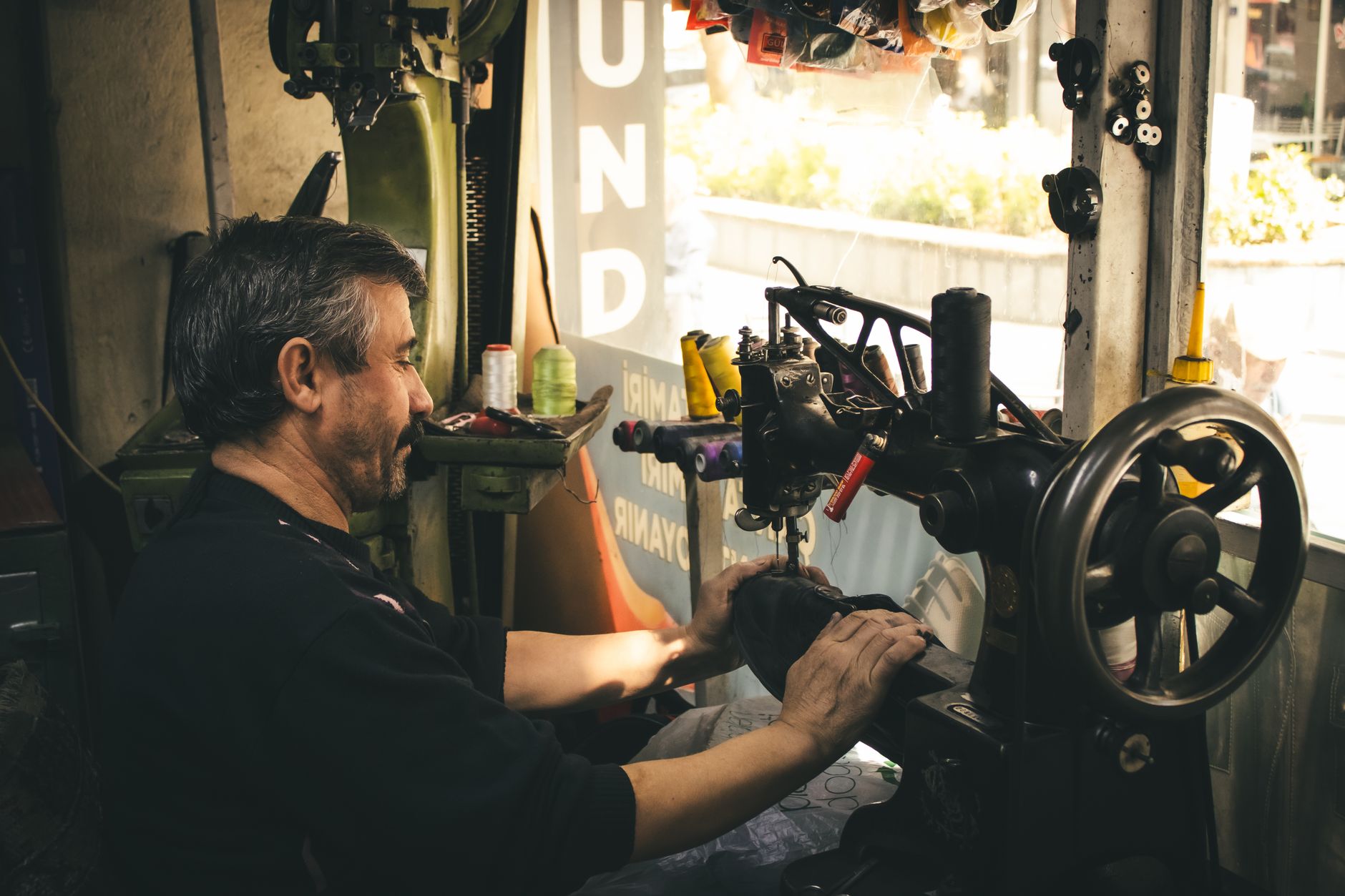
Repair cafés. The Restart Project, which runs events across London, and similar groups in Manchester, Edinburgh, and Sheffield, bring together volunteers with sewing and repair skills to help people fix clothing rather than replace it. These aren’t niche hobbyist gatherings. The Restart Project alone has helped repair thousands of items and is building a model that councils are starting to take seriously as part of waste reduction strategies.
Clothing swaps. Community clothing swaps have grown significantly post-pandemic, partly because people emerged from lockdowns with wardrobes full of unworn things and a renewed appetite for in-person events. Groups like Swap Shop UK and countless local Facebook and Nextdoor-organised events give garments a second life without anything leaving the community at all. If you’re looking for something social to do whilst doing good, Droptix is worth checking for community events in your area, including sustainability-focused swaps and local textile initiatives.
School uniform exchanges. This one genuinely delighted me when I first came across it at scale. Councils and parent groups across the country have set up school uniform exchange schemes, recognising that children outgrow uniforms in months. Havering Borough Council, for example, runs a network of uniform swap stations across its schools. Given that school uniform is among the most frequently discarded clothing category in UK households with children, this is a practical solution with immediate impact.
What all of these have in common is that they work at human scale. They’re not waiting for government policy or corporate sustainability pledges. They’re filling skips with far fewer garments by making reuse feel easy and social rather than effortful and pious.
What the government is actually doing about it
The extended producer responsibility (EPR) scheme for textiles, which would make clothing brands financially responsible for the end-of-life cost of their products, has been in discussion in the UK for some time. As of 2026, the Department for Environment, Food and Rural Affairs (DEFRA) has published consultations on textile EPR but formal legislation is still pending. Critics argue the pace is far too slow given the scale of the problem, and I’d be hard-pressed to disagree.
France introduced its textile EPR scheme years ago, and producers there now fund a nationwide reuse and recycling infrastructure. The UK is catching up, but slowly. In the meantime, the voluntary measures retailers have signed up to under WRAP’s Textiles 2030 initiative are progress, but they’re not legally binding.
What you can actually do right now
I’d be doing a disservice if I ended on pure systemic critique without acknowledging that individual choices do matter in aggregate, even if they’re not sufficient on their own. The most effective things British households can do are also the least glamorous: buy less, wear what you own, repair before replacing, and donate only items you’d genuinely give to a friend.
If you’re looking to rethink your wardrobe relationship more broadly, the wardrobe detox approach that’s been gaining traction is a genuinely useful framework. And if you’re interested in where your ethical alternatives lie once you’re ready to buy something new, the homegrown ethical clothing brands doing real work in 2026 are worth your attention.
The 300,000 tonnes figure is shocking. But the fact that communities across the UK are building alternatives without waiting for permission? That’s the part worth holding onto.
Leave a Reply