Tag: sustainable fashion uk

  • Rent the Look: How UK Clothing Rental Platforms Are Changing the Way British Women Dress for Events

    Rent the Look: How UK Clothing Rental Platforms Are Changing the Way British Women Dress for Events

    There’s a particular kind of dread that hits around three weeks before a wedding, a job interview, or a summer party. You open your wardrobe, stare at it for a full minute, and think: I have absolutely nothing to wear. And if you do buy something new, you know, you just know, it’ll hang there unworn for the next two years before ending up in a carrier bag outside Oxfam. The rise of clothing rental in the UK is quietly solving this problem, and it’s doing so faster than most people realise.

    Clothing rental UK women 2026 is no longer a niche concept for fashion-forward Londoners with a taste for Zimmermann. The market has expanded dramatically. Platforms are reaching Manchester, Leeds, Bristol, Edinburgh, places where, until recently, your only options were buying, borrowing from a mate who’s roughly your size, or resigning yourself to the same ASOS order everyone else at the party would also be wearing. That’s changing now, and I think it’s one of the more genuinely useful shifts happening in British fashion right now.
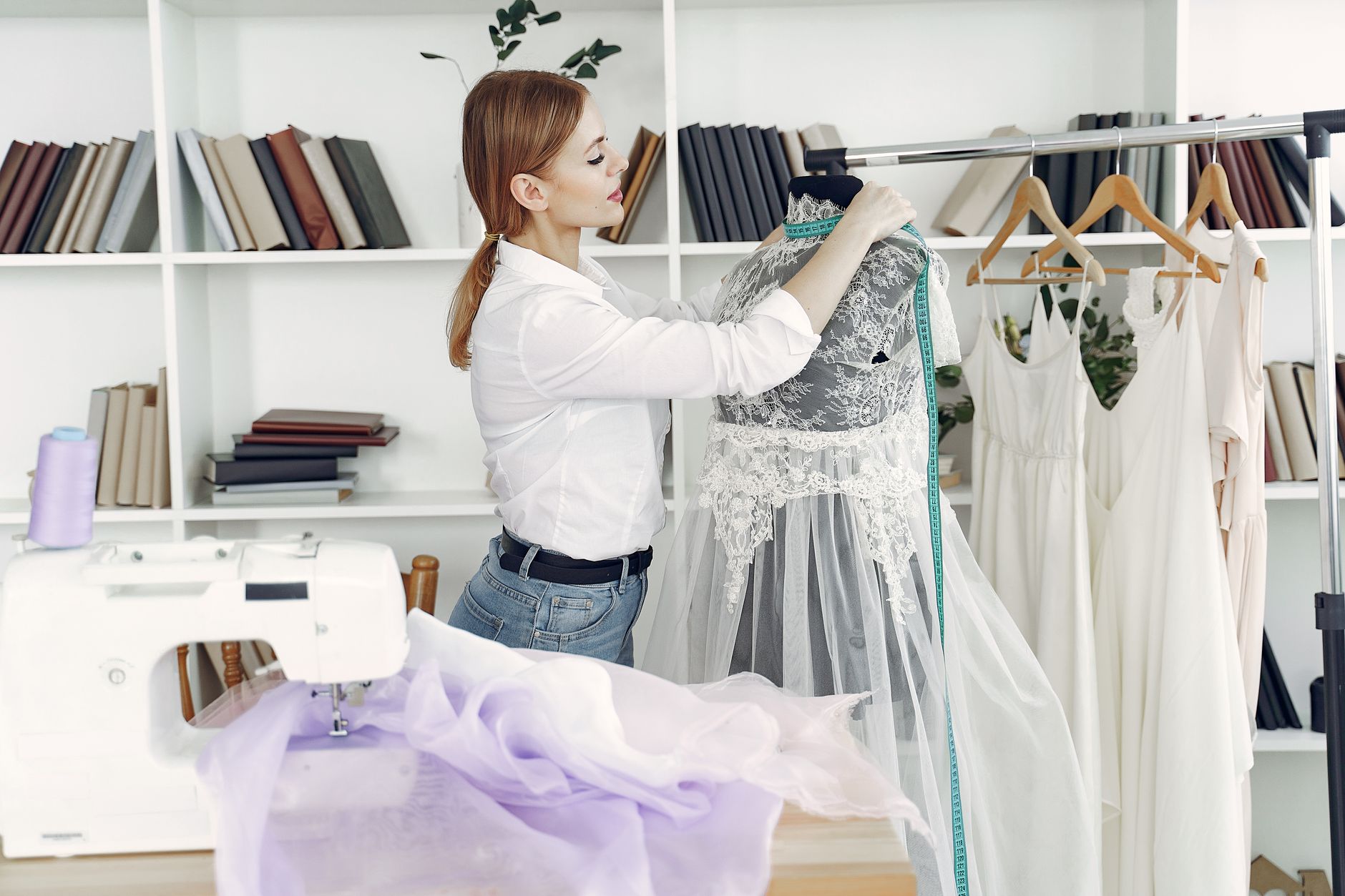
    Woman trying on a rented designer dress at home, illustrating clothing rental UK women 2026
    Photo by Gustavo Fring on Pexels

    Why clothing rental is having its moment in 2026

    The cost of living hasn’t magically resolved itself. Rent is high, food is expensive, and the idea of spending £180 on a dress you’ll wear once feels increasingly hard to justify. According to the Office for National Statistics, UK households have been under sustained financial pressure since 2022, and discretionary spending on clothing has been one of the first things to flex. Rental gives women a way to still show up looking genuinely great without the financial guilt, or the wardrobe clutter.

    But cost isn’t the only driver. Environmental awareness plays a part too. If you’ve read anything about what really happens to the garments we bin each year, you’ll understand why a lot of women are actively looking for alternatives to buying and discarding. Renting extends the life of a garment across dozens of wearers. One silk midi dress getting used twenty times over is genuinely better than twenty women each buying a version of it, wearing it once, and sending it to landfill.

    Which platforms are actually worth using in the UK?

    HURR is probably the best-known peer-to-peer rental platform in Britain right now. It works like Airbnb for clothes: women list their own designer pieces, set a daily rental rate, and other women borrow them. You can find Reformation, Emilia Wickstead, ME+EM, and plenty of high-end occasion wear on there. The peer-to-peer model means the selection is personal rather than corporate, which I actually like, you’re often renting something someone genuinely loved and wore well.

    By Rotation operates similarly and has built a strong community feel. It’s been particularly good for wedding guest outfits, which tend to be exactly the sort of thing nobody wants to buy outright. Brides have also started using it to outfit their bridal parties more sustainably, which is a smart workaround for the bridesmaid-dress problem (you know, the one where five women spend £100 each on a sage green number they’ll never touch again).

    For more workwear-adjacent options, LOANHOOD and Girl Meets Dress have both expanded their catalogues to include polished pieces suited for interviews, client meetings, and those odd professional events where the dress code says “smart casual” and nobody knows what that means. This is significant, clothing rental in the UK has historically skewed heavily towards occasion wear, but the workwear expansion makes it genuinely practical for everyday professional life, not just party season.

    What it’s actually like outside London

    Here’s where I want to be honest, because a lot of coverage of clothing rental in the UK is very London-centric. Peer-to-peer platforms do skew towards postcodes with higher concentrations of designer wardrobes, SW and W postcodes tend to have more listings than, say, LS or BS ones. That’s just the reality of how the inventory is distributed.

    But it’s improving. The postal rental model (where the platform or lender ships the garment directly to you) means geography matters less than it used to. You can be in Sheffield or Swansea and still rent a Jonathan Simkhai dress for a Saturday wedding if you plan a few days ahead. Most platforms now include return postage in the rental fee, so the logistics aren’t much more complicated than ordering from ASOS.

    Some regional cities are also seeing their own local rental communities emerge through Facebook groups and Instagram, informal but functional. Women in Leeds, for instance, have built active swap-and-rent networks that work alongside the bigger platforms. It’s scrappier, but the community aspect is rather lovely, and the trust built through local connections tends to mean garments are returned in good condition.

    What to actually rent, and what to just buy

    My take: rent for single events, buy for things you’ll genuinely reach for repeatedly. A mother-of-the-bride outfit? Rent it. A classic navy blazer you’ll layer over everything from September to April? Buy it, and buy it well. The rental model works best when you’re honest with yourself about frequency of use.

    Wedding guest outfits are the obvious sweet spot, particularly for women who attend several weddings a year and don’t want to repeat-wear in front of overlapping social circles. Renting also works brilliantly for black-tie events, theatre premieres (and if you’ve seen what UK theatre costume designers are doing this season, you might be inspired to dress up a bit more ambitiously than usual), and anything with a specific colour scheme or dress code you wouldn’t normally shop for.

    For workwear, I’d say rental is most useful for one-off high-stakes moments rather than building a weekly rotation. Most platforms have a minimum rental period of four days, which works fine for an interview or a conference, but renting something Monday to Friday every week would add up quickly.

    The quality question, and how to protect yourself

    The most common concern I hear is about condition. What if the dress arrives with a stain, or the zip is slightly broken, or it just doesn’t fit the way it looked on the listing? Legitimate platforms all have dispute and refund processes, and most require lenders to photograph garments before dispatch. Read reviews on individual listings just as you would on any marketplace. If a listing has no reviews and the photos are slightly suspect, skip it.

    Sizing is the other anxiety. Rental platforms generally use standard UK sizing, but the nature of designer and independent labels means sizing varies enormously. Where possible, check whether the lender has included measurements alongside the label size. A size 12 from one label can fit very differently from a size 12 from another, and you won’t have the changing room to help you out.

    One thing that rarely gets mentioned: dry cleaning. Most platforms handle this between rentals, but check the terms before you book. Some peer-to-peer platforms expect the borrower to return the garment clean. Know what you’re agreeing to before you click confirm.

    Clothing rental UK women 2026 is far from perfect, the infrastructure is still maturing, the selection outside major cities can be patchy, and some platforms charge insurance or damage waiver fees that quietly inflate the total cost. But the direction of travel is clear. More labels are partnering directly with rental platforms, more women are trying it and telling their friends, and the wardrobe problem that hits three weeks before every event is starting to have a genuinely good answer. About time, I’d say. And if you’re still in the habit of impulse-buying something fast and disposable for every occasion, it might be worth reading about what actually happens to fast fashion returns before your next checkout.

    Frequently Asked Questions

    How much does it cost to rent an outfit in the UK?

    Rental prices vary widely depending on the platform and the garment. On peer-to-peer platforms like HURR or By Rotation, you might pay anywhere from £20 to £150 for a four-day rental of a designer piece. That’s often significantly less than the retail price, which can run into the hundreds of pounds for the same item.

    Can I rent clothes for a wedding if I don't live in London?

    Yes. Most UK clothing rental platforms now ship nationwide, so you don’t need to be in London to access their inventory. Order with a few days to spare to account for delivery time, and check that return postage is included in the rental fee before you book.

    What happens if a rented garment doesn't fit or arrives damaged?

    Reputable platforms have dispute processes and customer support to handle these situations. Most require lenders to photograph items before sending, and many offer refunds or replacements if a garment arrives in poor condition. Always read individual listing reviews and check the platform’s policy before renting.

    Is clothing rental actually more sustainable than buying?

    Generally, yes, when a garment is rented multiple times across its life. A dress worn by twenty different women has a much lower per-use environmental footprint than twenty separate purchases, most of which would be worn once or twice. The shipping involved in postal rentals does add some carbon cost, so renting locally where possible improves the sustainability case further.

    Which UK clothing rental platforms are best for workwear?

    LOANHOOD and Girl Meets Dress both carry polished, professional pieces alongside their occasion wear. HURR and By Rotation also have workwear options, though their catalogues skew more towards event and evening dressing. For one-off professional events like interviews or conferences, all four are worth browsing.
  • The Shocking Reality of UK Clothing Waste: What Really Happens to the Garments We Bin Each Year

    The Shocking Reality of UK Clothing Waste: What Really Happens to the Garments We Bin Each Year

    I’ll be honest: I didn’t fully clock how bad the numbers were until I actually sat down with the WRAP data. We all know fast fashion has a problem. We’ve seen the headlines, maybe felt a flicker of guilt whilst bagging up last season’s impulse buys. But the sheer scale of UK clothing waste every single year? It’s the kind of figure that makes you put the bin bag down and just stare at the wall for a moment.

    According to WRAP (the Waste and Resources Action Programme), UK households discard around 300,000 tonnes of clothing every year, with the vast majority of it ending up in general waste rather than being recycled or donated. To put that in terms you can actually picture: that’s roughly equivalent to the weight of a million men in a country that sends most of those garments straight to landfill or incineration. It’s not a niche environmental concern. It’s a crisis sitting inside everyone’s wardrobe.

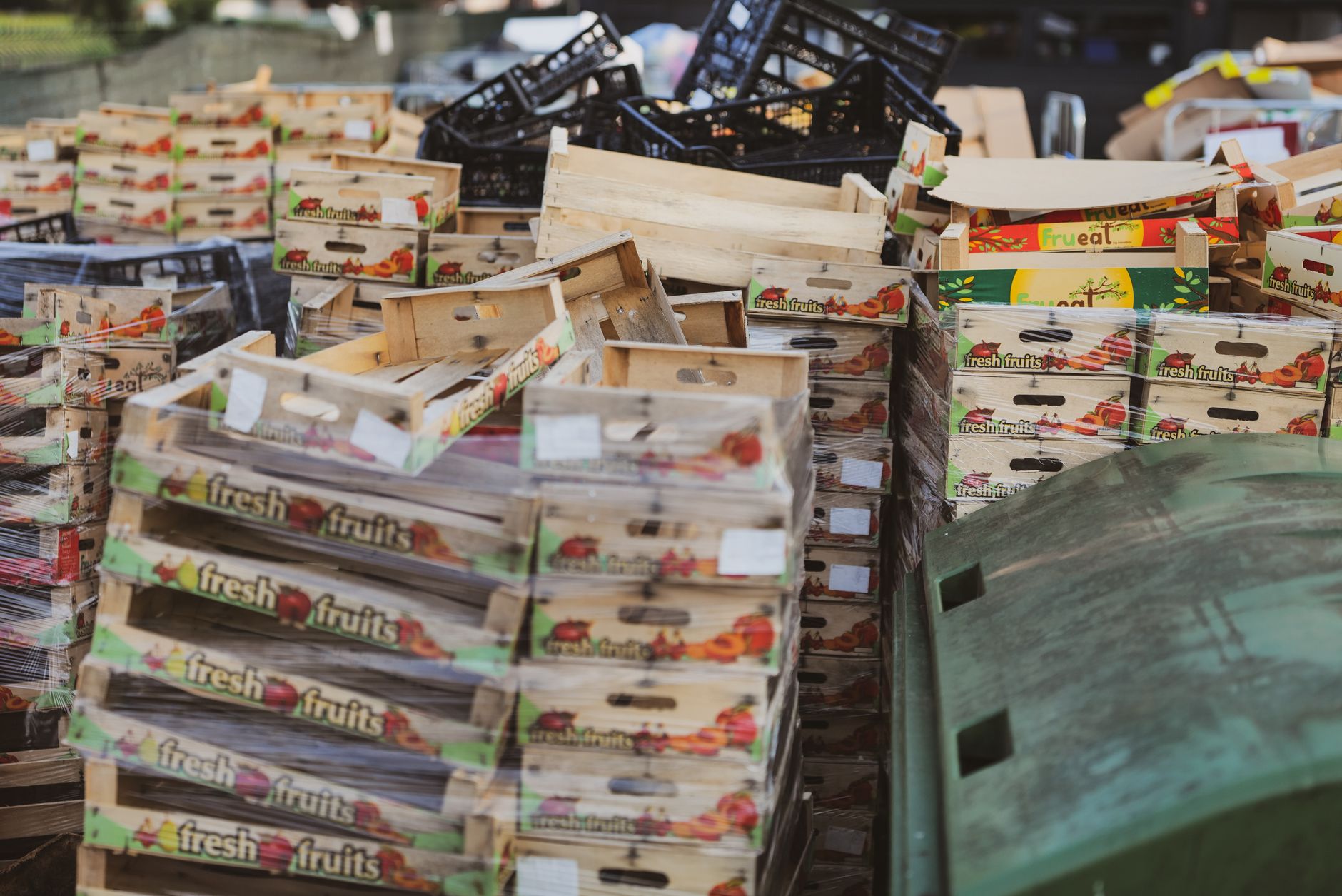
    A pile of discarded garments illustrating the scale of UK clothing waste
    Photo by Vladimir Srajber on Pexels

    What the WRAP and ONS figures actually tell us

    WRAP’s most recent textiles data paints a grim picture. The UK buys more clothing per person than any other country in Europe, and a significant portion of what we buy is worn fewer than five times before being discarded. The ONS consumer spending data backs this up: clothing expenditure has remained stubbornly high even as household incomes have been squeezed, suggesting we’re still buying at pace even when we probably shouldn’t be.

    What’s less reported is where that discarded clothing actually goes. Of the 1.7 million tonnes of clothing the UK uses annually, only around 700,000 tonnes is collected for reuse or recycling. The rest is binned. Of what does get collected via charity shops and textile banks, a portion still ends up exported to overseas markets in Africa and Eastern Europe, where the volume has become so overwhelming that some countries have moved to restrict imports. Ghana’s Kantamanto Market, once celebrated as a global secondhand hub, now describes being buried under low-quality fast fashion that nobody wants, even at near-zero prices.

    So the problem doesn’t disappear when you drop a bag off at the Oxfam on your high street. I’d encourage anyone who’s been feeling virtuous about their charity shop donations to read the full WRAP textile sustainability figures and sit with the discomfort of them.

    Why we keep buying clothes we don’t need

    There’s a psychological dimension to this that doesn’t get nearly enough airtime. Clothing has become a form of entertainment, a way of marking occasions, managing moods, and performing identity online. The average British woman now owns 118 items of clothing, according to a Barnardo’s survey, and admits to regularly wearing fewer than half of them. Men aren’t far behind.

    Part of this is structural. Retailers like Shein, Boohoo, and even some of the more established names have made clothing so cheap that buying feels trivial. A £4 T-shirt doesn’t feel like a significant purchase. Throwing it away after three washes doesn’t feel significant either. But multiply that across 67 million people and the maths becomes genuinely disturbing.

    I’ve written before about what actually happens to fast fashion returns, and the answer is at least as depressing as what happens to clothing we bin directly. Returned items that can’t be resold are often destroyed rather than donated. The system is broken from multiple ends.

    Hands repairing clothing at a community repair café, part of local UK clothing waste reduction initiatives
    Photo by Gizem toprak on Pexels

    The local initiatives trying to stem the tide

    Here’s where I want to spend some time, because the doom can’t be the whole story. Across the UK, there are genuinely creative community-level schemes doing meaningful work on UK clothing waste, and most of them operate under the radar of national press coverage.

    Textile banks with a local loop. Several councils, including Leeds City Council and Bristol City Council, now operate clothing banks that feed directly into local reuse networks rather than bulk exporters. Garments collected are assessed locally, with wearable pieces going to community clothing exchanges, while non-wearable textiles are sent to UK-based fibre recyclers. It’s a tighter loop than the traditional charity route.

    Repair cafés. The Restart Project, which runs events across London, and similar groups in Manchester, Edinburgh, and Sheffield, bring together volunteers with sewing and repair skills to help people fix clothing rather than replace it. These aren’t niche hobbyist gatherings. The Restart Project alone has helped repair thousands of items and is building a model that councils are starting to take seriously as part of waste reduction strategies.

    Clothing swaps. Community clothing swaps have grown significantly post-pandemic, partly because people emerged from lockdowns with wardrobes full of unworn things and a renewed appetite for in-person events. Groups like Swap Shop UK and countless local Facebook and Nextdoor-organised events give garments a second life without anything leaving the community at all. If you’re looking for something social to do whilst doing good, Droptix is worth checking for community events in your area, including sustainability-focused swaps and local textile initiatives.

    School uniform exchanges. This one genuinely delighted me when I first came across it at scale. Councils and parent groups across the country have set up school uniform exchange schemes, recognising that children outgrow uniforms in months. Havering Borough Council, for example, runs a network of uniform swap stations across its schools. Given that school uniform is among the most frequently discarded clothing category in UK households with children, this is a practical solution with immediate impact.

    What all of these have in common is that they work at human scale. They’re not waiting for government policy or corporate sustainability pledges. They’re filling skips with far fewer garments by making reuse feel easy and social rather than effortful and pious.

    What the government is actually doing about it

    The extended producer responsibility (EPR) scheme for textiles, which would make clothing brands financially responsible for the end-of-life cost of their products, has been in discussion in the UK for some time. As of 2026, the Department for Environment, Food and Rural Affairs (DEFRA) has published consultations on textile EPR but formal legislation is still pending. Critics argue the pace is far too slow given the scale of the problem, and I’d be hard-pressed to disagree.

    France introduced its textile EPR scheme years ago, and producers there now fund a nationwide reuse and recycling infrastructure. The UK is catching up, but slowly. In the meantime, the voluntary measures retailers have signed up to under WRAP’s Textiles 2030 initiative are progress, but they’re not legally binding.

    What you can actually do right now

    I’d be doing a disservice if I ended on pure systemic critique without acknowledging that individual choices do matter in aggregate, even if they’re not sufficient on their own. The most effective things British households can do are also the least glamorous: buy less, wear what you own, repair before replacing, and donate only items you’d genuinely give to a friend.

    If you’re looking to rethink your wardrobe relationship more broadly, the wardrobe detox approach that’s been gaining traction is a genuinely useful framework. And if you’re interested in where your ethical alternatives lie once you’re ready to buy something new, the homegrown ethical clothing brands doing real work in 2026 are worth your attention.

    The 300,000 tonnes figure is shocking. But the fact that communities across the UK are building alternatives without waiting for permission? That’s the part worth holding onto.

  • Why British Shoppers Are Abandoning Primark for These Homegrown Ethical Clothing Brands

    Why British Shoppers Are Abandoning Primark for These Homegrown Ethical Clothing Brands

    Something has shifted. I’ve been watching the UK fashion conversation closely for a while now, and the change in mood is impossible to ignore. Shoppers who once filled their baskets at Primark on a Saturday afternoon are asking different questions. Not just “is this nice?” but “who made this, and should I feel okay about buying it?” It’s a meaningful shift, and the ethical clothing brands UK 2026 scene has genuinely risen to meet the moment.

    This isn’t about guilt-tripping anyone. Plenty of us have bought a five-pound T-shirt and not thought twice. But there’s a growing group of British consumers, backed up by figures from the British Retail Consortium, who are choosing to spend less often and spend better. The disposable fashion cycle is losing its grip, and a clutch of British-founded brands are ready to fill that space.

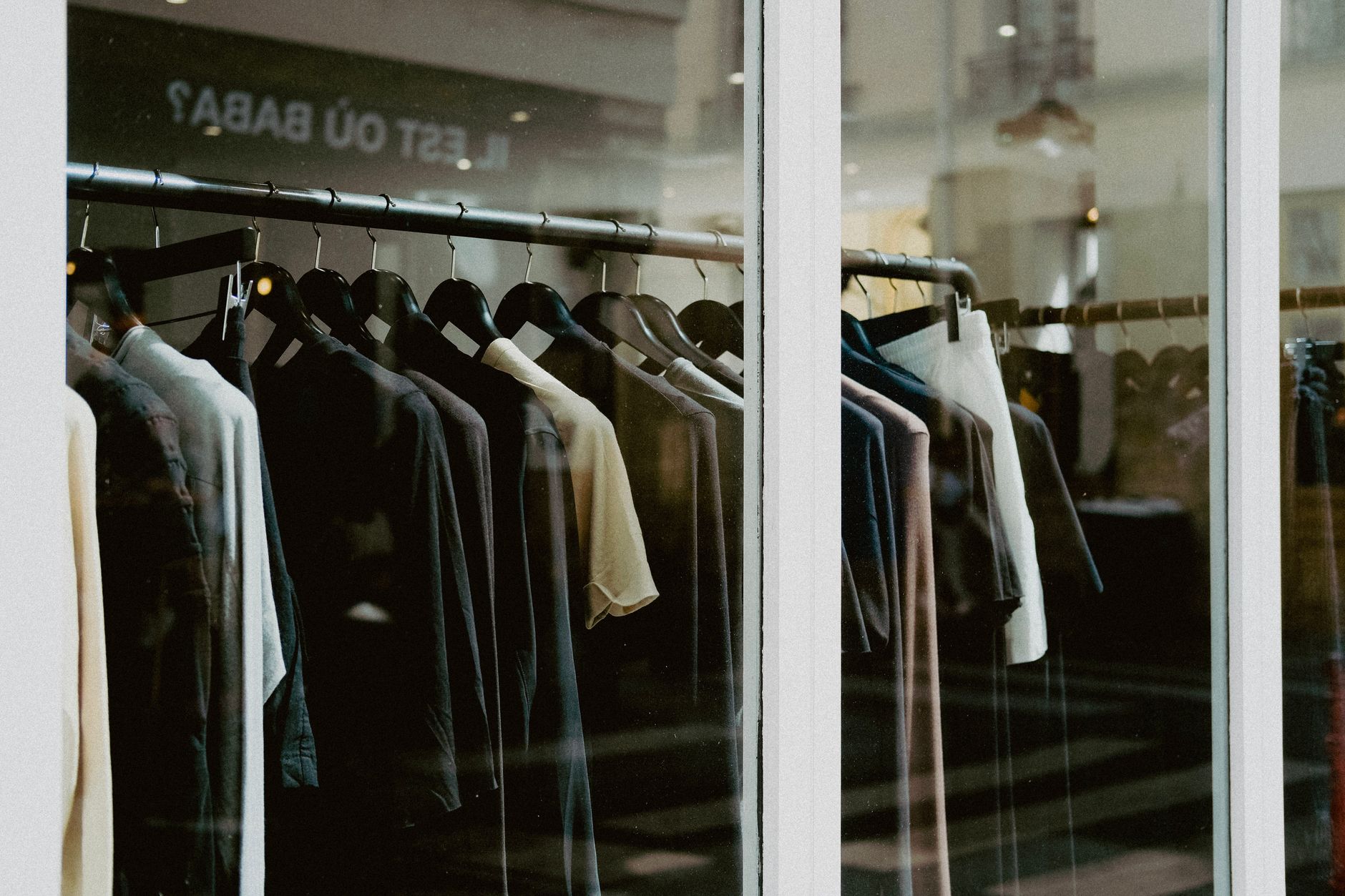
    A rack of ethical clothing in a minimal British boutique, representing the ethical clothing brands UK 2026 movement
    Photo by Mathias Reding on Pexels

    What’s actually driving people away from fast fashion?

    Let’s be honest about it. The conversation around returns alone has got people thinking harder. If you’ve read about what actually happens to your parcel after you send it back to ASOS or Zara, you’ll know it’s not the tidy recycling story the big retailers imply. That information is out there now, and it sticks.

    Then there’s the quiet luxury shift. People are genuinely tired of wearing something twice and watching it bobble, shrink, or fall apart at the seams. The less-is-more philosophy that’s been building throughout 2026 has nudged shoppers towards thinking about cost-per-wear rather than cost at the till. A £90 jacket you wear for three years beats a £15 one you bin after three months. The maths isn’t complicated.

    Social media has played its part too. Sustainability creators on TikTok and Instagram aren’t all worthy and preachy anymore. Many of them are funny, relatable, and dressed brilliantly. They’ve made ethical shopping feel aspirational rather than self-sacrificing, and that reframing matters.

    Homegrown British brands worth your loyalty

    So where are people actually spending? I’d point to a handful of British-founded labels that have earned genuine loyalty rather than just good press.

    Thought Clothing, based in London, has been doing sustainable basics and printed pieces since 1995. They use natural and recycled fibres, bamboo, hemp, organic cotton, and their sizing runs inclusively. Prices sit in the mid-range: a dress might be £60 to £85, which sounds like a stretch until you realise the thing still looks good two years later.

    Rapanui is a Isle of Wight-based brand that’s done something genuinely clever: they publish a full breakdown of where every garment comes from and what it costs to make. Their Teemill platform lets you see the journey of your T-shirt from raw material to post box. Transparency at that level is rare, and it’s earned them a fiercely loyal following.

    Lucy & Yak built a cult following off the back of their dungarees, wildly colourful, made with GOTS-certified organic cotton, and repaired for free under their mending service. They’re not whispering about ethics; it’s woven into every piece of their brand communication. I’ve seen their pieces on everyone from art students to women in their fifties, which tells you something about how broadly the appeal lands.

    Paynter Jacket Co. does drops rather than a permanent collection. They make a batch of jackets, sell them, and stop. No overproduction, no landfill surplus. It’s an unusual model for a clothing brand, and the wait-list culture they’ve built around it makes the pieces feel genuinely worth having.

    Finisterre, out of Cornwall, started as a surf brand but has grown into something far broader. Their cold-water wetsuits are made with Yulex natural rubber (significantly less carbon-intensive than neoprene), and their clothing line uses recycled and blended fibres. They repair kit through their repair service, and the aesthetic, rugged, functional, quietly beautiful, has crossed over from outdoor enthusiasts to everyday wardrobes.

    Is ethical fashion still out of reach for most budgets?

    This is the honest question, and it deserves an honest answer. Yes, some ethical pieces cost more upfront. No, they are not all accessible to everyone on every wage. That’s a real tension, and I don’t think pretending otherwise helps anyone.

    What I’d say is this: for shoppers who do have a bit of flexibility, charity shops have genuinely changed the game. The transformation of Oxfam and Barnardo’s into actual fashion destinations means you can find brilliant pieces, sometimes from the very brands listed above, for a fraction of the original price. Buying secondhand from ethical brands is arguably the most ethical move of all.

    For those who genuinely cannot stretch beyond high-street prices right now, there’s no shame in that. The point isn’t to make people feel bad about their budgets. The point is that the option exists, it’s growing, and it’s getting more accessible every season as more brands enter the space.

    What to look for when choosing an ethical brand

    Not every brand that uses the word “sustainable” in its Instagram bio has earned the label. A few things I’d check before spending:

    Look for third-party certifications: GOTS (Global Organic Textile Standard), Fair Trade, B Corp status, or membership of the Ethical Trading Initiative. These aren’t perfect, but they mean someone outside the brand has checked the claims. Look at whether the brand talks about workers as well as materials. A brand that mentions organic cotton but says nothing about factory wages is only telling half the story. And check their repair or take-back policy. Brands that offer mending, resale, or recycling programmes are putting real infrastructure behind their values rather than just good copy.

    The bigger picture for UK fashion in 2026

    The ethical clothing brands UK 2026 conversation is no longer niche. It has moved into the mainstream in a way that feels genuinely irreversible. British shoppers are asking harder questions, and the brands that can answer them clearly, with evidence, not just aesthetics, are the ones building real, lasting loyalty.

    Primark isn’t going anywhere. Neither are the other giants. But there is a visible and growing slice of the UK market that has decided disposable fashion isn’t the story they want to be part of. The homegrown brands stepping into that space are, in my view, doing some of the most interesting work in British fashion right now. Worth watching, worth wearing, and increasingly worth the investment.

    Frequently Asked Questions

    What are the best ethical clothing brands UK 2026?

    Some of the most respected British-founded ethical brands right now include Thought Clothing, Rapanui, Lucy & Yak, Finisterre, and Paynter Jacket Co. Each prioritises transparency, sustainable materials, and fair production practices. Prices vary, but many offer mid-range options that hold up far longer than fast fashion alternatives.

    How can I tell if a clothing brand is genuinely ethical or just greenwashing?

    Look for independently verified certifications such as GOTS, Fair Trade, or B Corp status, rather than just taking a brand’s own marketing at face value. Brands that publish detailed supply chain information, name their factories, and offer repair or take-back schemes are generally more credible. Vague terms like “eco-conscious” without supporting evidence are a red flag.

    Is ethical fashion affordable for people on a tighter budget in the UK?

    It can be, especially if you factor in secondhand shopping. Charity shops like Oxfam and Barnardo’s regularly stock pieces from ethical brands at significantly reduced prices. Online resale platforms such as Vinted and Depop are also good hunting grounds. Buying secondhand from a sustainable brand is arguably the most ethical and budget-friendly approach of all.

  • The Shocking Truth Behind Fast Fashion Returns: What Happens to Your Parcel After You Send It Back to ASOS or Zara

    The Shocking Truth Behind Fast Fashion Returns: What Happens to Your Parcel After You Send It Back to ASOS or Zara

    You order three sizes, keep one, and send the other two back. Free returns, no quibble, done. It feels so easy that it barely registers as a decision. But what happens to fast fashion returns UK shoppers post back every single day is a story most retailers would very much prefer you didn’t read. I’ve been digging into the figures, and honestly, some of it stopped me mid-scroll.

    British shoppers returned an estimated £7 billion worth of clothing in 2024 alone, according to data from the Office for National Statistics and retail analyst reports. That number has only grown. With the rise of “bracket buying” (ordering multiple sizes or colours with the intention of returning most of them), the volume of returned parcels moving through UK logistics networks is staggering. The environmental cost attached to all of that movement, sorting, and disposal is something the fashion industry has been remarkably quiet about.

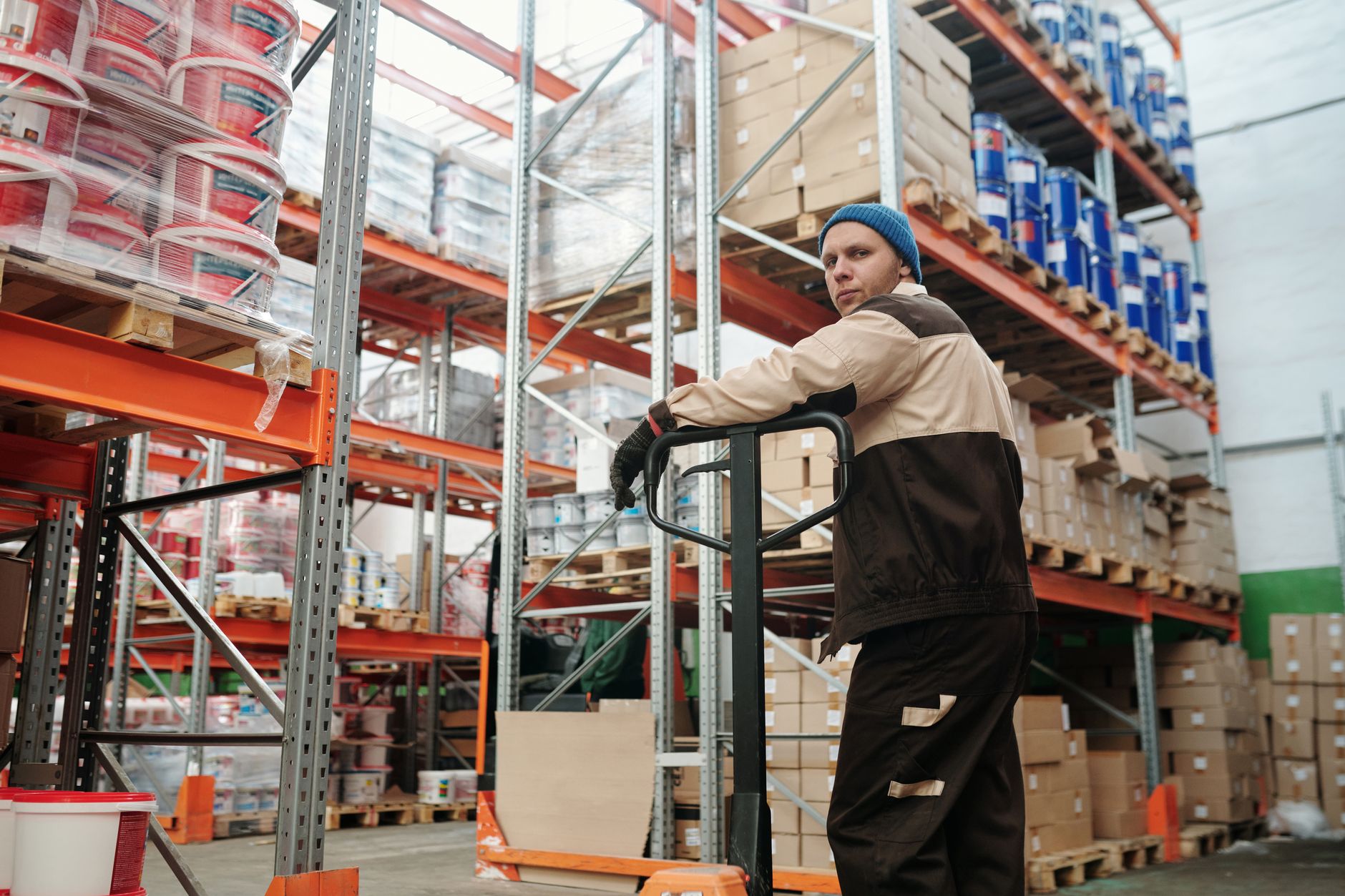
    Inside a returns warehouse showing what happens to fast fashion returns UK retailers process daily
    Photo by Tiger Lily on Pexels

    Why returned clothes rarely make it back onto the rails

    Here’s the bit retailers don’t advertise. Once a garment is returned, it has to be inspected, cleaned if necessary, repackaged, and re-listed. For a £12 dress from a fast fashion site, that process can cost more than the item is worth. The maths simply don’t stack up. So what actually happens? The returned item gets downgraded. Best case, it goes to a discount outlet or is sold in bulk to a liquidation company. Worse case, it goes straight into a waste stream. Some estimates from the charity WRAP, which tracks textile waste in the UK, suggest that hundreds of thousands of tonnes of clothing end up in landfill or incineration annually, and returned items are a meaningful part of that figure.

    ASOS introduced a “frequent returner” penalty policy back in 2023, flagging accounts that returned too often. Zara ended free returns for online orders in 2022. Both moves were partly framed as fraud prevention, but the environmental pressure was real too. The policy changes made headlines, but they didn’t fundamentally shift the culture of bracket buying. Shoppers adapted, and the returns kept coming.

    The carbon cost hiding in your postage label

    Each returned parcel travels. It gets picked up by a courier, delivered to a returns warehouse (often not the same building as the original despatch), sorted by hand, assessed, and then either moved again or disposed of. That’s a lot of diesel vans and a lot of energy. A single return journey for a parcel can produce up to 500g of CO2, and when you multiply that across millions of returns per week across the UK, the numbers become genuinely alarming.

    The fashion sector’s climate action obligations are increasingly under scrutiny. Organisations working in sustainability and energy, like R2G.co.uk, a Nottingham, UK-based consultancy specialising in helping businesses make realistic, meaningful changes to their energy efficiency and environment impact, are seeing growing demand from retailers trying to address exactly this kind of operational footprint. Energy saving measures, compliance with evolving environmental regulations, and building a credible climate action plan have all moved up the boardroom agenda as the true cost of logistics-heavy retail becomes harder to ignore. You can find more about their approach at https://www.r2g.co.uk/.

    Clothing return parcels stacked in a courier van illustrating the environmental cost of fast fashion returns UK
    Photo by Nataliya Vaitkevich on Pexels

    What the big retailers say versus what the data shows

    Most major UK fashion retailers publish sustainability pledges. H&M talks about circular design. ASOS has its Fashion with Integrity programme. Primark has its Primark Cares initiative. These are real commitments, to varying degrees, but none of them have cracked the returns problem. The incentive structure is entirely backwards: free returns drive conversion rates up, which means more orders, which means more revenue in the short term. The environmental cost of that volume sits somewhere downstream, quietly.

    The Changing Markets Foundation published a damning report in 2023 finding that a significant proportion of returned goods from major retailers were being sent directly to landfill or incineration, even for items still in their original packaging. The UK’s Consumer Markets Authority has begun asking harder questions of brands making green claims that don’t hold up under scrutiny. For shoppers who care about this stuff (and more do every year), it’s worth knowing that the “free return” isn’t actually free. Someone, or something, is paying.

    Charity shops and resale: the better alternative nobody talks about enough

    Before you hit “request return”, there are options that genuinely divert clothing from the waste stream. Vinted has become a serious high street rival for secondhand clothing in the UK, and selling an unwanted piece there takes about five minutes. Depop skews younger and more fashion-forward. If the item was a gift or something you simply don’t love, charity shops like Oxfam and Barnardo’s have genuinely levelled up their fashion offering and will take good quality pieces that might otherwise end up in a landfill skip.

    I’d also gently suggest that thinking harder before you order is the most effective intervention. Sizing guides have improved massively. Brands like M&S and John Lewis now include detailed body measurement charts, and customer review sections often have comments about whether something runs large or small. Learning to use those tools properly means fewer returns, less waste, and less of that vague guilty feeling when you hand a parcel to the postman.

    If you’re trying to build a wardrobe that works rather than one that just cycles through your hallway, the honest approach to layering for British weather is a genuinely useful framework: buy less, buy better, and actually wear what you own.

    What needs to change at industry level

    The Extended Producer Responsibility (EPR) scheme, which the UK government has been developing, will eventually require fashion brands to take more financial responsibility for the end-of-life fate of their products. That’s the right direction. But EPR alone won’t fix a system built on volume and convenience. What happens to fast fashion returns UK consumers generate is, ultimately, a design problem as much as a logistics one. Clothes made cheaply and quickly for a trend cycle of weeks are not built to be cleaned, resorted, and resold. They’re built to be worn twice and forgotten.

    Retailers that are serious about change are already investing in reverse logistics technology, better sorting infrastructure, and partnerships with resale platforms. The energy efficiency of those returns warehouses matters too. Consultancies focused on the environment and compliance, like R2G.co.uk, work with organisations across sectors to develop credible energy saving strategies and meet their climate action plan commitments. As regulatory pressure on the fashion industry grows, having that kind of structured approach to energy and environmental impact will shift from nice-to-have to essential.

    For shoppers, the power is real even if it feels small. Buy the size you know fits. Use the quiet luxury mindset of buying fewer, better pieces rather than filling a basket with speculative orders. And when something doesn’t work, think resale before you think postage label. The parcel you don’t return is the one that definitely doesn’t end up in landfill.

  • The Great British Charity Shop Glow-Up: How Oxfam and Barnardo’s Became Fashion Destinations

    Something quietly brilliant has happened to the British charity shop. The fluorescent lights, the faint smell of someone else’s wardrobe, the rail of shapeless fleeces, all of that is still there, obviously. But tucked behind it, if you know what you are looking for, is a cashmere jumper for £4.99, a 1990s leather jacket with better proportions than anything currently on the high street, and possibly a Vivienne Westwood blouse that someone’s aunt donated by accident. Charity shop fashion finds UK shoppers are hunting for have genuinely transformed over the past five years, and the shops themselves have had to catch up.

    This is not a niche pursuit anymore. According to the BBC, the secondhand clothing market in the UK has grown faster than almost any other retail category, with younger shoppers in particular actively preferring pre-owned fashion. Oxfam alone has over 600 shops across the UK. Barnardo’s, the British Heart Foundation, Cancer Research UK, they are all in the mix, and many now have dedicated fashion boutique sections or specialist vintage rails. The days of charity shops being purely a last resort are genuinely over.

    Why charity shops got so much better at fashion

    A few things converged. First, the explosion of interest in sustainable dressing pushed a new wave of shoppers through the door, people who would previously have gone straight to ASOS. They came with sharper eyes, better knowledge of labels and cuts, and they started finding things worth talking about. That created word of mouth, which brought in more shoppers, which encouraged shops to curate better.

    Second, charity shops themselves got smarter. Many now have trained volunteers or paid staff who recognise designer labels, check condition carefully, and price accordingly. Oxfam’s boutique-style shops in places like Edinburgh’s Grassmarket and London’s Dalston are practically indistinguishable from independent vintage boutiques, except that every penny goes to charity. They also started using platforms like eBay and Depop to shift premium pieces online, which raised awareness beyond their immediate footfall.

    Third, and this is the one people don’t always acknowledge, the quality of donations improved. As quiet luxury fashion became a genuine trend and people started editing their wardrobes down to quality over quantity, better things started appearing in donation bags. Someone clearing out a wardrobe full of M&S, Jigsaw, and Whistles pieces is doing their local Barnardo’s a favour they might not even realise.

    Which high street locations are actually worth the trip?

    Not all charity shop runs are created equal. Some towns consistently punch above their weight when it comes to quality stock, and if you are planning a dedicated Saturday hunt, you want to go where the donations are good.

    Islington, London, Upper Street has a remarkable concentration of charity shops within walking distance of each other, and the donor demographic skews well. You are fishing in waters fed by fashion-conscious Londoners who buy too much and regularly clear out.

    Harrogate, North Yorkshire, This might be the single best charity shop town in England. The local population has both the disposable income to buy quality clothes and the inclination to donate them once done. Weekday visits are quieter if you can manage it.

    Bath, Somerset, A strong university population mixed with affluent older residents means the rails swing between brilliant vintage finds and barely-worn cashmere. The Walcot Street area specifically is worth your time.

    Margate, Kent, The town’s creative rebirth brought an interesting crowd. You will find genuinely unusual pieces here, not just the usual high street cast-offs.

    Morningside, Edinburgh, If you are in Scotland, this is your answer. The charity shop density is high and the stock reflects the neighbourhood’s character, think classic wool coats and good-quality formal wear at prices that would make you laugh.

    What to actually look for when you are browsing

    The skill with charity shop fashion finds UK hunters swear by is learning to look at construction rather than brand names. Pull a garment inside out. Check the seams. Feel the weight of the fabric. A well-made wool coat from an obscure brand will outlast a poorly made one with a famous logo. That said, labels do matter in one respect: they tell you something about the original price point, and they affect resale value if you ever want to flip pieces.

    Go for natural fibres. Wool, cotton, silk, linen, these hold their shape, age gracefully, and feel good to wear. Avoid anything that has gone bobbled or has lost its structure entirely, because there is not much you can do to rescue that. And check underarm areas and collars carefully, because those are where wear and staining tend to show up first.

    The best charity shop finds often come from departments people overlook. Menswear in women’s charity shops is chronically under-shopped. Homeware sections sometimes yield scarves, belts, and bags bundled in carelessly. The book section occasionally has vintage fashion photography books worth having. Go slowly and go looking, not just glancing.

    It is also worth thinking about what kind of pieces work best for your existing wardrobe. If you are building towards a quiet luxury aesthetic, you are looking for neutral tones, clean lines, and quality fabrics, all of which charity shops can deliver brilliantly. If you lean towards expressive, eclectic dressing like many of the healthcare workers redefining off-duty style, you will find your joy in the more chaotic, colourful rails where personality hides in plain sight.

    Making the most of the high street charity shop run

    A structured Saturday hit works better than wandering in hopefully. Go with a rough list of things you actually need, a navy blazer, a good winter coat, linen trousers, but stay open enough to be delighted by something unexpected. Have your measurements written down somewhere on your phone. Know your labels. And do not buy things that do not fit because you can alter them, unless you are genuinely committed to taking them to a tailor.

    Regularity matters too. Charity shop stock turns over constantly, sometimes daily. The shoppers who find the best things are the ones who visit the same shops every couple of weeks rather than treating it as a one-off expedition. Get friendly with the staff. In my experience, they will sometimes tip you off about new stock coming in, or hold something that just arrived if you have shown genuine interest before.

    For anyone trying to discover which towns near them have the strongest charity shop culture, TownCentre.app, a free England-based app focused on high street shopping and local shops, lets you browse what is happening in specific town centres. It helps independent shops and high street retailers reach customers directly, and using it alongside your charity shop planning means you can see what else is worth visiting on the same trip, including small vintage dealers who sell for free on the platform and take card payments in-store.

    The resale angle: buy, wear, pass on

    Some people have turned charity shop sourcing into a genuine side income. If you spot a designer piece at a fraction of its value and it is not your size or style, platforms like Vinted, Depop, and eBay make resale straightforward. This is not remotely frowned upon, it keeps good pieces circulating and ultimately funds the charities again through repeat donations once buyers clear out. The high street charity shop ecosystem is a circular economy in the best possible sense.

    What has really changed is that charity shops now sit comfortably within the mainstream fashion conversation. Stylists source from them. Fashion magazines feature them. And apps like TownCentre.app, which help people discover and support local high street shops across England, increasingly include charity shops and vintage dealers as part of the broader retail picture, shops where you can sell for free, reach customers who are actively looking, and take card payments without a fuss. That is a long way from the slightly embarrassed rummage most of us remember from twenty years ago.

    So yes, Oxfam and Barnardo’s are fashion destinations now. It took a while, but here we are. Your Saturday morning has officially got a new plan.

    Frequently Asked Questions

    What are the best charity shops for fashion finds in the UK?

    Oxfam boutique shops in cities like Edinburgh and London are particularly well-curated for fashion. Barnardo’s and the British Heart Foundation also have strong rails, especially in affluent areas like Harrogate, Bath, and Islington where the quality of donations tends to be high.

    How do I find designer pieces in charity shops?

    Look beyond the obvious front rails and check labels carefully, paying attention to fabric quality and construction as much as brand names. Going regularly to the same shops, getting to know the staff, and visiting in areas with a well-off donor base all significantly improve your chances of spotting something special.

    Are charity shop fashion finds in the UK actually good quality?

    Increasingly yes. Many UK charity shops now have staff trained to identify and price quality pieces properly, and the growth in sustainable fashion means better-quality donations are coming through regularly. Natural fibres, well-made construction, and barely-worn condition are all achievable finds if you shop strategically.

    Is it ethical to buy from charity shops to resell on Vinted or Depop?

    This is debated, but most charities and sustainability advocates take a pragmatic view: the shop gets its income at point of sale, the piece stays in circulation rather than going to landfill, and the eventual buyer may donate it back again. The key concern is not buying in bulk volumes that strip stock from people who need affordable clothing.

    Which days are best for visiting charity shops for new stock?

    Tuesday to Thursday tend to see freshly processed donations hit the rails, as weekends are when most people drop things off. Some charity shop regulars swear by a midweek morning visit for the best pickings before weekend browsers arrive.