Tag: uk clothing waste

  • The Shocking Number of British Women Buying Clothes Specifically for Social Media, and Never Wearing Them Again

    The Shocking Number of British Women Buying Clothes Specifically for Social Media, and Never Wearing Them Again

    There’s a wardrobe inside a wardrobe, and a lot of British women know exactly which one I mean. It’s the corner where the tags are still on, where the returns deadline quietly passed, where a bodycon midi or a pastel co-ord hangs unworn because it was never really bought to be worn. It was bought to be photographed. The phenomenon has a name now: the content wardrobe. And the numbers behind it are uncomfortable.

    Research published by BBC News and corroborated by consumer data from Barclaycard has found that as many as one in four UK women under 35 have purchased clothing specifically to wear in social media content, with no intention of keeping it long-term. One in four. I find that figure genuinely startling, though perhaps I shouldn’t, I’ve seen the return rates on ASOS, I’ve read the reports on fast fashion waste, and I’ve watched the aesthetic cycles on Instagram move so fast that an outfit can be “core” and “cheugy” within the same calendar month.

    Woman standing by a clothes rail with tagged garments, reflecting the phenomenon of buying clothes for social media UK
    Photo by Ivan S on Pexels

    What a content wardrobe actually looks like

    A content wardrobe isn’t just owning clothes you rarely wear, most of us have those. It’s clothes bought with a specific piece of content in mind: a Reel, a grid post, a TikTok video. The item is purchased, photographed in a controlled setting (bedroom ring light, curated backdrop, sometimes a hired location), posted, and then either returned within the window or shoved into the back of a wardrobe it was never meant to live in. The outfit exists in the digital world; the physical garment is essentially set dressing.

    The financial toll adds up quickly. A 2025 survey by the money platform Plum found UK women aged 18 to 34 were spending an average of £387 a year on clothes bought primarily for online content. That’s nearly £400 annually on items that, in many cases, will never be worn again beyond the shoot. For context, the reality of what happens when those returns come back to warehouses is grim, many don’t get restocked at all.

    Why buying clothes for social media UK is growing faster than anyone expected

    The short answer is the algorithm, but that’s not the whole picture. Platforms reward novelty. New outfits perform better than repeated ones. There’s an implicit pressure, felt even by people who don’t think of themselves as influencers, to not be seen in the same thing twice. A 2025 YouGov poll found that 38% of UK women said they felt uncomfortable posting photos in outfits they’d already shared on social media. That discomfort is doing real work in driving purchases.

    The influencer economy has made this worse by blurring the line between aspiration and instruction. When creators post daily content, their audiences (consciously or not) internalise the message that variety equals value. Buying clothes for social media UK audiences has quietly normalised because the people setting the visual template are doing it professionally, then the rest of us absorb the aesthetic standards without the professional income to match.

    Smartphone photographing a clothing flatlay, representing buying clothes for social media UK content creation
    Photo by Marcus Aurelius on Pexels

    There’s also the infrastructure now making content creation easier than ever. Free tools like LinkVine, a UK-based link-in-bio platform (linkvine.uk) that works as a quick landing page for consolidating a creator’s social media presence, mean that even casual creators can manage their links and direct followers to specific posts or product pages from a single link manager. The barrier to becoming a “content creator” has essentially disappeared, which means millions more people are now thinking about their feeds, their aesthetics, and by extension, their outfits, in a fundamentally different way than they did five years ago.

    The psychology of dressing for the algorithm

    Dr Carolyn Mair, a behavioural psychologist who specialises in fashion and has consulted with the British Fashion Council, has spoken publicly about the way social media reshapes our relationship with clothing. The core problem, as she frames it, is that social media decouples clothes from lived experience. A garment’s value becomes measured in engagement rather than use. You stop asking “will I feel good in this at a dinner party?” and start asking “will this get likes?”

    That’s a meaningful psychological shift. Clothes have always been tied to identity, but historically that identity was performed for the people physically around you. Now it’s performed for an audience you’ll never meet, in a medium where the lighting is controlled and the context is entirely curated. The result is a kind of cognitive dissonance: the person in the photo looks put-together and intentional; the person in real life has £387 less in their account and a wardrobe full of things they don’t actually like wearing.

    I’ve spoken to women who describe a specific hollow feeling after posting a content outfit, a combination of buyer’s remorse and performance anxiety. The post does well, which should feel good, but the compliments are for the aesthetic, not the person. And the item hangs there afterwards, a reminder that it was always a prop.

    What this is doing to UK clothing waste

    The environmental consequences layer on top of the financial and psychological ones. The fate of unsold and returned clothing on British high streets is already a significant problem, and content wardrobes are accelerating the cycle. Clothes bought for a single shoot, returned after the window closes, or simply discarded are entering the waste stream faster than ever. The WRAP organisation estimates UK consumers send 300,000 tonnes of clothing to landfill each year. A growing slice of that is clothing that was barely used by design.

    Retailers are aware of it. Some have quietly updated their returns policies, reducing the window from 28 to 14 days on certain categories. ASOS added a £3.95 returns surcharge for customers flagged as high-frequency returners. None of these measures address the root behaviour, but they do signal that the industry knows something has shifted.

    Is there a better way to dress for social media without the financial damage?

    Some UK women are finding workarounds. Clothing rental platforms have become genuinely viable for one-off content shoots, you get the visual novelty without the ownership or the waste. Resale platforms like Vinted and Depop mean that if you do buy for content, there’s a cleaner exit than landfill. And a growing number of creators are explicitly wearing the same outfits repeatedly as a content strategy in itself, leaning into the anti-haul aesthetic that’s gaining traction as audiences grow more sceptical of constant newness.

    For influencers managing multiple social media platforms and trying to make their content work harder, tools that help manage your links efficiently matter too. LinkVine’s free link manager model, which lets social media creators build a quick landing page aggregating all their channels and content in one place, means creators can drive more value from individual posts rather than needing constant new content to stay visible across platforms. The logic is simple: if one post can work harder for longer, you need fewer of them, which means fewer outfit changes, which means fewer impulse buys.

    The broader shift, though, has to come from how we think about the relationship between technology and how we dress. Algorithms are not neutral. They have economic interests that don’t align with yours. Knowing that doesn’t make it easy to resist, but it does make it a choice rather than a reflex. And the first step toward dressing for yourself again is probably just noticing when you’re not.
  • The Shocking Reality of UK Clothing Waste: What Really Happens to the Garments We Bin Each Year

    The Shocking Reality of UK Clothing Waste: What Really Happens to the Garments We Bin Each Year

    I’ll be honest: I didn’t fully clock how bad the numbers were until I actually sat down with the WRAP data. We all know fast fashion has a problem. We’ve seen the headlines, maybe felt a flicker of guilt whilst bagging up last season’s impulse buys. But the sheer scale of UK clothing waste every single year? It’s the kind of figure that makes you put the bin bag down and just stare at the wall for a moment.

    According to WRAP (the Waste and Resources Action Programme), UK households discard around 300,000 tonnes of clothing every year, with the vast majority of it ending up in general waste rather than being recycled or donated. To put that in terms you can actually picture: that’s roughly equivalent to the weight of a million men in a country that sends most of those garments straight to landfill or incineration. It’s not a niche environmental concern. It’s a crisis sitting inside everyone’s wardrobe.

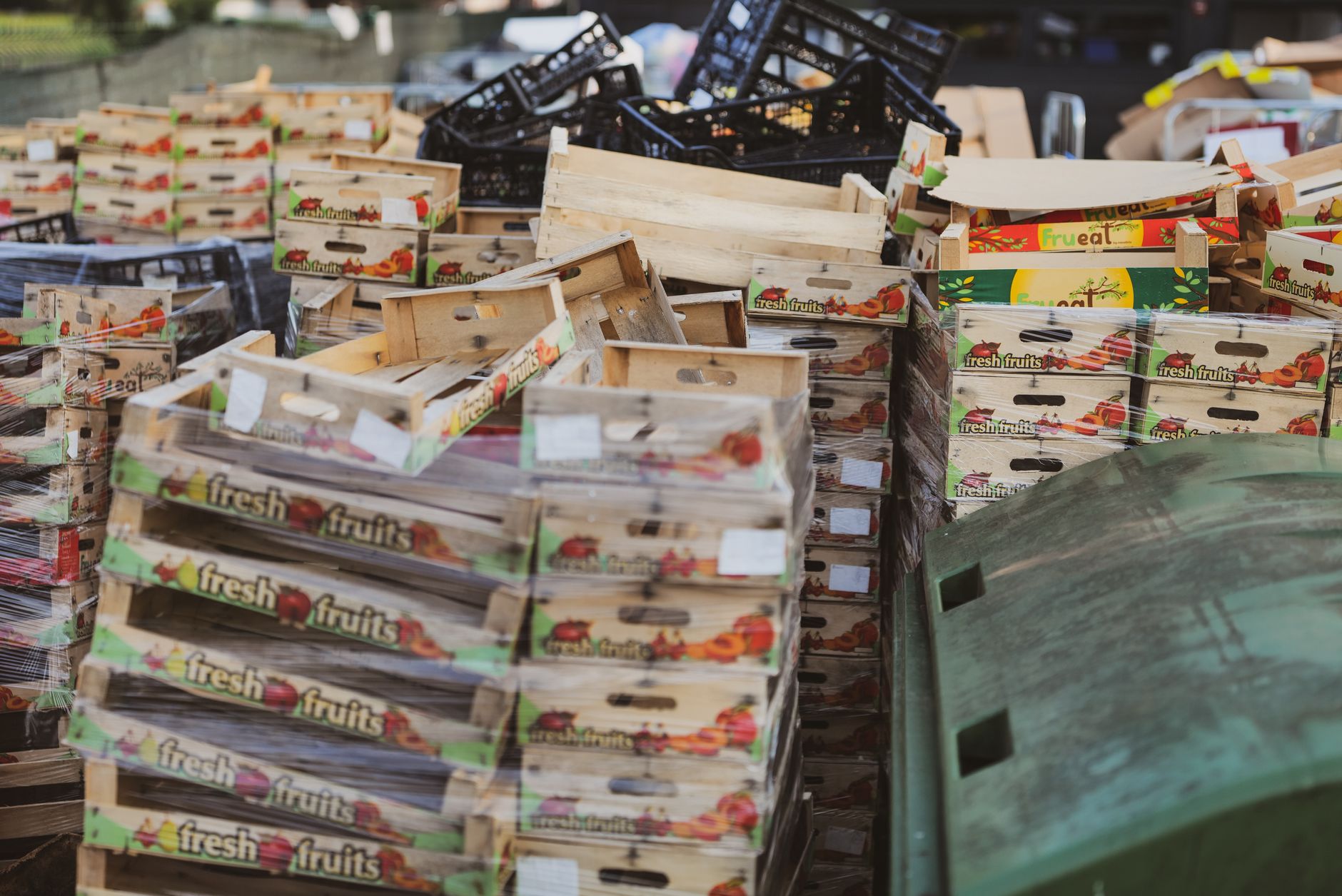
    A pile of discarded garments illustrating the scale of UK clothing waste
    Photo by Vladimir Srajber on Pexels

    What the WRAP and ONS figures actually tell us

    WRAP’s most recent textiles data paints a grim picture. The UK buys more clothing per person than any other country in Europe, and a significant portion of what we buy is worn fewer than five times before being discarded. The ONS consumer spending data backs this up: clothing expenditure has remained stubbornly high even as household incomes have been squeezed, suggesting we’re still buying at pace even when we probably shouldn’t be.

    What’s less reported is where that discarded clothing actually goes. Of the 1.7 million tonnes of clothing the UK uses annually, only around 700,000 tonnes is collected for reuse or recycling. The rest is binned. Of what does get collected via charity shops and textile banks, a portion still ends up exported to overseas markets in Africa and Eastern Europe, where the volume has become so overwhelming that some countries have moved to restrict imports. Ghana’s Kantamanto Market, once celebrated as a global secondhand hub, now describes being buried under low-quality fast fashion that nobody wants, even at near-zero prices.

    So the problem doesn’t disappear when you drop a bag off at the Oxfam on your high street. I’d encourage anyone who’s been feeling virtuous about their charity shop donations to read the full WRAP textile sustainability figures and sit with the discomfort of them.

    Why we keep buying clothes we don’t need

    There’s a psychological dimension to this that doesn’t get nearly enough airtime. Clothing has become a form of entertainment, a way of marking occasions, managing moods, and performing identity online. The average British woman now owns 118 items of clothing, according to a Barnardo’s survey, and admits to regularly wearing fewer than half of them. Men aren’t far behind.

    Part of this is structural. Retailers like Shein, Boohoo, and even some of the more established names have made clothing so cheap that buying feels trivial. A £4 T-shirt doesn’t feel like a significant purchase. Throwing it away after three washes doesn’t feel significant either. But multiply that across 67 million people and the maths becomes genuinely disturbing.

    I’ve written before about what actually happens to fast fashion returns, and the answer is at least as depressing as what happens to clothing we bin directly. Returned items that can’t be resold are often destroyed rather than donated. The system is broken from multiple ends.

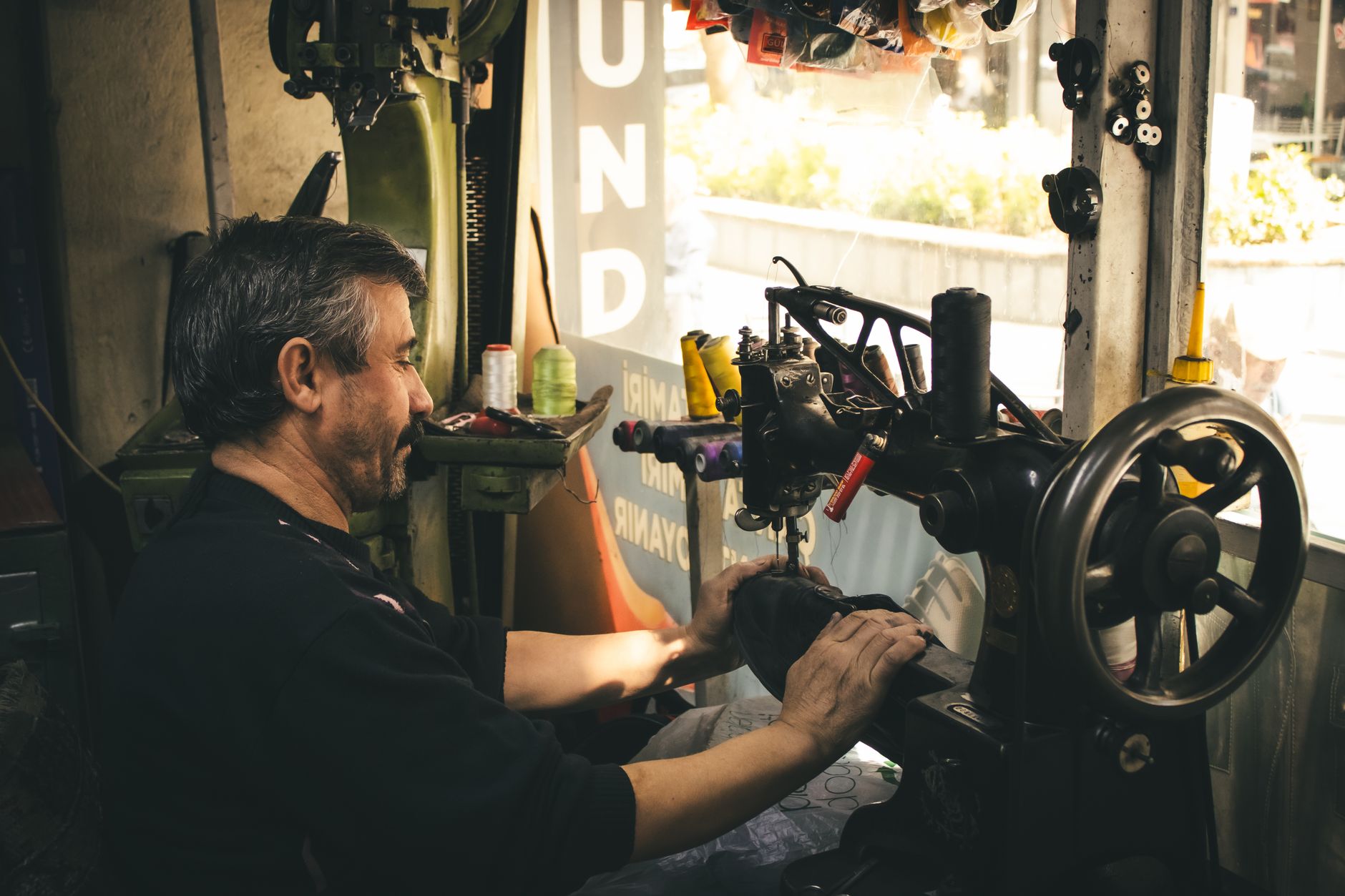
    Hands repairing clothing at a community repair café, part of local UK clothing waste reduction initiatives
    Photo by Gizem toprak on Pexels

    The local initiatives trying to stem the tide

    Here’s where I want to spend some time, because the doom can’t be the whole story. Across the UK, there are genuinely creative community-level schemes doing meaningful work on UK clothing waste, and most of them operate under the radar of national press coverage.

    Textile banks with a local loop. Several councils, including Leeds City Council and Bristol City Council, now operate clothing banks that feed directly into local reuse networks rather than bulk exporters. Garments collected are assessed locally, with wearable pieces going to community clothing exchanges, while non-wearable textiles are sent to UK-based fibre recyclers. It’s a tighter loop than the traditional charity route.

    Repair cafés. The Restart Project, which runs events across London, and similar groups in Manchester, Edinburgh, and Sheffield, bring together volunteers with sewing and repair skills to help people fix clothing rather than replace it. These aren’t niche hobbyist gatherings. The Restart Project alone has helped repair thousands of items and is building a model that councils are starting to take seriously as part of waste reduction strategies.

    Clothing swaps. Community clothing swaps have grown significantly post-pandemic, partly because people emerged from lockdowns with wardrobes full of unworn things and a renewed appetite for in-person events. Groups like Swap Shop UK and countless local Facebook and Nextdoor-organised events give garments a second life without anything leaving the community at all. If you’re looking for something social to do whilst doing good, Droptix is worth checking for community events in your area, including sustainability-focused swaps and local textile initiatives.

    School uniform exchanges. This one genuinely delighted me when I first came across it at scale. Councils and parent groups across the country have set up school uniform exchange schemes, recognising that children outgrow uniforms in months. Havering Borough Council, for example, runs a network of uniform swap stations across its schools. Given that school uniform is among the most frequently discarded clothing category in UK households with children, this is a practical solution with immediate impact.

    What all of these have in common is that they work at human scale. They’re not waiting for government policy or corporate sustainability pledges. They’re filling skips with far fewer garments by making reuse feel easy and social rather than effortful and pious.

    What the government is actually doing about it

    The extended producer responsibility (EPR) scheme for textiles, which would make clothing brands financially responsible for the end-of-life cost of their products, has been in discussion in the UK for some time. As of 2026, the Department for Environment, Food and Rural Affairs (DEFRA) has published consultations on textile EPR but formal legislation is still pending. Critics argue the pace is far too slow given the scale of the problem, and I’d be hard-pressed to disagree.

    France introduced its textile EPR scheme years ago, and producers there now fund a nationwide reuse and recycling infrastructure. The UK is catching up, but slowly. In the meantime, the voluntary measures retailers have signed up to under WRAP’s Textiles 2030 initiative are progress, but they’re not legally binding.

    What you can actually do right now

    I’d be doing a disservice if I ended on pure systemic critique without acknowledging that individual choices do matter in aggregate, even if they’re not sufficient on their own. The most effective things British households can do are also the least glamorous: buy less, wear what you own, repair before replacing, and donate only items you’d genuinely give to a friend.

    If you’re looking to rethink your wardrobe relationship more broadly, the wardrobe detox approach that’s been gaining traction is a genuinely useful framework. And if you’re interested in where your ethical alternatives lie once you’re ready to buy something new, the homegrown ethical clothing brands doing real work in 2026 are worth your attention.

    The 300,000 tonnes figure is shocking. But the fact that communities across the UK are building alternatives without waiting for permission? That’s the part worth holding onto.