Category: Lifestyle

  • The Shocking Reality of UK Clothing Waste: What Really Happens to the Garments We Bin Each Year

    The Shocking Reality of UK Clothing Waste: What Really Happens to the Garments We Bin Each Year

    I’ll be honest: I didn’t fully clock how bad the numbers were until I actually sat down with the WRAP data. We all know fast fashion has a problem. We’ve seen the headlines, maybe felt a flicker of guilt whilst bagging up last season’s impulse buys. But the sheer scale of UK clothing waste every single year? It’s the kind of figure that makes you put the bin bag down and just stare at the wall for a moment.

    According to WRAP (the Waste and Resources Action Programme), UK households discard around 300,000 tonnes of clothing every year, with the vast majority of it ending up in general waste rather than being recycled or donated. To put that in terms you can actually picture: that’s roughly equivalent to the weight of a million men in a country that sends most of those garments straight to landfill or incineration. It’s not a niche environmental concern. It’s a crisis sitting inside everyone’s wardrobe.
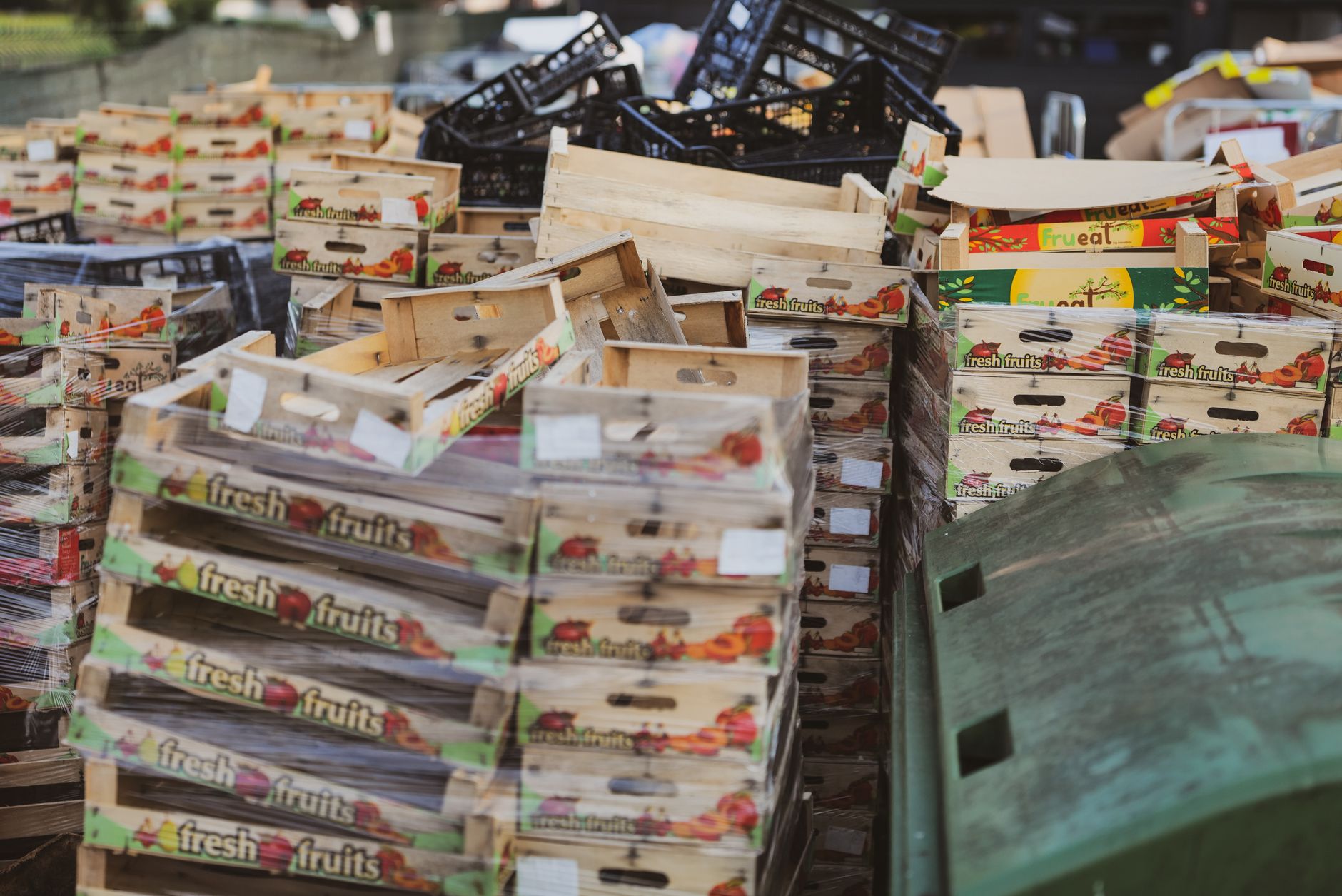
    A pile of discarded garments illustrating the scale of UK clothing waste
    Photo by Vladimir Srajber on Pexels

    What the WRAP and ONS figures actually tell us

    WRAP’s most recent textiles data paints a grim picture. The UK buys more clothing per person than any other country in Europe, and a significant portion of what we buy is worn fewer than five times before being discarded. The ONS consumer spending data backs this up: clothing expenditure has remained stubbornly high even as household incomes have been squeezed, suggesting we’re still buying at pace even when we probably shouldn’t be.

    What’s less reported is where that discarded clothing actually goes. Of the 1.7 million tonnes of clothing the UK uses annually, only around 700,000 tonnes is collected for reuse or recycling. The rest is binned. Of what does get collected via charity shops and textile banks, a portion still ends up exported to overseas markets in Africa and Eastern Europe, where the volume has become so overwhelming that some countries have moved to restrict imports. Ghana’s Kantamanto Market, once celebrated as a global secondhand hub, now describes being buried under low-quality fast fashion that nobody wants, even at near-zero prices.

    So the problem doesn’t disappear when you drop a bag off at the Oxfam on your high street. I’d encourage anyone who’s been feeling virtuous about their charity shop donations to read the full WRAP textile sustainability figures and sit with the discomfort of them.

    Why we keep buying clothes we don’t need

    There’s a psychological dimension to this that doesn’t get nearly enough airtime. Clothing has become a form of entertainment, a way of marking occasions, managing moods, and performing identity online. The average British woman now owns 118 items of clothing, according to a Barnardo’s survey, and admits to regularly wearing fewer than half of them. Men aren’t far behind.

    Part of this is structural. Retailers like Shein, Boohoo, and even some of the more established names have made clothing so cheap that buying feels trivial. A £4 T-shirt doesn’t feel like a significant purchase. Throwing it away after three washes doesn’t feel significant either. But multiply that across 67 million people and the maths becomes genuinely disturbing.

    I’ve written before about what actually happens to fast fashion returns, and the answer is at least as depressing as what happens to clothing we bin directly. Returned items that can’t be resold are often destroyed rather than donated. The system is broken from multiple ends.
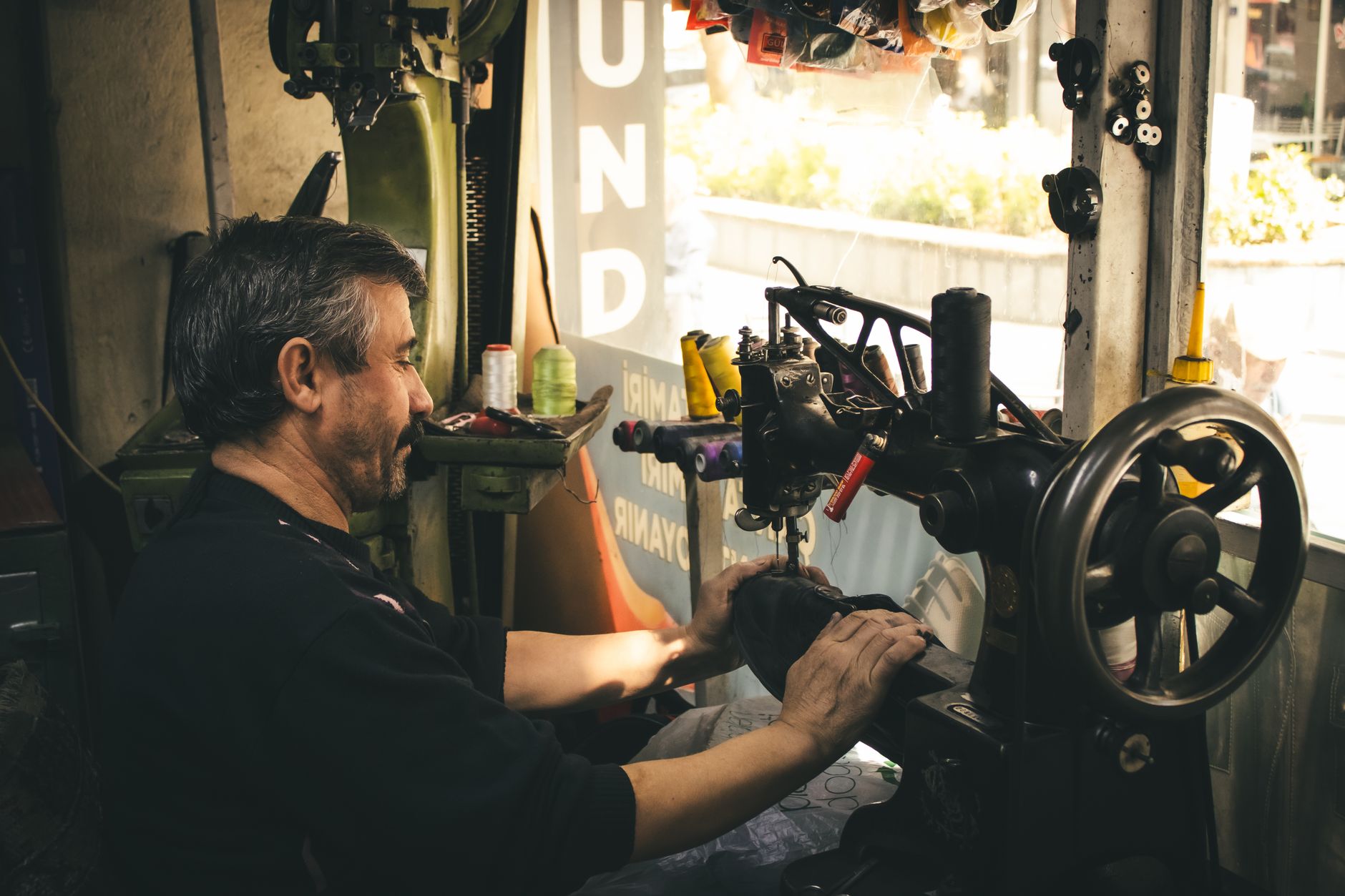
    Hands repairing clothing at a community repair café, part of local UK clothing waste reduction initiatives
    Photo by Gizem toprak on Pexels

    The local initiatives trying to stem the tide

    Here’s where I want to spend some time, because the doom can’t be the whole story. Across the UK, there are genuinely creative community-level schemes doing meaningful work on UK clothing waste, and most of them operate under the radar of national press coverage.

    Textile banks with a local loop. Several councils, including Leeds City Council and Bristol City Council, now operate clothing banks that feed directly into local reuse networks rather than bulk exporters. Garments collected are assessed locally, with wearable pieces going to community clothing exchanges, while non-wearable textiles are sent to UK-based fibre recyclers. It’s a tighter loop than the traditional charity route.

    Repair cafés. The Restart Project, which runs events across London, and similar groups in Manchester, Edinburgh, and Sheffield, bring together volunteers with sewing and repair skills to help people fix clothing rather than replace it. These aren’t niche hobbyist gatherings. The Restart Project alone has helped repair thousands of items and is building a model that councils are starting to take seriously as part of waste reduction strategies.

    Clothing swaps. Community clothing swaps have grown significantly post-pandemic, partly because people emerged from lockdowns with wardrobes full of unworn things and a renewed appetite for in-person events. Groups like Swap Shop UK and countless local Facebook and Nextdoor-organised events give garments a second life without anything leaving the community at all. If you’re looking for something social to do whilst doing good, Droptix is worth checking for community events in your area, including sustainability-focused swaps and local textile initiatives.

    School uniform exchanges. This one genuinely delighted me when I first came across it at scale. Councils and parent groups across the country have set up school uniform exchange schemes, recognising that children outgrow uniforms in months. Havering Borough Council, for example, runs a network of uniform swap stations across its schools. Given that school uniform is among the most frequently discarded clothing category in UK households with children, this is a practical solution with immediate impact.

    What all of these have in common is that they work at human scale. They’re not waiting for government policy or corporate sustainability pledges. They’re filling skips with far fewer garments by making reuse feel easy and social rather than effortful and pious.

    What the government is actually doing about it

    The extended producer responsibility (EPR) scheme for textiles, which would make clothing brands financially responsible for the end-of-life cost of their products, has been in discussion in the UK for some time. As of 2026, the Department for Environment, Food and Rural Affairs (DEFRA) has published consultations on textile EPR but formal legislation is still pending. Critics argue the pace is far too slow given the scale of the problem, and I’d be hard-pressed to disagree.

    France introduced its textile EPR scheme years ago, and producers there now fund a nationwide reuse and recycling infrastructure. The UK is catching up, but slowly. In the meantime, the voluntary measures retailers have signed up to under WRAP’s Textiles 2030 initiative are progress, but they’re not legally binding.

    What you can actually do right now

    I’d be doing a disservice if I ended on pure systemic critique without acknowledging that individual choices do matter in aggregate, even if they’re not sufficient on their own. The most effective things British households can do are also the least glamorous: buy less, wear what you own, repair before replacing, and donate only items you’d genuinely give to a friend.

    If you’re looking to rethink your wardrobe relationship more broadly, the wardrobe detox approach that’s been gaining traction is a genuinely useful framework. And if you’re interested in where your ethical alternatives lie once you’re ready to buy something new, the homegrown ethical clothing brands doing real work in 2026 are worth your attention.

    The 300,000 tonnes figure is shocking. But the fact that communities across the UK are building alternatives without waiting for permission? That’s the part worth holding onto.


  • Shocking or Groundbreaking? The UK Theatre Costumes That Sparked a National Conversation This Season

    Shocking or Groundbreaking? The UK Theatre Costumes That Sparked a National Conversation This Season

    There is something uniquely electric about a theatre costume that makes the audience gasp before a single line of dialogue has been delivered. I’ve sat in enough stalls to know that reaction well, that sharp intake of breath when a performer walks into the light wearing something nobody was expecting. This season, UK theatre costume design 2026 has produced more than its fair share of those moments, and the conversation outside the stage door has been anything but polite.

    From the West End to regional repertory theatres in Leeds, Bristol, and Edinburgh, designers are pushing what costume can say, provoke, and challenge. Some of it is genuinely thrilling. Some of it has had critics reaching for their sharpest vocabulary. All of it is worth talking about.

    Performer in bold costume under spotlight illustrating UK theatre costume design 2026
    Photo by cottonbro studio on Pexels

    The West End looks that divided the press this season

    Let’s start with the productions that generated the most noise. A major revival at the Donmar Warehouse this spring set social media alight by costuming a classical Greek tragedy in high-visibility workwear, safety boots, and fluorescent orange tabards. The director’s note described it as commentary on the invisible labour of working-class Britain. Several critics called it one of the most coherent design statements they’d seen in years. A vocal contingent of theatregoers, however, took to their keyboards to describe it as gimmicky and disrespectful to the source material.

    I’d argue the very fact people are still arguing about it three months on is the point. A costume that nobody remembers has failed. A costume that gets its own angry letters column in The Stage has done something right, even if the something is controversial.

    Meanwhile, a new musical at the Lyceum in London went in the opposite direction, drowning its cast in extraordinary, heavily structured Edwardian silhouettes rendered entirely in shades of ash grey and bone white. Not a single item of colour on stage for two and a half hours. The Guardian called it visually austere. The Daily Mail called it bleak. The production sold out its entire run within a fortnight of opening. People clearly wanted to see what the fuss was about.

    Regional theatre is doing the most interesting work right now

    I’ll be honest: I think the boldest UK theatre costume design 2026 has to offer is happening outside London. The Crucible in Sheffield staged a production of a Brecht play in which all the costume decisions were publicly debated and voted on by local community members before rehearsals began. The resulting combination of charity shop finds, donated workwear, and high-street pieces was deliberate and messy and oddly moving. It raised real questions about who gets to decide what storytelling looks like.

    In Bristol, the Old Vic produced a new play about the gig economy in which performers wore algorithmically generated costume combinations, each outfit calculated by software to represent the wearer’s income bracket and digital footprint. It sounds like a conceptual exercise, but in practice it was quietly devastating. Audiences queued after each show to photograph particular outfits and post them with captions about their own working lives.

    Edinburgh’s Lyceum, too, staged something worth noting: a reimagining of a Victorian novel in which all the female characters were costumed in contemporary professional dress, blazers and wide-leg trousers and court shoes, while male characters wore the period’s original silhouettes. Critics were split almost exactly down the middle. Audiences, from what I could gather speaking to people on the night, were largely fascinated rather than offended. The contrast made the power dynamics of the story impossible to ignore.

    When does bold become too far?

    This is the question I find myself coming back to. There is a meaningful difference between costume design that challenges the audience to think harder about a story and costume design that exists purely to generate press attention. The first is craft. The second is noise.

    The line gets blurry in practice. A West End production this year dressed its historical figures in parody-adjacent versions of contemporary political fashion, complete with exaggerated shoulder pads and conspicuously branded accessories (the brands were fictional, but recognisable archetypes). Some saw it as sharp satire. Others felt it reduced serious historical figures to punchlines. The Costume Society, which keeps a close eye on how theatrical design is received and discussed across the industry, has noted that audiences increasingly want to be in on the design conversation, not just presented with decisions made without them.

    That transparency matters. Productions that publish designer interviews, share concept sketches in their programmes, or host post-show discussions about the costume choices tend to get more generous audience responses, even when the choices themselves are provocative. People can disagree with a decision they understand. Opaque provocation just breeds resentment.

    If you’re interested in how costume decisions feed into bigger conversations about representation and storytelling, the work being done in British television’s book-to-screen adaptations is running a very similar argument in parallel, and the costume designers working across both mediums are increasingly thinking about the two forms together.

    What audiences are actually reacting to

    According to UK Theatre, audience attendance figures for non-musical drama have risen steadily over the past 18 months, which suggests that provocative, talked-about productions are bringing people in rather than driving them away. The controversy, in other words, is doing its job.

    I’ve noticed something anecdotally too. The productions that generate the most online argument tend to attract younger audiences for return visits. People bring friends specifically to have the argument in front of the thing itself. That is an unusual and rather brilliant effect for any art form to have.

    UK theatre costume design 2026 is, at its best, asking audiences to bring their opinions into the room and leave with them sharpened. The designers doing the most interesting work, people like Kinnetia Isidore, whose work on a new commission at the National this spring used upcycled vintage textile specifically sourced from British charity shops, are thinking about costume as argument rather than decoration. That shift is seismic, and it’s happening right now, in venues across the country.

    For anyone already paying attention to how fashion and identity intersect in public spaces, the conversation in theatre right now feels urgent in the same way that debates about influencer fashion advertising do, or the growing movement documented in British ethical clothing. Clothes, on stage or off, are never just clothes. They are the argument made visible.

    So, shocking or groundbreaking? My honest answer is: often both, and that’s exactly as it should be.

    Frequently Asked Questions

    Which UK theatre productions have had the most controversial costume design in 2026?

    Several productions have generated significant debate this season, including a West End revival using high-visibility workwear for a Greek tragedy and an Edinburgh production that dressed female historical figures in contemporary professional clothing. Regional theatres in Bristol and Sheffield have also produced costume concepts that attracted widespread commentary.

    Who decides on costume design in UK theatre productions?

    Costume design is typically handled by a dedicated costume designer working closely with the director and set designer. For major West End productions, this is usually a professional with formal training in theatre design, often from institutions like the Royal Academy of Dramatic Art or the London College of Fashion. Regional and fringe productions sometimes experiment with more collaborative approaches.

    How can I find out more about the costume choices in a theatre production before I attend?

    Most producing theatres now publish designer interviews and concept notes on their websites or in their programmes. UK Theatre’s website also carries production information and reviews, and many designers share process work on social media before and during a production’s run.

  • The Shocking New Rules Around Influencer Fashion Ads That Every British Shopper Should Know About

    The Shocking New Rules Around Influencer Fashion Ads That Every British Shopper Should Know About

    If you’ve spent any time on Instagram or TikTok recently, you’ll have noticed the little “#ad” or “Paid partnership” tags cropping up on everything from coat hauls to skincare routines. But here’s the thing: despite years of guidance, the rules around those disclosures have been murky, inconsistently applied, and frankly quite easy to game. That’s changing. The Advertising Standards Authority (ASA) and the Financial Conduct Authority (FCA) have both issued tightened guidance in 2026, and the influencer advertising rules UK fashion audiences need to understand are now stricter, clearer, and carry real consequences. I’d argue it’s one of the more quietly significant shifts in how we consume style content online.

    Woman scrolling fashion content on her phone, relevant to influencer advertising rules UK fashion 2026
    Photo by Anna Shvets on Pexels

    What’s actually changed in 2026?

    The ASA updated its influencer disclosure guidance earlier this year, closing several loopholes that creators had been using to blur the line between genuine recommendation and paid promotion. The most important change is the removal of ambiguity around what counts as a commercial relationship. Previously, a creator might argue that a gifted item (one they didn’t pay for but also weren’t formally contracted to promote) didn’t need an “#ad” label. That argument no longer holds. The ASA now says clearly: if you received the product for free, even with no formal posting requirement, it must be labelled. Full stop.

    The FCA’s involvement is newer and, I’ll be honest, slightly alarming in a way that hasn’t got nearly enough attention. The regulator has specifically flagged fashion influencers who promote buy-now-pay-later (BNPL) schemes and credit-linked shopping apps without adequate financial disclosures. If a creator is promoting Klarna, Clearpay, or similar services alongside a fashion haul, that content is considered a financial promotion and must comply with FCA rules. Creators who aren’t FCA-authorised can’t legally run those promotions at all without going through an authorised firm.

    What this means if you follow style creators on Instagram or TikTok

    For shoppers, these influencer advertising rules in the UK fashion space mean you have a better chance of knowing when you’re being sold to, as opposed to genuinely advised. The ASA’s guidance now requires that disclosures appear prominently and at the start of any caption or video, not buried after a wall of hashtags or flashed on screen for half a second. A tiny “#spon” tucked into line seven of a caption is no longer acceptable.

    On TikTok specifically, the ASA has made clear that verbal disclosures within the video itself are also required, not just text overlays. So if a creator says “this is not an ad” but they received the item for free, that’s a breach. I’ve seen this happen constantly with mid-tier creators who seem to genuinely believe gifted items sit in a grey area. They don’t, as of 2026.

    What this means practically for you as a follower is that content which looks like a casual outfit-of-the-day post but involves free clothing must now carry a clear label. The ASA’s influencer guide on making ads clear is genuinely readable and worth five minutes of your time if you want to understand the full picture. The short version: “Ad”, “Advert”, or “Advertising” are the only fully compliant labels. Abbreviations like “#spon”, “in association with”, or “thanks to [brand]” are not sufficient on their own.

    Who is actually being held accountable?

    The ASA can’t fine creators directly, but it publishes rulings and can refer persistent offenders to Trading Standards, which does have enforcement powers. In the past year, several UK fashion influencers have received public ASA rulings against them. The FCA situation is more serious: financial promotions that breach the regulator’s rules can lead to criminal liability.

    Brands are also on the hook. If a fashion label or retailer is directing a creator’s content without ensuring proper disclosure, the brand faces ASA and potentially CMA (Competition and Markets Authority) action. This is shifting how PR teams and brand managers approach influencer briefs, and from what I can tell, the smarter agencies are already updating their contracts to make disclosure compliance explicit.

    It’s worth noting this connects to broader questions about how honest the fashion content we consume really is. If you’re reading about what happens behind the scenes with fast fashion returns, you’ll know the industry isn’t always as transparent as its marketing suggests. The same pressure for honesty is now reaching influencer culture.

    How to spot a non-compliant ad yourself

    You shouldn’t have to become a media law expert to scroll Instagram without being misled, but a few quick checks help. Look for the disclosure in the first two lines of a caption, before any “read more” cut-off. On TikTok, listen for it in the opening few seconds of the video. On Instagram Stories, it should be on the first frame, not the fifth. If a creator links directly to a BNPL checkout option without any financial risk warning, that’s likely a breach of the FCA rules regardless of how the fashion content around it is labelled.

    The question of which creators you actually trust for genuine style advice is becoming more interesting. I’ve noticed some of the British personalities with the most credible personal style are also the ones being most upfront about what’s paid and what isn’t. There’s a reason authenticity is the currency that lasts longest in this space, and it’s why the British style voices genuinely worth following in 2026 tend to be those who build trust over time rather than chasing every gifting opportunity.

    The bigger picture for British fashion consumers

    The tightening of influencer advertising rules in the UK fashion space reflects something broader: regulators are finally catching up with how people actually shop. According to the ONS, online retail continues to account for a significant and growing share of UK clothing purchases, and social media content is a primary discovery channel for many shoppers, particularly under 35. The rules needed updating because the stakes are real. You might genuinely buy a £180 coat because someone whose feed you trust made it look effortless, only to discover later they were paid to feature it and didn’t particularly rate it at all.

    None of this means influencer content is inherently dishonest. Plenty of creators are genuinely passionate about the pieces they promote, paid or not. But you deserve to know the difference. The new guidance at least gives you a clearer signal to look for, and gives creators who do operate honestly a competitive advantage over those who’ve been vague about it. If you’ve been thinking about doing a proper reset of who you follow and why, this feels like a natural moment. A bit like the idea behind a wardrobe detox and style reset, sometimes you need to clear out what isn’t serving you before you can see what actually does.

    The rules are clearer now. The question is whether brands, creators, and platforms enforce them consistently. Watch that space.

  • Why British Women Are Ditching Dry January for a ‘Wardrobe January’, and What It Actually Looks Like

    Why British Women Are Ditching Dry January for a ‘Wardrobe January’, and What It Actually Looks Like

    Every January, the same conversation happens. Someone posts about giving up alcohol for the month, someone else announces they’re going vegan, and a third person declares they’re doing both while also running every morning before dawn. Good for them. Genuinely. But a growing number of British women are quietly opting out of the self-denial game entirely and channelling that same reset energy somewhere far more interesting: their wardrobes.

    The phrase “wardrobe detox January UK” has been picking up serious momentum in UK search trends over the past couple of years, and honestly, when you think about it, the timing makes perfect sense. You’ve just lived through the most heavily styled period of the year, Christmas parties, family gatherings, New Year celebrations, and now you’re staring at a bedroom floor covered in things you impulse-bought in November and wore once. The urge to sort it out isn’t vanity. It’s survival.

    Woman sorting through clothes during a wardrobe detox January UK style reset
    Photo by cottonbro studio on Pexels

    Why January hits differently for fashion-conscious women in the UK

    There’s something about the post-Christmas lull that makes British women especially reflective about how they present themselves. The festive chaos clears, the credit card statement arrives, and suddenly there’s a very honest reckoning happening in front of the wardrobe mirror. I’ve been through this myself more times than I can count, that moment of standing in front of a rail stuffed with clothes and thinking “I have nothing to wear” with complete sincerity.

    The British high street doesn’t help. The January sales arrive before the mince pies have gone stale, and the temptation to fill gaps with discounted pieces, rather than actually addressing why those gaps exist, is enormous. A wardrobe detox flips that entirely. Before you buy a single thing, you audit what you already own. And that audit, done properly, tends to be rather revelatory.

    The approach is less about minimalism for its own sake and more about understanding your own style language. What did you reach for every single week? What did you avoid touching for twelve months but feel guilty getting rid of? Those answers tell you far more about who you actually are, stylistically, than any Pinterest board ever could.

    What a wardrobe detox January UK actually looks like in practice

    The mechanics are simple enough, though the emotional side can get unexpectedly complicated. Pull everything out. Every coat, every dress shoved to the back of the rail, every pair of trousers that “might fit again someday”. Lay it all out where you can see it.

    From there, most women I know who’ve done this properly work with three categories: keep, donate, and undecided. The undecided pile is the one that tells the truth. If something sits there for a fortnight without you reaching for it even once, it’s already answered your question. Items in good condition can go to a local charity shop, Oxfam and Barnardo’s have become genuinely exciting fashion destinations in recent years, as we’ve written about before, and they’ll find a good home for pieces that deserve more love than you’re giving them.

    The more interesting part comes after the edit: the style audit. Once the clutter is gone, patterns emerge. You might realise you own fifteen black tops and zero interesting layering pieces. You might discover you’ve been subconsciously avoiding colour for years. This is where a wardrobe detox becomes less about tidying and more about genuine self-expression, figuring out who you are and who you want to be, dressed.

    The quiet luxury angle and the British minimalist pivot

    One reason the wardrobe reset trend has gained such traction in the UK is that it maps neatly onto a broader shift in how British women are thinking about getting dressed. The quiet luxury movement, the preference for fewer, better things worn with intention, has been seeping into mainstream British consciousness for a couple of years now, and January is the natural moment when that philosophy becomes actionable rather than aspirational.

    The logic is straightforward: you cannot build a refined, considered wardrobe if you haven’t first dismantled the chaotic one underneath it. A wardrobe detox is the prerequisite. You identify the quality pieces you already own that deserve to be the backbone of your wardrobe, and you clear the noise around them. Suddenly a good cashmere jumper and a well-cut trouser look like themselves again, instead of drowning in a sea of £8 impulse purchases.

    According to the ONS, clothing and footwear prices in the UK have seen notable fluctuations in recent years, which has made conscious consumption feel more urgent. When things cost more, the question “do I actually need this?” becomes a lot easier to answer honestly.

    Shopping the detox: how to fill gaps without undoing the reset

    This is where people tend to go wrong. They do a brilliant wardrobe detox, feel genuinely liberated, and then immediately replace everything they removed with new things that have exactly the same problem. The reset is only useful if the shopping that follows it is intentional.

    A simple rule: make a list of genuine gaps during the audit, and sit on that list for two weeks before buying anything. If you still feel strongly about an item after a fortnight, it’s probably a real need. If you’ve forgotten why you wrote it down, it was an impulse.

    The British high street has actually got rather good at filling wardrobe gaps in a considered way, if you know where to look, though that really does depend on what you’re after. Thinking about what works for your specific daily life, whether that’s commuting into a city centre office or working from a terraced house in a northern town, matters enormously. The fantasy wardrobe and the practical wardrobe need to overlap, otherwise the whole thing collapses by February.

    The style identity piece that nobody talks about

    Here’s what I find most compelling about the wardrobe detox January UK trend: it’s fundamentally about self-knowledge, not aesthetics. The women doing this aren’t all chasing the same look. Some emerge from the process with a cleaner, more capsule-style approach. Others realise they’ve been suppressing a very bold, maximalist instinct for years and start dressing with far more colour and personality. Both outcomes are completely valid.

    British celebrity style is interesting here, because some of the most genuinely compelling dressers in this country are not the ones following trends but the ones who’ve clearly done the internal work of knowing exactly what they want to communicate. If you’ve not thought about what your own style language actually says, it’s worth a read of our piece on British celebrities who’ve quietly got it right, less for the aspiration and more for the lesson in consistency.

    The point of a wardrobe reset is not a perfect wardrobe at the end of January. The point is that by February, you know what you actually like. You stop buying things that don’t serve you. You stop getting dressed on autopilot. And you start making choices that feel like you, rather than like a slightly anxious version of what you think you’re supposed to look like.

    That’s worth far more than a month without wine.

    Frequently Asked Questions

    What is a wardrobe detox in January?

    A wardrobe detox in January means auditing everything you own, removing items you no longer wear or love, and using the process to understand your personal style better before buying anything new. It’s become a popular UK alternative to the usual January self-improvement challenges, focusing on self-expression rather than self-denial.

    How long does a proper wardrobe detox take?

    Most people spread it across a weekend, a few hours to pull everything out and sort it, then a fortnight of living with the edited wardrobe before making any decisions about what to replace. Rushing it tends to mean you make the same choices you made before.

    What should I do with the clothes I remove during a wardrobe detox?

    Clothes in good condition can go to local charity shops like Oxfam, Barnardo’s, or a local hospice shop. Items that are worn out can be dropped at textile recycling points, which many councils and supermarkets now provide across the UK. Try to avoid simply throwing clothing in general rubbish where possible.

    Is a wardrobe detox the same as building a capsule wardrobe?

    Not exactly. A wardrobe detox is the process of clearing and auditing; a capsule wardrobe is one possible outcome of that process. Some women end up with a minimal capsule collection, others discover they actually want more variety and colour. The audit is useful regardless of which direction you head in afterwards.

    How do I stop buying the wrong things again after a wardrobe detox?

    Write a specific list of genuine gaps during your audit, then wait at least two weeks before purchasing anything. January sales make impulse buying very tempting, but sitting on a list separates real needs from momentary wants. Shopping with a list and a clear sense of your existing wardrobe makes a real difference to what you actually end up keeping long-term.

  • Primark vs Marks & Spencer: Which High Street Giant Actually Wins for Everyday British Wardrobes in 2026?

    Primark vs Marks & Spencer: Which High Street Giant Actually Wins for Everyday British Wardrobes in 2026?

    If you’ve ever stood in a high street changing room, one carrier bag from Primark and one from Marks & Spencer, wondering which you actually trust more, you’re not alone. I’ve done exactly that, more times than I’d like to admit. The Primark vs Marks & Spencer debate is one of those conversations British shoppers have been having for years, and in 2026 it feels more charged than ever. Prices have climbed, wardrobes are under pressure, and everyone wants to know where their money genuinely goes furthest.

    Shoppers on a British high street illustrating the Primark vs Marks & Spencer debate
    Photo by Christina & Peter on Pexels

    These two retailers occupy completely different emotional spaces on the high street, which is part of what makes comparing them so interesting. Primark is the thrill of the grab, the £7 top that somehow fits perfectly. M&S is the reliable old friend, the one your mum always swore by and you quietly admit she was right about. But in 2026, both have evolved in ways that scramble those assumptions.

    Quality: what you actually get for your money

    Let’s be straight about this. Primark’s quality varies enormously depending on the garment. A basic cotton T-shirt from Primark can hold up remarkably well through a dozen washes. A more fashion-forward piece, something with embellishment or a looser weave, often shows its age by the third wear. I bought a knitted cardigan there last autumn and by January it was pilling badly enough to make me wince every time I wore it.

    M&S plays a more consistent game. Their Per Una and Autograph ranges are genuinely well-constructed, and the brand has put real effort into fabric sourcing since their 2023 quality reset. The stitching holds, the linings sit properly, and the washes tend not to warp the shape. That said, even M&S isn’t immune to the odd disappointing season. Their basics range, the everyday essentials section, can feel thin for the price point.

    The honest verdict on quality: M&S wins for anything you plan to wear more than fifteen times. Primark wins when you need something for a specific occasion and don’t expect it to survive the year. Those are genuinely different shopping needs, and both are valid.

    Sizing: which retailer actually fits real British bodies?

    Sizing is where things get personal, fast. Primark’s sizing has long been erratic. A size 14 in one style can feel completely different from a size 14 in another, even within the same season. I’ve seen women online describe returning three different sizes of the same Primark dress because none of them fitted consistently. It’s a genuine frustration, and the lack of easy returns (Primark still doesn’t offer a formal refund on tried items in many stores) makes the gamble feel worse.

    Clothing rails in a British high street shop highlighting quality differences in Primark vs Marks & Spencer ranges
    Photo by Ron Lach on Pexels

    M&S has historically been more consistent, particularly for women over 35 who have felt ignored by fast fashion sizing models. Their Goodmove activewear line, for instance, sizes up to a 28 in many pieces, and the fit across that range has received genuinely positive feedback. The introduction of their online virtual fitting tool has also helped customers avoid the guesswork that once put people off ordering. According to BBC Business, M&S has been one of the few high street retailers to grow its clothing market share meaningfully over the past two years, and better sizing inclusivity is frequently cited as a contributing factor.

    Primark is making efforts. They’ve extended their size range in store, with more styles now going up to a size 26, and some locations have dedicated plus-size sections rather than the old habit of tucking a few larger sizes onto the main rail. Progress, but not quite parity with M&S yet.

    Value: and what that word actually means in 2026

    Here’s where the comparison gets genuinely complicated. Primark is obviously cheaper on a per-item basis. A pair of linen trousers from Primark might cost £16. The equivalent from M&S could be £45. On pure price, Primark wins every time.

    But value isn’t the same as price. If the Primark trousers need replacing after one summer and the M&S ones last three, the M&S pair costs less per wear. This cost-per-wear argument has been gaining traction among British shoppers who’ve become more conscious about the environmental and financial impact of buying cheap and often. Some of us, having read pieces about what actually happens to fast fashion returns, are rethinking the whole model.

    There’s also the question of what you’re wearing and why. For trend-led pieces, the ones tied to a particular season or moment, Primark makes complete sense. You’re not buying a £6 crop top to last a decade. For wardrobe staples, the coat, the well-cut trousers, the blazer that works across multiple outfits, M&S is harder to argue against.

    I’d also mention that M&S’s Sparks loyalty scheme gives regular shoppers genuine discounts and early access to sales, which softens the price gap more than people realise. If you shop there a few times a year, you’re probably paying less than the ticket price suggests.

    The ethical dimension neither retailer has fully solved

    Both brands talk about sustainability. M&S’s Plan A commitments are long-standing and reasonably well-documented. Primark’s Primark Cares initiative has pledged to make all products from more sustainable or recycled materials by 2030. Whether either brand is doing enough is a separate and longer argument.

    What’s clear is that British shoppers are paying more attention than they used to. The growth of vintage and second-hand shopping, which I’ve written about before in a piece on why vintage stores are taking over British high streets, is partly a response to frustration with both ends of the market: the throwaway culture of fast fashion and the premium prices of supposedly ethical brands.

    If you care about this stuff, M&S is the more transparent of the two, though transparency and actual ethical practice aren’t always the same thing. Primark’s sheer volume makes it harder to audit. That’s not a reason to avoid it entirely, but it’s worth factoring in when you’re deciding where your pounds go.

    So which one should you actually be shopping at?

    My honest answer: both, strategically. Use Primark for trend items, occasionwear you’ll wear twice, and anything your kids will grow out of in three months. Use M&S for investment basics, outerwear, swimwear, and anything you want to still be wearing in 2028.

    The shoppers I know who dress really well on a normal budget, not celebrity money, the kind of style that makes you look twice in the street, tend to mix both. A great coat from M&S. A fun printed blouse from Primark. Smart trousers from M&S. A festival outfit from Primark. It’s not either/or, and anyone telling you it is probably hasn’t thought it through properly.

    On a completely separate note, if you’re working on your general wellbeing alongside your wardrobe refresh this year, some readers have been exploring products like those stocked by HealthPod Mansfield as part of their broader health routines. Entirely your call, but worth knowing the option exists.

    The British high street is not dying; it’s sorting itself out. M&S and Primark will both still be standing when the dust settles because they serve genuinely different needs. Understanding which need you’re shopping for on any given day is, frankly, the most useful wardrobe skill you can develop. For more on building a wardrobe that actually works for you, have a look at our guide to quiet luxury and why less is more in 2026.

    Frequently Asked Questions

    Is Primark better quality than it used to be in 2026?

    Primark has made some improvements, particularly in its basics range and extended sizing options, but quality still varies a lot between product lines. Simpler garments like plain T-shirts and jersey basics hold up reasonably well; more complex pieces with embellishment or looser weaves tend to show wear quickly.

    Is M&S clothing worth the extra cost compared to Primark?

    For wardrobe staples you plan to wear repeatedly, M&S generally offers better cost-per-wear value despite higher ticket prices. Their fabrics wash better and keep their shape longer. For trend-driven or occasional pieces, Primark’s lower prices make more sense.

    How does M&S sizing compare to Primark for plus-size shoppers?

    M&S has a more consistent and inclusive size range, with many styles extending to a size 28 and more reliable fit across sizes. Primark has expanded its range but sizing can still be inconsistent between styles, and the no-refund policy makes the guesswork more frustrating.

    Can you return clothes to Primark if they don't fit?

    Primark’s returns policy is more limited than most UK retailers. They accept returns of unworn, tagged items within 28 days for a refund or exchange, but the policy around tried-on items varies by store. Always check in-store before purchasing if you’re unsure about sizing.

    Which retailer is more ethical, Primark or Marks & Spencer?

    M&S has more transparent sustainability commitments through its long-running Plan A programme and is generally easier to audit. Primark’s Primark Cares initiative has pledged significant changes by 2030, but its sheer production volume makes independent verification harder. Neither is perfect, but M&S currently leads on transparency.

  • The Unexpected British Celebrities Who Quietly Have the Best Personal Style in 2026

    The Unexpected British Celebrities Who Quietly Have the Best Personal Style in 2026

    There’s a certain kind of British celebrity who will never be papped outside Chiltern Firehouse in a look that takes twelve assistants to pull together. They just… turn up, looking extraordinary, and nobody writes a single word about it. I’ve been keeping a quiet list of these people for months now, and honestly, it’s more interesting than anything that lands on the front pages of the weekend supplements. British celebrity personal style at its best isn’t always the loudest thing in the room. Sometimes it’s the person in the corner who you clock and then can’t stop looking at.

    Stylish British woman at an event, representing under-the-radar British celebrity personal style
    Photo by FOERDER ZONE on Pexels

    The fashion conversation in Britain tends to collapse around about twelve names. You know the ones. They’re at every premiere, every London Fashion Week front row, every brand campaign. But underneath that layer of the perpetually visible, there are performers and creatives whose approach to dressing is genuinely considered, often genuinely original, and wildly underreported. Let me make the case for a few of them.

    The actors doing it quietly and doing it brilliantly

    Adjoa Andoh has been one of the most compelling dressers in British public life for years, and still doesn’t get a fraction of the coverage she deserves. Her off-duty wardrobe mixes sculptural African print pieces with sharp tailoring in a way that feels personal rather than assembled. She wears colour with the confidence of someone who genuinely understands it, not as a statement but as a natural language. Every appearance is different. None of it feels like it was stress-tested by a stylist at 2am.

    Then there’s David Harewood. The man has been turning up to press junkets and industry events in suits cut so beautifully they almost look handmade, often in earthy tones that most men would run from. He leans into texture in a way that’s unusual for British male celebrities, who still tend to default to navy or grey. I’d argue he’s one of the best-dressed men in British television and almost nobody is saying it.

    Musicians who treat getting dressed like a craft

    Little Simz is a name that should appear in far more style conversations. Her aesthetic sits somewhere between utilitarian street references and genuinely sharp tailoring, and it shifts constantly without ever losing coherence. She wore a look at the Brit Awards in 2025 that I’m still thinking about: structured, restrained, unmistakably hers. The quiet luxury direction that’s absorbed so many celebrities right now passes her by entirely; she has too much personality for that. Her style is confident and specific, which is rarer than it sounds.

    British musician in bold colour outfit capturing distinctive British celebrity personal style
    Photo by Yan Krukau on Pexels

    Arlo Parks deserves a mention here too. She’s built an aesthetic around vintage-leaning pieces, rich jewel tones, and thoughtful layering that reads as genuinely her own. There’s nothing trend-chasing about it. She’s spoken in interviews about loving second-hand finds and independent designers, which, given what we know about the rise of vintage shopping across Britain, makes her something of an accidental barometer for where British fashion culture is actually heading.

    Presenters who’ve quietly built something distinctive

    Clara Amfo is an obvious one if you’ve been paying attention, but she still doesn’t get the style-icon coverage she’s earned. Her approach is maximalist in the best sense: bold prints, statement jewellery, unapologetic colour blocking. She makes it look effortless, which is the most skilled thing a person can do with clothes. Effortless takes enormous effort.

    Rylan Clark is a more interesting case than people expect. He started out in the kind of peacock-loud looks that were always going to date, but over the last few years something shifted. He’s leaned into a sharper, more grown-up silhouette, still fun, still him, but genuinely well-constructed. His transition from reality TV contestant to respected television presenter has had a very clear visible dimension that most commentators have missed entirely.

    I was thinking about this recently while reading a piece about how people style their homes as carefully as they style themselves, which led me down a satisfying rabbit hole about interior aesthetics. If you’re the kind of person who fusses over a perfectly hung outfit, you’re often the same person fussing over window dressing and wall colours. I came across Vesta Blinds and Shutters Mansfield in that context, and it struck me that the same eye for proportion and clean lines that makes a great outfit also makes a great room. Good taste doesn’t stay in the wardrobe.

    What makes under-the-radar style so compelling

    The figures I’ve described above share something that’s hard to name but easy to recognise. Their clothes look like them. Not like a mood board their team assembled, not like a brand partnership dressed up as a personal choice, but genuinely like an extension of who they are. According to research from the University of the Arts London, personal style functions as a form of non-verbal identity communication, and the most compelling examples are those where the communication is consistent across contexts, not just on a red carpet but at the corner shop, at the school gates, on a Tuesday.

    That consistency is what separates a person with real style from a person who just has good styling. The celebrities the British press obsess over often have the latter. The people on this list have the former. They’ve made choices about who they are, and their wardrobes reflect those choices without anyone having to explain it to you.

    Why British fashion media keeps missing this

    Part of the answer is structural. British celebrity coverage still gravitates towards the safest possible version of fame: the biggest shows, the most-followed accounts, the names that guarantee clicks regardless of content. The people I’ve written about here are critically acclaimed, genuinely respected in their industries, and quietly building the kind of long-term cultural relevance that the flash-in-the-pan front-page names rarely manage. But they don’t generate the same algorithmic heat, at least not yet.

    I’d also point to the way British fashion media covers race and identity. Many of the most stylistically interesting people working in British public life right now are Black British creatives who are doing something genuinely original with their relationship to clothes, drawing on wider cultural references, postcolonial aesthetics, British subculture, and contemporary design in ways that deserve serious treatment. The coverage doesn’t always match the work. That’s a gap worth naming.

    The good news is that audiences are noticing even when publications aren’t. Social media comment sections under any appearance by Adjoa Andoh or Little Simz are full of people asking where things are from, clocking the details, wanting to talk about it. The appetite is there. The editorial attention just hasn’t caught up yet.

    Pay attention to the people nobody’s written a six-page profile about. In my experience, that’s exactly where the most interesting things are happening.

    Frequently Asked Questions

    Which British celebrities are known for having the best personal style right now?

    Names like Adjoa Andoh, Little Simz, Clara Amfo, and David Harewood consistently impress with distinctive, considered wardrobes, though they rarely receive the style coverage their choices deserve. Their looks tend to feel personal and consistent rather than trend-driven.

    What makes a celebrity's personal style stand out from just having good styling?

    Personal style is consistent across all contexts, not just on a red carpet. A celebrity with real style makes the same considered choices at a low-key event as at a major premiere, and their clothes feel like a natural extension of their personality rather than a carefully managed image.

    Why don't under-the-radar British celebrities get more fashion coverage?

    British celebrity coverage tends to prioritise the highest-profile names for guaranteed traffic, which means genuinely stylish but less commercially dominant figures get overlooked. There’s also a recognised gap in how British fashion media covers Black British creatives and their aesthetic contributions.

    How does Little Simz's style differ from mainstream celebrity fashion trends?

    Little Simz avoids trend-chasing entirely, mixing utilitarian references with sharp tailoring in a look that’s distinctly her own. While many celebrities have adopted quiet luxury aesthetics, her style remains bold and personality-led, making it immediately recognisable.

  • Inside the Drama at London Fashion Week 2026: The Moments That Had the British Press Talking

    Inside the Drama at London Fashion Week 2026: The Moments That Had the British Press Talking

    Right. London Fashion Week 2026 has wrapped, the models have kicked off their heels, and the fashion press has collectively chain-drunk approximately seventeen flat whites each. I’ve spent the past week watching, reading, and, let’s be honest, gasping at what came down those runways and off them. London Fashion Week always delivers something to argue about at dinner, but this season felt particularly charged. The London Fashion Week 2026 highlights drama did not disappoint.

    Models on the runway at London Fashion Week 2026, capturing the highlights and drama of the season
    Photo by Genaro Servín on Pexels

    The show that stopped everything: Simone Rocha’s emotional finale

    Let’s start where everyone else started. Simone Rocha closed her show with a finale that left the front row visibly undone. Models walked in near-identical ivory gowns layered with hand-stitched dark lace, each carrying a single wilting stem. No music for the last sixty seconds. Just footsteps on the runway. The silence was reportedly more unsettling than anything a DJ could have managed, and several journalists described it as the most quietly devastating thing they’d seen on a London runway in years. According to BBC Arts, the show drew an immediate response on social media that dwarfed most other LFW moments this season. I’d agree. It was the kind of thing you watch and feel slightly guilty for applauding, like clapping after a poem about grief.

    The walkout nobody saw coming

    Drama doesn’t only happen on the catwalk, does it. Word spread fast on the second morning that a prominent British stylist had walked out of a front-row seat mid-show at one of the bigger commercial presentations, reportedly unhappy with the seating arrangement after her name tag had been moved at the last minute. The show itself was fine, wearable tailoring, excellent trousers, but nobody was talking about the trousers. By the afternoon, the stylist had posted a carefully worded Instagram story that said nothing and implied everything. British passive aggression at its most high-fashion. The press loved it.

    Which collections actually made people want to buy things

    Amongst all the spectacle, a few collections cut through for genuinely commercial reasons. Roksanda showed a run of wide-leg separates in oxblood and warm caramel that felt wearable without being boring, and the audience responded accordingly. Several pieces were reportedly being enquired about before the show had even ended. Erdem went in the opposite direction, deeply theatrical, heavily embroidered, and absolutely not something you’d grab for a Tuesday morning, but the craftsmanship was extraordinary. I kept thinking about the costume designers I’d been reading about in the quiet drama unfolding in British book-to-screen adaptations; Erdem’s work this season had that same quality of historical obsession reimagined for now.

    The sustainability conversation nobody could avoid

    LFW organisers had flagged sustainability as a key theme ahead of the week, and several designers took that seriously. Bethany Williams showed a collection made partially from deadstock fabric sourced from British manufacturers, with printed linings that documented exactly where each piece came from. It was the kind of radical transparency that felt genuinely new. British shoppers are increasingly paying attention to this stuff, I wrote recently about homegrown ethical clothing brands pulling British shoppers away from fast fashion giants, and the interest at LFW confirmed that this isn’t a niche concern any more. The audience for Bethany Williams wasn’t just press; it included buyers who’d specifically flown in from European stockists interested in the provenance story.

    Not every designer played along, of course. One show featured what appeared to be thousands of plastic beads sewn into a single gown. The internet had opinions.

    The model moment everyone clipped and shared

    A newcomer, nineteen years old, from Sheffield, making her LFW debut, tripped on the raised hem of an oversized coat about halfway down the runway at a mid-tier show. She recovered immediately, paused for exactly one beat, raised an eyebrow at the audience, and kept walking. The clip went everywhere. By that evening she had more Instagram followers than the brand she was walking for. That’s LFW. Someone does something unscripted and real, and the internet decides they’re the whole point of the week. She handled it with the kind of composure that takes most people a decade to develop. Good for her.

    The stylist wars playing out in plain sight

    LFW front rows are famously political, and this season the seating plans were being scrutinised like they were government documents. Who sat next to whom, who was relegated from the front row to the second, which influencers had been given seats previously reserved for print journalists, all of this was documented, debated, and occasionally weaponised online. British fashion journalism is going through something of an identity crisis as print circulation continues to fall, and the tension between legacy press and digital creators was right there in every row of chairs, visible to anyone who cared to look.

    I think this connects to something bigger happening on British high streets and in British wardrobes right now. The way people discover fashion has changed completely, and LFW is still working out how to reflect that. The rise of resale and vintage has shifted what feels aspirational, if you want to understand why, the real reasons vintage stores are taking over British high streets is worth a read. The runway and the charity shop are in conversation in ways they never used to be.

    The show that genuinely divided opinion

    One collection split the room clean in half. A newer label showed a range built almost entirely around workwear, specifically, the kind of uniform-adjacent clothing that millions of British people actually wear to do actual jobs. Nurses’ scrubs reimagined in silk. Supermarket tabards recut in heavyweight linen. A postman’s bag remade in butter-soft leather. Half the press called it a sharp comment on class and visibility. The other half called it costume. Both reactions were probably right, which is the sign of something genuinely interesting. It’s been rattling around in my head since I saw it.

    What LFW 2026 actually told us

    London has always been the awkward, brilliant sibling in the fashion week calendar. Paris is glamour, Milan is polish, New York is commerce, London is the one that picks a fight in the best possible way. This season that felt more true than ever. The London Fashion Week 2026 highlights drama came from unexpected places: a silent finale, a recovered stumble, a sustainability label making buyers take notes. The biggest moments weren’t necessarily the biggest budgets. That’s something to feel genuinely good about.

    Frequently Asked Questions

    When did London Fashion Week 2026 take place?

    London Fashion Week 2026 took place in February 2026, following the traditional fashion calendar schedule. The event spans multiple days and features shows, presentations, and industry events across the city.

    Who are the standout designers from London Fashion Week 2026?

    Simone Rocha, Roksanda, Erdem, and Bethany Williams generated significant buzz this season for very different reasons. Simone Rocha’s emotional finale and Bethany Williams’s commitment to deadstock fabrics were particular talking points amongst press and buyers.

    How can I watch London Fashion Week shows if I'm not there in person?

    Many shows stream live on the British Fashion Council’s official website and on designers’ own Instagram and YouTube channels. Some brands also release full show footage in the days following LFW, so you don’t need an invitation to see the collections.

    Is London Fashion Week open to the public?

    Most runway shows are invitation-only and reserved for press, buyers, and industry professionals. However, the British Fashion Council does organise some public-facing events and initiatives during the week, and these are announced in advance on their website.

  • The Real Reason British High Streets Are Filling Up With Vintage Stores, and Why It’s More Complicated Than You Think

    The Real Reason British High Streets Are Filling Up With Vintage Stores, and Why It’s More Complicated Than You Think

    Walk down almost any UK high street right now and you’ll notice something has changed. Charity shop rails are curated like boutiques, new vintage independents are opening where Topshop and Debenhams once stood, and the queue outside a Saturday morning pop-up pre-loved market looks nothing like it did five years ago. The surge in vintage clothing shops on UK high streets is real, it’s accelerating, and it’s about a lot more than aesthetics.

    I’ve been watching this shift for a while now, and honestly, the more I dig into it, the more fascinating it becomes. This isn’t simply about young people wanting to look different from their parents. There are proper economic forces at work here, a generational value shift, and some serious implications for the big-name retailers who’ve spent decades assuming they owned the British wardrobe.

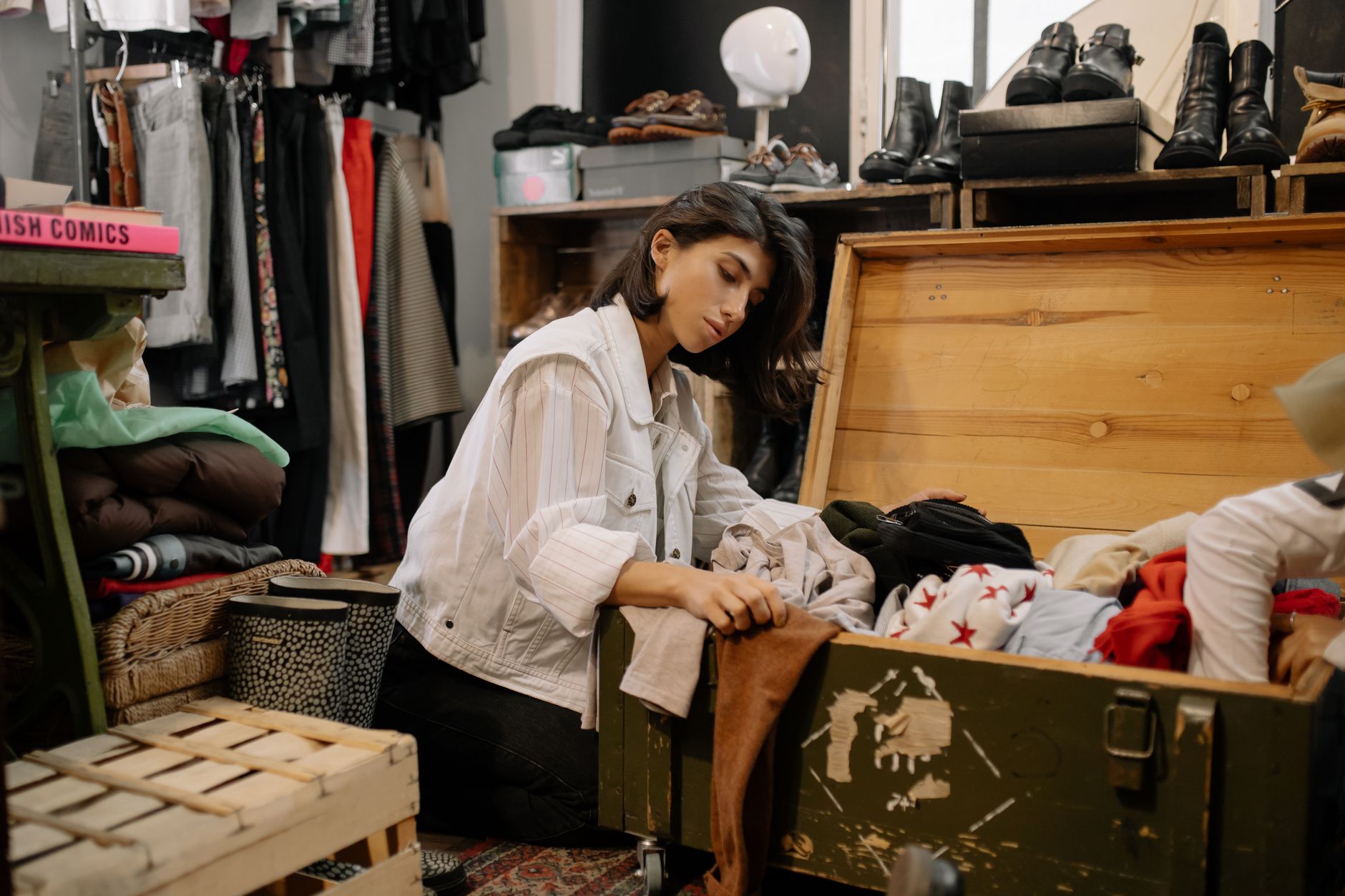
    Young woman browsing rails in one of the new vintage clothing shops appearing on UK high streets
    Photo by Sami Aksu on Pexels

    The cost-of-living squeeze is sending shoppers straight to the pre-loved rail

    Let’s be honest about the economics first. The ONS data on inflation tells a clear story: clothing and footwear costs rose sharply through 2023 and 2024, and while the rate has cooled slightly, the cumulative hit to household budgets hasn’t gone anywhere. When a new-season coat from a mid-range high street label sits at £120 and a nearly identical one from a vintage shop costs £22, the maths isn’t complicated.

    What’s interesting, though, is that the pre-loved boom isn’t purely driven by necessity. Plenty of people shopping in vintage stores right now are not skint. They’re making an active choice. The cost-of-living pressure has given permission to a behaviour that was already quietly growing, especially among shoppers in their twenties who find the whole disposable-clothing model deeply unappealing. Saving money and spending consciously feel like the same decision when you’re standing in front of a rack of deadstock denim.

    The figures back this up. The UK’s second-hand clothing market was valued at around £6.5 billion in 2024, according to ThredUp’s Global Resale Report, and projections suggest it could outpace the fast fashion sector within the next decade. That’s not a niche. That’s a structural shift.

    Gen Z isn’t shopping the way brands predicted

    Every retailer in Britain has spent the last few years trying to figure out what Gen Z wants. The answer, it turns out, is not what Topshop tried to sell them. Gen Z shoppers, broadly those born between 1997 and 2012, grew up watching fast fashion return scandals unfold in real time. I’ve written before about what actually happens to your parcel when you send it back to ASOS or Zara, and the reality is grim enough to put anyone off a guilt-free impulse buy.

    This generation is also deeply savvy about algorithms and brand marketing. They know when they’re being sold to. A vintage piece, by contrast, carries a kind of authenticity that no influencer campaign can replicate. It’s already lived a life. It doesn’t come in identical versions on ten thousand other people. And crucially, it tells a story, which is the currency that matters most on social media right now.

    TikTok’s thrift-flip culture has done more for the UK vintage market than any trade campaign could have managed. Searches for vintage clothing among 18-to-24-year-olds on Depop, the UK-founded resale platform now with millions of active buyers, have climbed year on year. Depop itself was Nusan-level clever in spotting that the next generation of consumers wanted discovery, not curation from above, and built its whole model around that instinct.

    Close-up of pre-loved clothing on a curated vintage rail, typical of the new vintage clothing shops on UK high streets
    Photo by Taras Chuiko on Pexels

    What does this mean for Next, M&S, and the high street stalwarts?

    Here’s where it gets genuinely complicated. Marks & Spencer has had a remarkable few years by any measure, their Per Una and Autograph ranges have found a new audience, and the food hall continues to be a national institution. Next’s Directory model has proved resilient. But both brands, along with almost every other traditional high street name, are watching a generation of potential shoppers divert spending away from new-season stock and towards pre-loved alternatives.

    The smarter retailers have started responding. M&S launched a clothing rental partnership. John Lewis experimented with a resale scheme. These are tentative moves, and I’d argue they haven’t committed to them seriously enough yet. The brands that will come out well from this shift are the ones that stop treating second-hand as a threat and start treating it as part of their own story.

    There’s also a quality conversation happening that the mid-market should be paying attention to. Part of the appeal of vintage is that older garments were simply built better. A wool coat from the 1990s will outlast most things made in 2026. If M&S and Next can make a genuine, credible case for quality and longevity, they have a real argument. If they can’t, they’re fighting on the wrong ground entirely.

    This connects to a broader shift in how people think about their wardrobes. The move towards homegrown ethical clothing brands and the explosion of vintage stores are part of the same story: people want to feel good about what they’re wearing, not just look good in it.

    The cultural lift that charity shops didn’t expect

    It would be wrong to tell this story without acknowledging what’s happened to charity shops. Oxfam, Barnardo’s, and British Heart Foundation shops have quietly become genuine fashion destinations for people who wouldn’t have been caught dead in one a decade ago. The Great British charity shop glow-up is real, and it’s changed the social meaning of pre-loved shopping entirely.

    There’s no shame attached anymore. If anything, there’s a kind of status in the find. I’ve seen people photograph their charity shop hauls with the same pride they’d once reserve for a Selfridges bag. The aesthetic has shifted. The discourse has shifted. And the footfall in the best-located charity shops on high streets in cities like Bristol, Edinburgh, Manchester, and Brighton reflects all of that.

    It’s also worth noting that specialist vintage independents are doing something different from charity shops. They curate, they price with knowledge, they create atmosphere. Walking into a well-run vintage shop feels more like a quiet luxury experience than a rummage sale. The best ones have become genuine cultural spaces, hosting events, collaborating with local designers, and attracting customers who’d happily spend more on a single considered piece than they would on a bag full of new fast fashion.

    What the high street actually looks like now

    The physical reality of UK high streets in 2026 reflects all of this. Empty units that once housed H&M spinoffs or phone repair shops are being taken by independent vintage traders on short-term leases, often with support from councils keen to fill space and attract footfall. Pop-up vintage fairs in town centres are drawing weekend crowds. Markets in places like Portobello Road, Brixton, and the Northern Quarter in Manchester are busier than they’ve been in years.

    This isn’t the death of the high street people predicted. It’s a mutation. The high street is becoming something different, and vintage clothing shops are a significant part of what it’s becoming. Whether that’s good or bad probably depends on where you stand, and what you’re trying to sell.

    My honest take: it’s good. A high street full of independent vintage traders, ethical brands, and local character is more interesting, more resilient, and more human than one full of identical franchise units. The question is whether the legacy retailers adapt quickly enough to play a role in that world, or whether they’re left watching it happen from a distance.

    Frequently Asked Questions

    Why are vintage clothing shops opening on UK high streets so quickly?

    A combination of affordable short-term leases on empty units, strong consumer demand driven by cost-of-living pressures, and a cultural shift towards sustainable shopping has made vintage retail more commercially viable than ever. Councils are also actively encouraging independent traders to fill vacant high street spaces.

    Is buying vintage clothing actually cheaper than shopping at high street brands?

    In most cases, yes, especially for outerwear, denim, and knitwear. A pre-loved wool coat in good condition typically costs a fraction of a comparable new item from M&S or Next. Specialist vintage shops do price some items higher based on rarity or era, but even then the value-for-quality ratio is usually strong.

    Why do Gen Z shoppers prefer pre-loved and vintage fashion?

    Gen Z tend to prioritise individuality, sustainability, and authenticity in their purchases. Pre-loved clothing offers pieces that aren’t mass-produced, carries lower environmental impact than new fast fashion, and often performs better on social media because it’s unique. Platforms like Depop have made second-hand shopping feel native to how this generation already shops online.

  • The Ofcom Complaints That Shocked British TV Audiences Most in 2025, and What They Tell Us About the UK

    The Ofcom Complaints That Shocked British TV Audiences Most in 2025, and What They Tell Us About the UK

    There is something quietly revealing about the list of programmes that generate the most Ofcom complaints in any given year. Strip away the outrage and the Twitter pile-ons, and what you are left with is a kind of cultural X-ray: a snapshot of exactly where British audiences currently draw the line. The Ofcom complaints 2025 data makes for genuinely fascinating reading, and I have been combing through it with a mix of amusement and genuine curiosity. Some of what caused fury will surprise you. Some of it absolutely will not.

    Ofcom, the UK’s communications regulator, received well over 50,000 complaints across broadcast content in 2025, according to its published Broadcast Bulletin. That is not unusual territory, but the programmes that topped the charts tell a very particular story about where British taste and tolerance currently sit.

    Person watching TV in British living room reflecting on Ofcom complaints 2025
    Photo by khezez | خزاز on Pexels

    The shows that generated the most complaints in 2025

    Reality television, as ever, dominated the complaint charts. A late series of a long-running ITV dating format attracted over 4,000 complaints in a single week following an episode that featured a prolonged argument that many viewers felt had been edited to humiliate one of the contestants. The public did not object to the argument itself so much as the apparent glee with which the broadcaster lingered on it. That distinction matters. British audiences have grown more literate about how editing shapes narrative, and they are increasingly unforgiving when they feel manipulation is obvious.

    A live talent show on the BBC attracted nearly 3,000 complaints after a judge made a comment about a contestant’s appearance that many felt crossed the line from critique into cruelty. The BBC’s own response was notably swift, which itself prompted a secondary wave of complaints from viewers who thought the apology was excessive and the original comment perfectly reasonable. You genuinely cannot win.

    A drama broadcast on Channel 4 in the autumn generated controversy not because of graphic content but because of its unflinching portrayal of a character with deeply conservative religious views. The complaints split almost evenly between those who felt the show was mocking faith and those who felt it did not go far enough in its criticism. That particular tug-of-war tells you everything about where British culture currently stands: pulled in two directions at once, nobody quite sure what the centre ground looks like any more.

    What does public outrage about TV actually measure?

    I would argue that Ofcom complaints are not really about individual programmes at all. They are a barometer for accumulated social anxiety. When complaints spike, something else is usually going on: a news cycle that has left people raw, a political moment that has sharpened divisions, or simply a period when the gap between what broadcasters think audiences want and what audiences actually want has grown too wide to ignore.

    The 2025 data supports this reading. The complaints that gained the most traction tended to cluster around a handful of recurring anxieties: the treatment of vulnerable people on reality television, language and representation in comedy, and the perceived political bias of news and current affairs output. That third category has been rising steadily for several years, and 2025 saw it break into the top five complaint categories for the first time. Ofcom upheld only a small fraction of those complaints, but the volume alone signals something real about audience trust in broadcast journalism.

    Broadcast studio camera representing the programmes at the centre of Ofcom complaints 2025
    Photo by Bruno Massao on Pexels

    The costume, the camera, and the complaint

    One of the more unexpected flashpoints in 2025 came from a primetime period drama whose costume choices generated a wave of complaints on the grounds of historical inaccuracy. This is, I will be honest, the kind of complaint that I find endearing rather than alarming. If you have read our piece on British book-to-screen adaptations and the costume designers making them unmissable, you will know just how seriously viewers take what characters wear on screen. The complaints in question centred on a character being dressed in colours and fabrics that critics argued were anachronistic. Ofcom did not uphold the complaints, but the fact that they arrived at all suggests audiences are paying closer attention to the details of visual storytelling than broadcasters sometimes credit.

    There is a broader point here about how fashion and identity intersect with drama. The clothes characters wear are never neutral, and British viewers in particular seem to feel this acutely. A corset in the wrong period, a working-class character in clothes that look too clean, a non-white character styled in a way that feels tokenistic: these choices generate genuine feeling, and that feeling sometimes translates into formal complaints.

    Comedy, language, and the moving target of taste

    Comedy remains the most complaint-prone genre when you adjust for audience size. Several comedy specials on streaming platforms (which Ofcom has expanded regulatory oversight of under the Online Safety Act framework) attracted complaints about material involving protected characteristics. What is striking is not that people complained, but how the complaints divided. Older viewers tended to flag what they saw as gratuitous offence; younger viewers, when they complained, were more likely to object to the underlying stereotypes rather than the language itself.

    That generational split runs through the Ofcom complaints 2025 data like a thread. British values have not disappeared, but they are clearly in the process of being renegotiated, and broadcast television is one of the main arenas where that negotiation happens in public.

    The rise of AI-generated content in advertising also generated a noticeable cluster of complaints in 2025, viewers objecting to the uncanny quality of certain promotional spots. Sites like nusan.uk track how digital content strategies are shifting, and the blurring of AI-produced and human-produced content in broadcast contexts is clearly starting to unsettle audiences who can sense something is off even when they cannot quite name it.

    What the quiet complaints tell us

    The most interesting stories in Ofcom’s data are often not the headline numbers. A handful of complaints about a documentary on benefit claimants, carefully worded and clearly from people who had personal experience of the system being depicted, can say more about British social tension than 5,000 complaints about a swear word broadcast before the watershed.

    The watershed itself came under pressure in 2025, with several broadcasters arguing that its 21:00 cut-off is increasingly meaningless in a world where children consume content on tablets and phones at all hours. Ofcom has been consulting on this, and the consultation responses apparently reflect something close to a national argument about parental responsibility versus broadcaster duty of care.

    If you care about how British culture is shaped and expressed, the annual complaints data is genuinely worth reading alongside other cultural signals. The way we dress, what we watch, what we refuse to watch, and what we bother to write a formal complaint about: these are all connected. Our piece on quiet luxury fashion in 2026 touches on a similar cultural shift, this idea that British taste is becoming more considered, more deliberate, and considerably less patient with being treated as passive consumers of whatever broadcasters or brands decide to put in front of us.

    And honestly? Good. A public that complains thoughtfully, that distinguishes between genuine harm and mere discomfort, that asks for better from the media it funds or pays for, that is a public worth paying attention to. The Ofcom complaints 2025 data is a mess and a muddle and sometimes faintly absurd. But underneath the noise, something real is being expressed. British audiences are still watching. They just have opinions now.

  • The Quiet Drama Unfolding in British Book-to-Screen Adaptations and the Costume Designers Making Them Unmissable

    The Quiet Drama Unfolding in British Book-to-Screen Adaptations and the Costume Designers Making Them Unmissable

    There is a particular kind of magic that happens when a beloved novel finally makes it to the screen. The dialogue, the plot, the casting, yes, all of that matters enormously. But the thing I keep coming back to, every single time, is the clothes. The way a costume designer translates a character from the page into something you can actually see, touch, and (let’s be honest) immediately Google to find on the high street, that is a craft that deserves far more attention than it gets.

    British TV has been having a remarkable run with book adaptations. From gritty crime to sweeping period romance, the breadth of source material being brought to screen in 2026 is extraordinary. And behind every one of those productions is a costume designer working quietly, obsessively, and with a level of historical or psychological precision that most viewers will never fully appreciate. It’s time to change that.

    Costume rail in a TV wardrobe department, reflecting the craft behind British TV costume design book adaptations 2026
    Photo by 468684 Ink on Pexels

    Why British TV costume design book adaptations 2026 are dominating the fashion conversation

    The numbers are genuinely striking. After the BBC’s adaptation of The Thursday Murder Club aired earlier this year, searches for “wool blend midi skirt” and “structured blazer women” spiked noticeably across UK retail sites. ASOS, Marks and Spencer, and John Lewis all reported upticks in specific silhouette searches that aligned almost perfectly with what lead characters were wearing on screen. This is not a coincidence. It is costume design doing what it does best: creating desire without ever announcing itself.

    Costume designer Natalie Ward, whose work on ITV’s adaptation of Maggie O’Farrell’s Hamnet has been discussed at length on the BBC’s arts coverage, has spoken publicly about the months spent sourcing period-accurate linen and natural dyes. But the influence of her choices isn’t confined to history buffs. That earthy, undyed linen aesthetic fed directly into the “quiet natural” trend that has been visible across everything from M&S’s autumn/winter collection to smaller ethical British labels. It trickles down, always.

    The unsung designers you should actually know

    Most people can name a showrunner. Far fewer can name a costume designer. I’d argue that is one of British television’s most persistent and baffling injustices, because these are the people who make you believe.

    Take Odile Dicks-Mireaux, who has worked across several of the UK’s most talked-about period productions. Or Phoebe De Gaye, whose work on literary adaptations requires her to simultaneously honour a novelist’s intentions, satisfy a director’s vision, and produce something that will read clearly on a 65-inch screen in someone’s front room in Coventry. The constraints are extraordinary. The results, when they land, are stunning.

    What I find particularly fascinating about the current wave of British TV costume design book adaptations 2026 is how politically and culturally aware the choices have become. A costume designer working on a contemporary novel adaptation is making constant decisions about class, race, aspiration, and authenticity. The wrong jacket can undermine an entire character. The right one can make a scene without a single word of dialogue.

    How viewers are translating screen style into real shopping behaviour

    This is where it gets genuinely interesting, especially if you care about fashion beyond the runway. British viewers are increasingly using drama as a style reference point, and the high street has noticed. When Netflix’s UK adaptation of One Day aired in 2024, the specific palette of Emma’s wardrobe, muted plums, oversized knits, slightly awkward layering that still managed to look considered, inspired a wave of searches that had nothing to do with the plot.

    There is something important happening here around quiet luxury fashion and its relationship with screen storytelling. The kind of understated, character-driven dressing that costume designers deploy for literary adaptations maps almost perfectly onto the broader move away from loud branding and obvious trend-chasing. Viewers are drawn to clothes that feel real, that feel worn-in, that feel like they belong to an actual person rather than a mood board.

    The charity shop angle is worth mentioning too. Several costume departments working on lower-budget literary adaptations have been vocal about sourcing from charity shops and vintage markets, partly for authenticity and partly for budget reasons. That approach has a cultural echo, British audiences who’ve noticed the charity shop glow-up happening on the high street will recognise the same sensibility at work.

    Period vs contemporary: two very different briefs

    The distinction between period and contemporary literary adaptations matters enormously when you’re talking about costume design’s influence on fashion. A period piece, think any of the recent Hilary Mantel adaptations or the BBC’s ongoing relationship with Victorian fiction, gives a designer the freedom to create something genuinely removed from current trends. The influence tends to be slower, more filtered. A contemporary adaptation, by contrast, operates in real time.

    When a designer dresses a character in a 2026 adaptation of a recent literary bestseller, every choice is being made against a backdrop of what is actually available in shops right now. That creates a fascinating feedback loop. The designer draws from current retail; retail eventually draws back from what audiences respond to on screen. I’ve spoken to stylists who actively watch new drama releases in the weeks before they go shopping for editorial shoots, precisely because costume designers tend to spot and synthesise trends slightly ahead of the mainstream.

    British TV costume design book adaptations 2026 are doing something that pure fashion coverage often fails to do: they’re placing clothes on people with actual lives, actual problems, actual histories. That context changes how we see the clothes entirely. A herringbone coat means something different on a grieving widow in a Sally Rooney adaptation than it does on a mannequin at Selfridges.

    What the high street is actually picking up

    If you want a practical sense of how this translates, pay attention to what appears in high street look-books in the months following a major literary adaptation. The silhouettes from Normal People took about six months to fully filter through to Topshop’s successors and ASOS’s own-brand lines. The colour story from the BBC’s North and South rewatch boom influenced a whole season of dark burgundy and forest green in Zara UK’s womenswear.

    Ethical fashion is increasingly part of this conversation too. Some of the more thoughtful book-to-screen productions are explicitly working with sustainable suppliers for their costume departments, and that commitment is starting to become part of how productions are marketed. For viewers already invested in homegrown ethical clothing brands, knowing that a production made considered choices about how its costumes were sourced adds another layer of engagement.

    And then there’s layering. British weather being what it is, costume designers working on location shoots in this country become experts in the art of building outfits that look intentional across wildly unpredictable conditions. That skill, translated to screen, is part of why viewers find the styling so relatable. The clothes work the way our clothes actually need to work.

    Giving credit where it is long overdue

    The BAFTAs have a costume design category. It gets announced before the cameras really settle in, and the acceptance speeches rarely make the highlights reel. That needs to change. The designers working on British TV costume design book adaptations 2026 are doing some of the most culturally significant creative work in the industry, and they are doing it largely out of the spotlight.

    Next time you finish an episode and find yourself reaching for your phone to search where that jacket is from, remember the person who chose it. They didn’t just pick something that looked nice. They made a decision that said something about who that character is, what they want, and what the story means. That is not styling. That is authorship.

    Frequently Asked Questions

    Which British TV book adaptations in 2026 have had the biggest fashion impact?

    Productions like the BBC’s adaptation of The Thursday Murder Club and several ITV literary dramas have driven noticeable spikes in specific clothing searches on UK retail sites. Costume design in these shows tends to influence high street shopping behaviour within weeks of broadcast.

    Who are the leading costume designers working on UK literary TV adaptations?

    Designers such as Phoebe De Gaye and Odile Dicks-Mireaux have long worked across major British literary adaptations, though the field includes many talented designers who rarely receive mainstream recognition. BAFTA’s costume design award is a good starting point for discovering their work.

    How do costume designers research their choices for book-to-screen adaptations?

    Most designers begin with the source novel itself, then layer in historical research, character psychology, and consultation with directors and writers. Period adaptations often involve extensive sourcing from specialist suppliers, vintage dealers, and sometimes charity shops for authenticity.

    Why do British TV dramas influence fashion trends more than runway shows?

    Television places clothes on characters with relatable lives and emotional contexts, which makes the fashion feel accessible rather than aspirational in an abstract way. Viewers respond to seeing a coat or dress that tells a story, and that connection drives purchasing intent more directly than editorial photography.